
Centre Reviews Meta’s Reply on WhatsApp Usernames: Why India Is Taking a Closer Look at the New Feature

Meta-owned WhatsApp’s much anticipated feature has come under the Indian government’s currently reviewing scanner even before its official rollout in the country. The Center is currently reviewing meta’s response after raising concerns that the new feature could unintentionally make online fraud, phishing attacks and impersonation scams easier.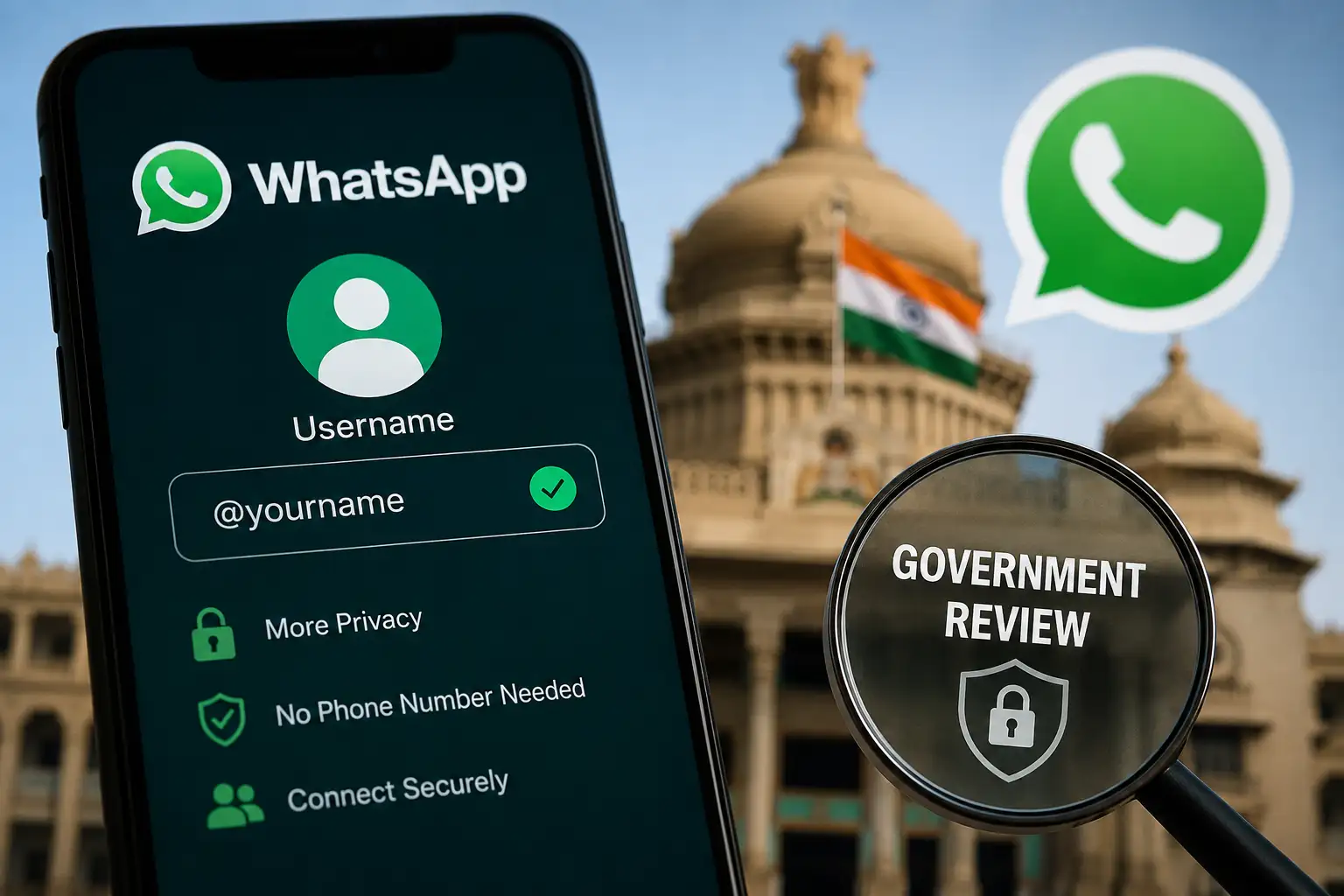
The feature is designed to let users communicate on WhatsApp without sharing their phone numbers, similar to platforms such as Telegram and Signal. While this could improve privacy by reducing the need to reveal personal contact details, Indian authorities believe it may also create new challenges for cybersecurity and digital safety .
Currently every WhatsApp account is linked to a mobile number. The purpose update will allow users to create a unique username, enabling others to contact them without knowing their phone number. The feature is expected to benefit users who interact with strangers, businesses or online communities, offering an additional layer of privacy. It can also make WhatsApp more competitive with rival messaging platforms that already offer username based communication.
The government previously asked Meta to explain how the feature would prevent misuses. Officials fear that scammers could exploit usernames to hide their identities, making phishing attempts, impersonation and so called digital arrest scams more difficult to trace.
The government had also directed Meta not to introduce the feature in India until consultations were completed and authorities were satisfied with the safeguards being proposed.
According to reports, Meta has now submitted its response, and the Centre is examining whether the company's proposed protections are sufficient before allowing the rollout.
WhatsApp has maintained that the username feature is still under development and is not yet live. The company has also assured Indian authorities that it will delay the rollout until discussions with the government are complete.
Meta says it has already planned several safeguards to reduce the risk of impersonation. High-profile usernames belonging to celebrities, government organisations, public figures and verified Meta accounts will reportedly be reserved so they cannot be claimed by someone else. The company also says it has built multiple layers of protection against scams involving usernames.
Importantly, users will still need a phone number to create and maintain a WhatsApp account. The username feature is intended only as an additional way for others to connect with them rather than replacing phone number verification altogether.
India is WhatsApp's largest market, with hundreds of millions of active users, making any platform change particularly significant. In recent years, the country has witnessed a rise in cyber fraud, fake customer-care scams, phishing links and digital arrest frauds. Regulators are therefore adopting a cautious approach toward features that could potentially be exploited by cybercriminals.
For genuine users, usernames promise greater privacy and convenience. For businesses, creators and community managers, they could simplify communication without exposing personal phone numbers. However, ensuring that these benefits do not come at the cost of user safety remains the government's primary concern.
The Ministry of Electronics and Information Technology is now reviewing Meta's detailed submission. Only after evaluating the proposed security measures will the government decide whether WhatsApp can introduce the username feature in India. Until then, the rollout remains on hold.
The outcome of these consultations could shape how future messaging features are introduced in India, balancing innovation with stronger protections against the growing threat of online fraud.
The feature is designed to let users communicate on WhatsApp without sharing their phone numbers, similar to platforms such as Telegram and Signal. While this could improve privacy by reducing the need to reveal personal contact details, Indian authorities believe it may also create new challenges for cybersecurity and digital safety .
What is WhatsApp’s Username Feature
Currently every WhatsApp account is linked to a mobile number. The purpose update will allow users to create a unique username, enabling others to contact them without knowing their phone number. The feature is expected to benefit users who interact with strangers, businesses or online communities, offering an additional layer of privacy. It can also make WhatsApp more competitive with rival messaging platforms that already offer username based communication.
Why is the government concerned?
The government previously asked Meta to explain how the feature would prevent misuses. Officials fear that scammers could exploit usernames to hide their identities, making phishing attempts, impersonation and so called digital arrest scams more difficult to trace.
The government had also directed Meta not to introduce the feature in India until consultations were completed and authorities were satisfied with the safeguards being proposed.
According to reports, Meta has now submitted its response, and the Centre is examining whether the company's proposed protections are sufficient before allowing the rollout.
You may also like
- DeepTalent Technologies launches AI-powered operating system for India's recruitment industry
- 'The world wants me to die': Bryan Johnson says people are celebrating his Autoimmune Gastritis diagnosis because he challenged death
- Samsung launches Bespoke AI washer dryer for monsoon season
- Sony LinkBuds Clip launched with up to 37 hours battery life at Rs 18,990
- Getting access to Mythos high on priority but other AI models also being utilised: IT Secy
Meta’s Assurance
WhatsApp has maintained that the username feature is still under development and is not yet live. The company has also assured Indian authorities that it will delay the rollout until discussions with the government are complete.
Meta says it has already planned several safeguards to reduce the risk of impersonation. High-profile usernames belonging to celebrities, government organisations, public figures and verified Meta accounts will reportedly be reserved so they cannot be claimed by someone else. The company also says it has built multiple layers of protection against scams involving usernames.
Importantly, users will still need a phone number to create and maintain a WhatsApp account. The username feature is intended only as an additional way for others to connect with them rather than replacing phone number verification altogether.
Why does this matter?
India is WhatsApp's largest market, with hundreds of millions of active users, making any platform change particularly significant. In recent years, the country has witnessed a rise in cyber fraud, fake customer-care scams, phishing links and digital arrest frauds. Regulators are therefore adopting a cautious approach toward features that could potentially be exploited by cybercriminals.
For genuine users, usernames promise greater privacy and convenience. For businesses, creators and community managers, they could simplify communication without exposing personal phone numbers. However, ensuring that these benefits do not come at the cost of user safety remains the government's primary concern.
What Happens Next?
The Ministry of Electronics and Information Technology is now reviewing Meta's detailed submission. Only after evaluating the proposed security measures will the government decide whether WhatsApp can introduce the username feature in India. Until then, the rollout remains on hold.
The outcome of these consultations could shape how future messaging features are introduced in India, balancing innovation with stronger protections against the growing threat of online fraud.






Loving Newspoint? Download the app now
