
Why So Many People Accidentally Share Their Location Online

Most people think location tracking only happens when they actively use maps or navigation apps. In reality, smartphones continuously collect and share location-related data through dozens of everyday services running quietly in the background.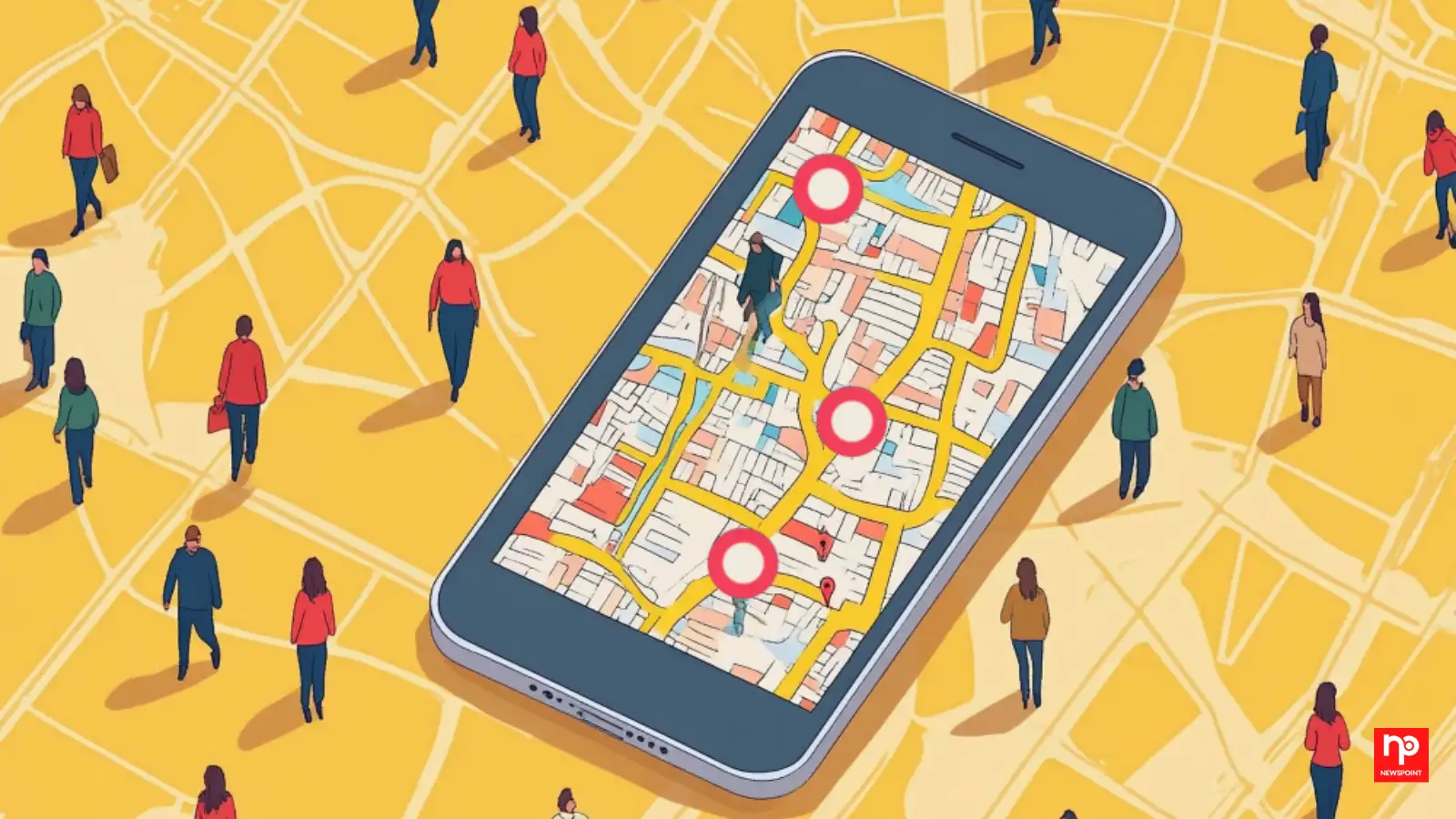
From weather updates to food delivery apps, location access has become deeply woven into modern digital life.
The problem is that many users no longer notice how often they are giving that access away.
A torch app asking for precise location data may seem harmless in the moment. But over time, multiple apps collecting movement patterns can build surprisingly detailed behavioural profiles.
Technology companies use this information for advertising, analytics, and recommendation systems. In some cases, third-party data brokers purchase and resell anonymised location information commercially.
Researchers have repeatedly shown how supposedly anonymous movement data can sometimes still identify individuals through routine patterns.
Photos uploaded online often contain hidden metadata revealing where images were taken. Public check-ins, live stories, tagged restaurants, and travel updates can unintentionally broadcast daily routines to strangers.
Some users only realise the risks after noticing targeted advertisements connected to places they recently visited.
Others discover that repeated public posting makes personal habits unusually easy to predict.
Announcing holidays in real time may reveal an empty home. Repeatedly sharing gym schedules, commuting routes, or favourite cafés can expose predictable routines.
Most people never expect ordinary social updates to become useful information for strangers, but digital visibility often accumulates gradually over time.
As a result, completely disabling location access can make some digital services frustrating to use.
The challenge today is balancing convenience against privacy rather than avoiding technology entirely.
Location tracking itself is not automatically harmful. The real issue is how invisible the process has become.
Many people still underestimate how much personal information can be revealed simply by where they go each day.
From weather updates to food delivery apps, location access has become deeply woven into modern digital life.
The problem is that many users no longer notice how often they are giving that access away.
Small Permissions Create Large Data Trails
When installing apps, people frequently approve permissions quickly without reading details carefully.A torch app asking for precise location data may seem harmless in the moment. But over time, multiple apps collecting movement patterns can build surprisingly detailed behavioural profiles.
Technology companies use this information for advertising, analytics, and recommendation systems. In some cases, third-party data brokers purchase and resell anonymised location information commercially.
Researchers have repeatedly shown how supposedly anonymous movement data can sometimes still identify individuals through routine patterns.
Social Media Makes It Even Easier
Location exposure is not limited to apps alone.Photos uploaded online often contain hidden metadata revealing where images were taken. Public check-ins, live stories, tagged restaurants, and travel updates can unintentionally broadcast daily routines to strangers.
Some users only realise the risks after noticing targeted advertisements connected to places they recently visited.
Others discover that repeated public posting makes personal habits unusually easy to predict.
Criminals Exploit Oversharing Too
Cybersecurity experts warn that publicly visible location activity can create physical security risks as well.Announcing holidays in real time may reveal an empty home. Repeatedly sharing gym schedules, commuting routes, or favourite cafés can expose predictable routines.
Most people never expect ordinary social updates to become useful information for strangers, but digital visibility often accumulates gradually over time.
Why Turning Off Tracking Is Difficult
Modern apps increasingly rely on location services for core functionality. Ride-sharing, navigation, weather forecasting, local recommendations, and delivery systems all depend heavily on accurate positioning.As a result, completely disabling location access can make some digital services frustrating to use.
The challenge today is balancing convenience against privacy rather than avoiding technology entirely.
Awareness Changes Behaviour
Simple habits can reduce unnecessary exposure significantly. Reviewing app permissions regularly, limiting precise location sharing, disabling photo metadata, and avoiding real-time public travel updates all help improve privacy.Location tracking itself is not automatically harmful. The real issue is how invisible the process has become.
Many people still underestimate how much personal information can be revealed simply by where they go each day.
Next Story