
Indian proverb of the day by Chanakya: 'A person should not be too honest. Straight trees are cut first and honest people are screwed first...' - Ancient Indian thinker gives practical advice on dealing with a ruthless world


Centuries after his death, Chanakya continues to remain one of the most discussed thinkers from ancient India. Known for his sharp understanding of politics, human nature, strategy, and leadership, the philosopher and royal advisor is still widely quoted in conversations about life and success. Also known as Kautilya and Vishnugupta, Chanakya played a major role in the rise of the Mauryan Empire and is remembered for writing the Arthashastra, one of the oldest known texts on governance and political strategy.
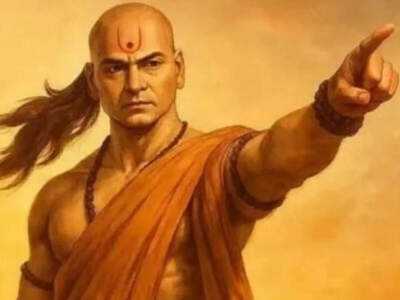
One of the most talked-about sayings associated with Chanakya is: “A person should not be too honest. Straight trees are cut first and honest people are screwed first.” The quote has remained popular for years because many people feel it reflects the harsh realities of life, work, competition, and relationships.
At first reading, the proverb may sound negative or even controversial. Some people may think it encourages dishonesty. But the deeper meaning behind the statement is more practical than immoral. Chanakya’s teachings were often based on survival, awareness, and understanding how the world actually functions rather than how people wish it functioned.
The proverb compares honest people to straight trees in a forest. Straight trees are usually the first to be chopped because they are considered useful and easy to cut. In the same way, people who are completely open, predictable, and overly trusting may become easy targets for manipulation or exploitation.
The lesson hidden inside the proverb
The saying does not directly advise people to become dishonest or deceptive. Instead, many interpretations suggest that Chanakya was warning against blind honesty without wisdom. According to this idea, honesty should exist together with caution and awareness.
In daily life, people often come across situations where revealing too much information or trusting others too quickly creates problems. This can happen in offices, businesses, politics, friendships, and even family matters. Chanakya’s proverb appears to suggest that being truthful is important, but protecting oneself is equally necessary.
The quote also highlights how competitive environments sometimes reward strategy more than innocence. People who lack awareness about others’ intentions may end up being hurt despite having good intentions themselves.
Because of this, many readers today describe the message as one about “smart honesty.” This means remaining ethical while also understanding human behavior and knowing when to stay silent or careful.
Who was Chanakya?
Chanakya lived around the 4th century BCE and is considered one of ancient India’s greatest political thinkers and strategists. Historical traditions describe him as a teacher, philosopher, economist, jurist, and advisor to Emperor Chandragupta Maurya, who founded the Mauryan Empire.
He is most famous for the Arthashastra, a detailed work covering governance, economics, diplomacy, military planning, administration, taxation, and intelligence systems. The text is still studied by people interested in political science, leadership, and management.
Chanakya is also credited with helping Chandragupta Maurya overthrow the Nanda dynasty and establish one of the largest empires in Indian history. His role as mentor and strategist became a major part of his legacy.
Stories and legends linked to his life
Most information about Chanakya comes from Buddhist, Jain, Kashmiri, and literary traditions because very few historical records from his lifetime survive today. Different texts present different versions of his life story, though many follow a similar pattern.
According to traditional accounts, Chanakya was insulted by King Dhana Nanda during a gathering attended by Brahmins. Angry after the humiliation, he reportedly decided to destroy the king’s rule. Later, he found the young Chandragupta Maurya and trained him in politics, administration, diplomacy, and warfare for several years.
Many legends describe Chanakya as extremely intelligent, practical, and sometimes ruthless in his methods. His teachings focused heavily on strategy, discipline, secrecy, and realism. Because of this practical approach to politics and power, he is often compared with Italian political thinker Niccolò Machiavelli.
Chanakya’s lasting influence
Even in modern times, Chanakya’s teachings continue to circulate widely on social media, in books, leadership discussions, and motivational talks. Many people believe his observations about power, trust, and survival still match situations seen in present-day society.
The proverb about honesty especially resonates with people dealing with workplace politics, competition, betrayal, or difficult social environments. Some readers agree strongly with the quote because they feel that being overly trusting has harmed them at some point in life.
At the same time, others believe the quote should be understood carefully and not taken as an excuse for dishonesty. Instead, they interpret it as advice to balance honesty with wisdom, caution, and emotional intelligence.
Chanakya’s influence can still be seen in literature, television shows, films, academic studies, and leadership theories. His work Arthashastra is regarded as one of the earliest detailed texts on political science and administration from ancient India.
Many scholars believe his ideas influenced governance systems, intelligence gathering, diplomacy, and statecraft during the Mauryan period.
One of the most talked-about sayings associated with Chanakya is: “A person should not be too honest. Straight trees are cut first and honest people are screwed first.” The quote has remained popular for years because many people feel it reflects the harsh realities of life, work, competition, and relationships.
At first reading, the proverb may sound negative or even controversial. Some people may think it encourages dishonesty. But the deeper meaning behind the statement is more practical than immoral. Chanakya’s teachings were often based on survival, awareness, and understanding how the world actually functions rather than how people wish it functioned.
The proverb compares honest people to straight trees in a forest. Straight trees are usually the first to be chopped because they are considered useful and easy to cut. In the same way, people who are completely open, predictable, and overly trusting may become easy targets for manipulation or exploitation.
The lesson hidden inside the proverb
The saying does not directly advise people to become dishonest or deceptive. Instead, many interpretations suggest that Chanakya was warning against blind honesty without wisdom. According to this idea, honesty should exist together with caution and awareness.
In daily life, people often come across situations where revealing too much information or trusting others too quickly creates problems. This can happen in offices, businesses, politics, friendships, and even family matters. Chanakya’s proverb appears to suggest that being truthful is important, but protecting oneself is equally necessary.
The quote also highlights how competitive environments sometimes reward strategy more than innocence. People who lack awareness about others’ intentions may end up being hurt despite having good intentions themselves.
Because of this, many readers today describe the message as one about “smart honesty.” This means remaining ethical while also understanding human behavior and knowing when to stay silent or careful.
Who was Chanakya?
Chanakya lived around the 4th century BCE and is considered one of ancient India’s greatest political thinkers and strategists. Historical traditions describe him as a teacher, philosopher, economist, jurist, and advisor to Emperor Chandragupta Maurya, who founded the Mauryan Empire.
He is most famous for the Arthashastra, a detailed work covering governance, economics, diplomacy, military planning, administration, taxation, and intelligence systems. The text is still studied by people interested in political science, leadership, and management.
Chanakya is also credited with helping Chandragupta Maurya overthrow the Nanda dynasty and establish one of the largest empires in Indian history. His role as mentor and strategist became a major part of his legacy.
Stories and legends linked to his life
Most information about Chanakya comes from Buddhist, Jain, Kashmiri, and literary traditions because very few historical records from his lifetime survive today. Different texts present different versions of his life story, though many follow a similar pattern.
According to traditional accounts, Chanakya was insulted by King Dhana Nanda during a gathering attended by Brahmins. Angry after the humiliation, he reportedly decided to destroy the king’s rule. Later, he found the young Chandragupta Maurya and trained him in politics, administration, diplomacy, and warfare for several years.
Many legends describe Chanakya as extremely intelligent, practical, and sometimes ruthless in his methods. His teachings focused heavily on strategy, discipline, secrecy, and realism. Because of this practical approach to politics and power, he is often compared with Italian political thinker Niccolò Machiavelli.
Chanakya’s lasting influence
Even in modern times, Chanakya’s teachings continue to circulate widely on social media, in books, leadership discussions, and motivational talks. Many people believe his observations about power, trust, and survival still match situations seen in present-day society.
The proverb about honesty especially resonates with people dealing with workplace politics, competition, betrayal, or difficult social environments. Some readers agree strongly with the quote because they feel that being overly trusting has harmed them at some point in life.
At the same time, others believe the quote should be understood carefully and not taken as an excuse for dishonesty. Instead, they interpret it as advice to balance honesty with wisdom, caution, and emotional intelligence.
Chanakya’s influence can still be seen in literature, television shows, films, academic studies, and leadership theories. His work Arthashastra is regarded as one of the earliest detailed texts on political science and administration from ancient India.
Many scholars believe his ideas influenced governance systems, intelligence gathering, diplomacy, and statecraft during the Mauryan period.
Next Story