
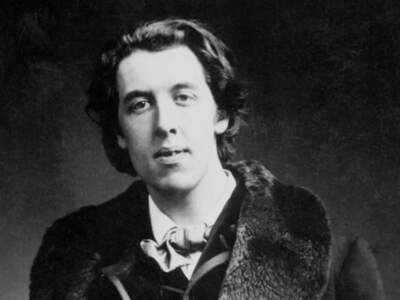
Quote of the day by Oscar Wilde: 'The one charm of marriage is that it makes a life of deception absolutely necessary for both parties...' A century-old lesson on trust, compromise, and acceptance in relationships by the Irish literary legend


The quote of the day is from Oscar Wilde, who remains one of the most discussed literary figures in history because of his sharp observations about society, relationships, and human behavior. Many of his most remembered lines continue to spark debate long after they were written. One such quote comes from The Picture of Dorian Gray, where Wilde used wit and irony to comment on the realities of human relationships. Even today, the statement invites readers to think about honesty, expectations, and the roles people play in their personal lives.
"The one charm of marriage is that it makes a life of deception absolutely necessary for both parties."
This line appears in The Picture of Dorian Gray and is spoken by Lord Henry Wotton, one of the novel's most memorable characters. Known for his provocative and often cynical views, Lord Henry frequently makes statements that challenge accepted social values. In this case, he presents marriage not as a perfect union but as an arrangement where both individuals hide parts of themselves from one another.
The quote is not necessarily meant to be taken as a literal truth about every marriage. Instead, it reflects Wilde's use of satire and irony. It suggests that many relationships survive because people avoid revealing every thought, feeling, or flaw. By exaggerating the idea, Wilde encourages readers to question social expectations surrounding marriage and consider how much honesty and performance exist within human relationships.
The famous line comes from Wilde's only novel, The Picture of Dorian Gray, first published in 1890. The quote is delivered by Lord Henry Wotton during an early conversation in the book. Throughout the novel, Lord Henry serves as a voice for many controversial and witty observations about society, morality, beauty, and relationships.
His remarks often sound humorous on the surface but carry deeper meanings underneath. The character's views are intentionally provocative, designed to make readers think rather than simply agree. Because of this, many of the novel's most famous quotations continue to be discussed more than a century later.
Oscar Wilde's early life and education
Oscar Fingal O'Flahertie Wills Wilde was born in Dublin, Ireland, in 1854. He came from a highly educated and influential family. His father, Sir William Wilde, was a respected surgeon, while his mother, Jane Wilde, was a poet and writer who published under the name "Speranza."
From an early age, Wilde showed exceptional academic ability. He studied at Trinity College Dublin, where he excelled in classical studies and won prestigious awards for his work in Greek. His academic success later earned him a scholarship to Magdalen College, Oxford.
At Oxford, Wilde developed many of the ideas that would shape his career. He became interested in aesthetics, literature, and the belief that art should be appreciated for its beauty rather than judged solely by moral standards. Influential thinkers such as John Ruskin and Walter Pater helped shape his intellectual outlook during these years.
Rise as a writer and public figure
After completing his studies, Wilde moved to London and quickly became known for his intelligence, humor, and distinctive personal style. He published his first collection, Poems, in 1881 and gained attention within literary circles.
His popularity expanded further through lecture tours in Britain and the United States. Audiences were drawn to his wit, confidence, and unconventional views on art and culture. By the 1880s, he had become one of the most recognizable public figures associated with the aesthetic movement, which promoted the idea of "art for art's sake."
Wilde married Constance Lloyd in 1884, and the couple had two sons. During this period, he also worked as an editor and continued building his literary reputation.
The success of The Picture of Dorian Gray
In 1890, Wilde published The Picture of Dorian Gray, the novel that would become one of his most famous works. The story follows a young man whose portrait ages and reflects the consequences of his actions while he himself remains youthful and outwardly unchanged.
The novel explored themes of beauty, morality, temptation, identity, and self-destruction. While many readers admired its originality and style, others criticized it for what they considered controversial content. Despite the mixed reaction, the book eventually became a classic of English literature.
The quote about marriage emerged from this work and remains one of the many memorable observations associated with Lord Henry's character.
A golden period in theatre
The 1890s marked the most successful period of Wilde's career as a playwright. He produced a series of highly successful comedies that combined humor, social satire, and memorable dialogue.
Among his best-known plays are Lady Windermere's Fan, A Woman of No Importance, An Ideal Husband, and The Importance of Being Earnest. The latter is widely regarded as one of the greatest comedies in the English language.
These works showcased Wilde's talent for exposing social hypocrisy while entertaining audiences with clever dialogue and humorous situations.
Personal struggles and downfall
Despite his professional success, Wilde's personal life became the subject of public controversy. His relationship with Lord Alfred Douglas eventually led to a series of legal battles that dramatically changed his life.
In 1895, Wilde sued the Marquess of Queensberry, Douglas's father, for libel. The case backfired and resulted in Wilde facing criminal charges related to homosexuality, which was illegal in Britain at the time.
He was convicted and sentenced to two years of hard labor. The imprisonment damaged his health, finances, and career. During and after this difficult period, Wilde produced some of his most personal writing, including De Profundis and later The Ballad of Reading Gaol.
After his release from prison, Wilde spent his remaining years in Europe, living largely in exile. He died in Paris in 1900 at the age of 46.
Yet his influence never disappeared. Today, Oscar Wilde is remembered not only for his plays, novel, poems, essays, and fairy tales but also for the remarkable wit that filled his writing. His observations on society often blended humor with criticism, allowing readers to see familiar subjects from unexpected angles.
"The one charm of marriage is that it makes a life of deception absolutely necessary for both parties."
This line appears in The Picture of Dorian Gray and is spoken by Lord Henry Wotton, one of the novel's most memorable characters. Known for his provocative and often cynical views, Lord Henry frequently makes statements that challenge accepted social values. In this case, he presents marriage not as a perfect union but as an arrangement where both individuals hide parts of themselves from one another.
The quote is not necessarily meant to be taken as a literal truth about every marriage. Instead, it reflects Wilde's use of satire and irony. It suggests that many relationships survive because people avoid revealing every thought, feeling, or flaw. By exaggerating the idea, Wilde encourages readers to question social expectations surrounding marriage and consider how much honesty and performance exist within human relationships.
The famous line comes from Wilde's only novel, The Picture of Dorian Gray, first published in 1890. The quote is delivered by Lord Henry Wotton during an early conversation in the book. Throughout the novel, Lord Henry serves as a voice for many controversial and witty observations about society, morality, beauty, and relationships.
His remarks often sound humorous on the surface but carry deeper meanings underneath. The character's views are intentionally provocative, designed to make readers think rather than simply agree. Because of this, many of the novel's most famous quotations continue to be discussed more than a century later.
Oscar Wilde's early life and education
Oscar Fingal O'Flahertie Wills Wilde was born in Dublin, Ireland, in 1854. He came from a highly educated and influential family. His father, Sir William Wilde, was a respected surgeon, while his mother, Jane Wilde, was a poet and writer who published under the name "Speranza."
From an early age, Wilde showed exceptional academic ability. He studied at Trinity College Dublin, where he excelled in classical studies and won prestigious awards for his work in Greek. His academic success later earned him a scholarship to Magdalen College, Oxford.
At Oxford, Wilde developed many of the ideas that would shape his career. He became interested in aesthetics, literature, and the belief that art should be appreciated for its beauty rather than judged solely by moral standards. Influential thinkers such as John Ruskin and Walter Pater helped shape his intellectual outlook during these years.
Rise as a writer and public figure
His popularity expanded further through lecture tours in Britain and the United States. Audiences were drawn to his wit, confidence, and unconventional views on art and culture. By the 1880s, he had become one of the most recognizable public figures associated with the aesthetic movement, which promoted the idea of "art for art's sake."
Wilde married Constance Lloyd in 1884, and the couple had two sons. During this period, he also worked as an editor and continued building his literary reputation.
The success of The Picture of Dorian Gray
In 1890, Wilde published The Picture of Dorian Gray, the novel that would become one of his most famous works. The story follows a young man whose portrait ages and reflects the consequences of his actions while he himself remains youthful and outwardly unchanged.
The novel explored themes of beauty, morality, temptation, identity, and self-destruction. While many readers admired its originality and style, others criticized it for what they considered controversial content. Despite the mixed reaction, the book eventually became a classic of English literature.
The quote about marriage emerged from this work and remains one of the many memorable observations associated with Lord Henry's character.
A golden period in theatre
The 1890s marked the most successful period of Wilde's career as a playwright. He produced a series of highly successful comedies that combined humor, social satire, and memorable dialogue.
Among his best-known plays are Lady Windermere's Fan, A Woman of No Importance, An Ideal Husband, and The Importance of Being Earnest. The latter is widely regarded as one of the greatest comedies in the English language.
These works showcased Wilde's talent for exposing social hypocrisy while entertaining audiences with clever dialogue and humorous situations.
Personal struggles and downfall
Despite his professional success, Wilde's personal life became the subject of public controversy. His relationship with Lord Alfred Douglas eventually led to a series of legal battles that dramatically changed his life.
In 1895, Wilde sued the Marquess of Queensberry, Douglas's father, for libel. The case backfired and resulted in Wilde facing criminal charges related to homosexuality, which was illegal in Britain at the time.
He was convicted and sentenced to two years of hard labor. The imprisonment damaged his health, finances, and career. During and after this difficult period, Wilde produced some of his most personal writing, including De Profundis and later The Ballad of Reading Gaol.
After his release from prison, Wilde spent his remaining years in Europe, living largely in exile. He died in Paris in 1900 at the age of 46.
Yet his influence never disappeared. Today, Oscar Wilde is remembered not only for his plays, novel, poems, essays, and fairy tales but also for the remarkable wit that filled his writing. His observations on society often blended humor with criticism, allowing readers to see familiar subjects from unexpected angles.
Next Story