
UK Prime Minister Keir Starmer Steps Down Amid Rising Labour Party Crisis: What Led To His Downfall

Keir Starmer announced his resignation as UK Prime Minister amid growing unrest within the Labour Party. This was caused due to the increasing criticism from party members and a declining public support. His resignation marks a dramatic turn for a leader who guided the Labour Party back to power after years in opposition. Starmer's departure also continues the recent trend of UK prime ministers leaving office after relatively short periods in power.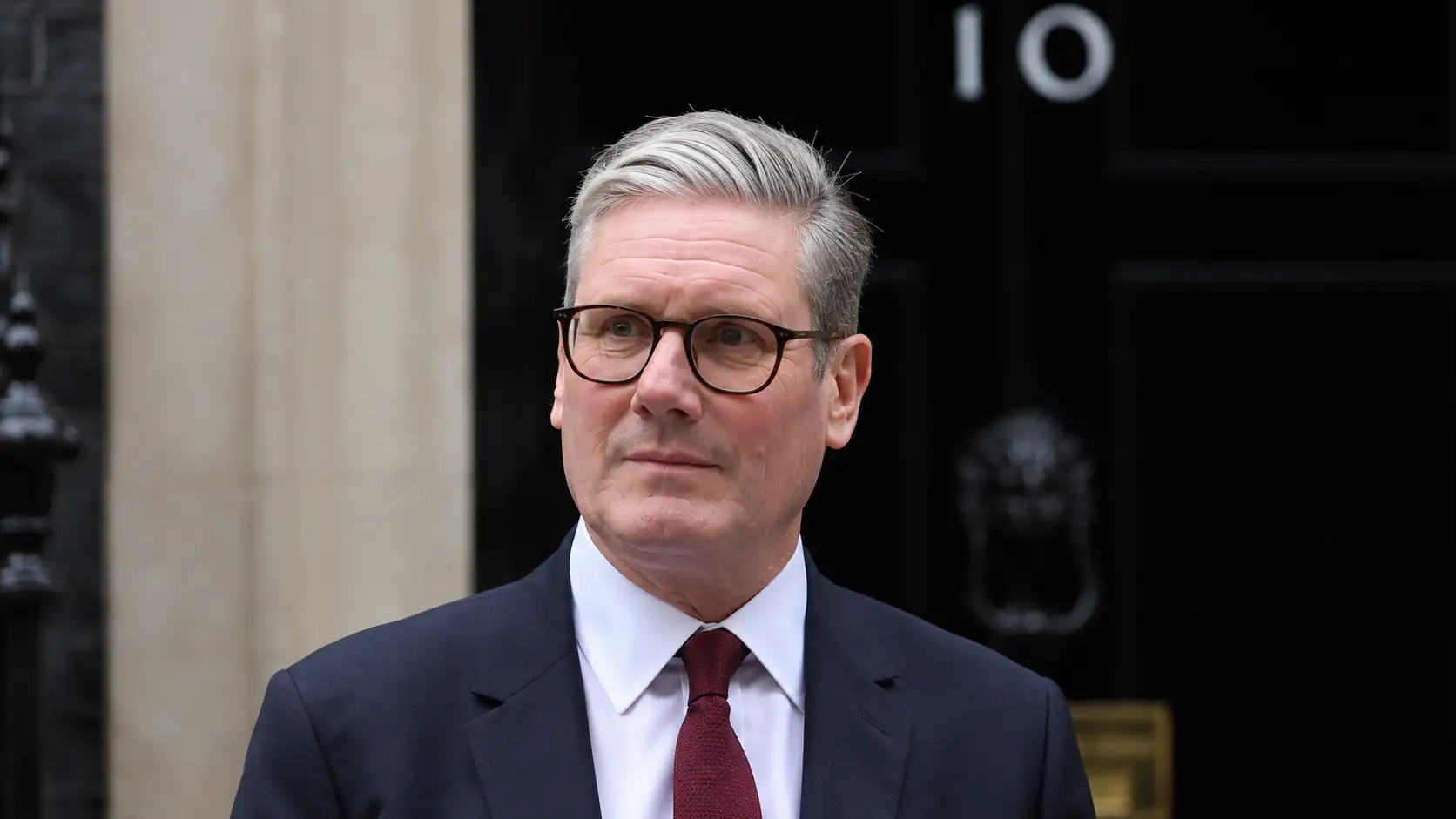
Who Is Keir Starmer?
Keir Starmer is a former human rights lawyer and Director of Public Prosecutions who later became the leader of the Labour Party in 2020 following the resignation of Jeremy Corbyn. His political strategy and leadership helped the Labour Party secure a decisive victory in the 2024 UK General Election, promising economic stability, public service reforms, and a fresh start after years of Conservative rule.
1. Internal Labour Party Pressure
Growing unease within the Labour Party reportedly played a key role in the pressure on Keir Starmer. Concerns over the party’s electoral performance led some lawmakers to question the current leadership, with reports suggesting that many believed a change at the top could improve the party's prospects in the future elections.
2. Rise of Andy Burnham
Andy Burnham has emerged as a potential challenger as his recent political successes have boosted his profile within the Labour Party. He is viewed by many party members as a charismatic figure capable of reconnecting with voters.
1. Falling approval ratings
Voters have expressed frustration over economic challenges and the pace of government reforms, which has led to a significant decline in Starmer’s approval ratings. Critics also argue that the Labour Party has struggled to maintain the momentum it enjoyed after winning the elections.
2. Cost-of-Living Concerns
Inflation, rising housing costs, and pressure on public services remain key concerns for British households. The opposition has used these issues to criticize the government’s performance, arguing that the Labour Party lacked the ability to provide improvements quickly enough.
1. Local Election Results
The Labour Party’s performance in the recent local elections has raised concerns, as the party reportedly lost support in several key areas. Gains made by several smaller parties have highlighted voter dissatisfaction.
2. Competition From Rivals
The Labour Party is facing challenges from multiple directions, such as:
a. The Green Party has attracted voters who are unhappy with the Labour Party’s reforms and policies.
b. Reform UK has continued to appeal to voters seeking alternatives to mainstream parties.
1. Policy U-Turns
Critics accuse Starmer’s government of reversing positions on several key issues, fuelling perceptions of inconsistency and weakening the public trust.
2. Questions Over Government Direction
Members of the Labour Party believe that the government lacks a clear goal and a long-term vision, raising concerns about decision-making and communication strategies.
After Starmer resigns, the Labour Party will have to choose a new leader from among potential contenders, including Andy Burnham and other senior cabinet figures. This contest could reshape the party's political agenda and electoral strategy. The transition would be closely watched both in the UK and internationally.
Keir Starmer remains the prime minister for now, but uncertainty about his future continues to grow, as a resignation would create significant political instability and alter the balance of power.
Who Is Keir Starmer?
Keir Starmer is a former human rights lawyer and Director of Public Prosecutions who later became the leader of the Labour Party in 2020 following the resignation of Jeremy Corbyn. His political strategy and leadership helped the Labour Party secure a decisive victory in the 2024 UK General Election, promising economic stability, public service reforms, and a fresh start after years of Conservative rule.
Political Challenges Behind Starmer’s Resignation
1. Internal Labour Party Pressure
Growing unease within the Labour Party reportedly played a key role in the pressure on Keir Starmer. Concerns over the party’s electoral performance led some lawmakers to question the current leadership, with reports suggesting that many believed a change at the top could improve the party's prospects in the future elections.
2. Rise of Andy Burnham
Andy Burnham has emerged as a potential challenger as his recent political successes have boosted his profile within the Labour Party. He is viewed by many party members as a charismatic figure capable of reconnecting with voters.
Declining Popularity Among Voters
1. Falling approval ratings
Voters have expressed frustration over economic challenges and the pace of government reforms, which has led to a significant decline in Starmer’s approval ratings. Critics also argue that the Labour Party has struggled to maintain the momentum it enjoyed after winning the elections.
2. Cost-of-Living Concerns
Inflation, rising housing costs, and pressure on public services remain key concerns for British households. The opposition has used these issues to criticize the government’s performance, arguing that the Labour Party lacked the ability to provide improvements quickly enough.
Electoral Setbacks
1. Local Election Results
The Labour Party’s performance in the recent local elections has raised concerns, as the party reportedly lost support in several key areas. Gains made by several smaller parties have highlighted voter dissatisfaction.
2. Competition From Rivals
The Labour Party is facing challenges from multiple directions, such as:
a. The Green Party has attracted voters who are unhappy with the Labour Party’s reforms and policies.
b. Reform UK has continued to appeal to voters seeking alternatives to mainstream parties.
Leadership and Policy Criticism
1. Policy U-Turns
Critics accuse Starmer’s government of reversing positions on several key issues, fuelling perceptions of inconsistency and weakening the public trust.
2. Questions Over Government Direction
Members of the Labour Party believe that the government lacks a clear goal and a long-term vision, raising concerns about decision-making and communication strategies.
What Happens after Starmer Resigns?
After Starmer resigns, the Labour Party will have to choose a new leader from among potential contenders, including Andy Burnham and other senior cabinet figures. This contest could reshape the party's political agenda and electoral strategy. The transition would be closely watched both in the UK and internationally.
Keir Starmer remains the prime minister for now, but uncertainty about his future continues to grow, as a resignation would create significant political instability and alter the balance of power.






More from our partners


Loving Newspoint? Download the app now
