
Why Pineapples Take Years to Produce a Single Fruit: The Slow Journey Behind a Tropical Favourite

Pineapples are known for their sweet taste, tropical appearance, and refreshing flavour, but there is something surprising about the journey behind every fruit. Unlike many fruits that grow within a single season, a pineapple can take several years before it is ready to harvest. What makes this fruit so slow? The answer lies in its unusual growth pattern, complex plant structure, and the way it stores energy before producing a single golden fruit. Behind every pineapple on a supermarket shelf is a long process involving careful farming, patience, and natural timing that many people never notice.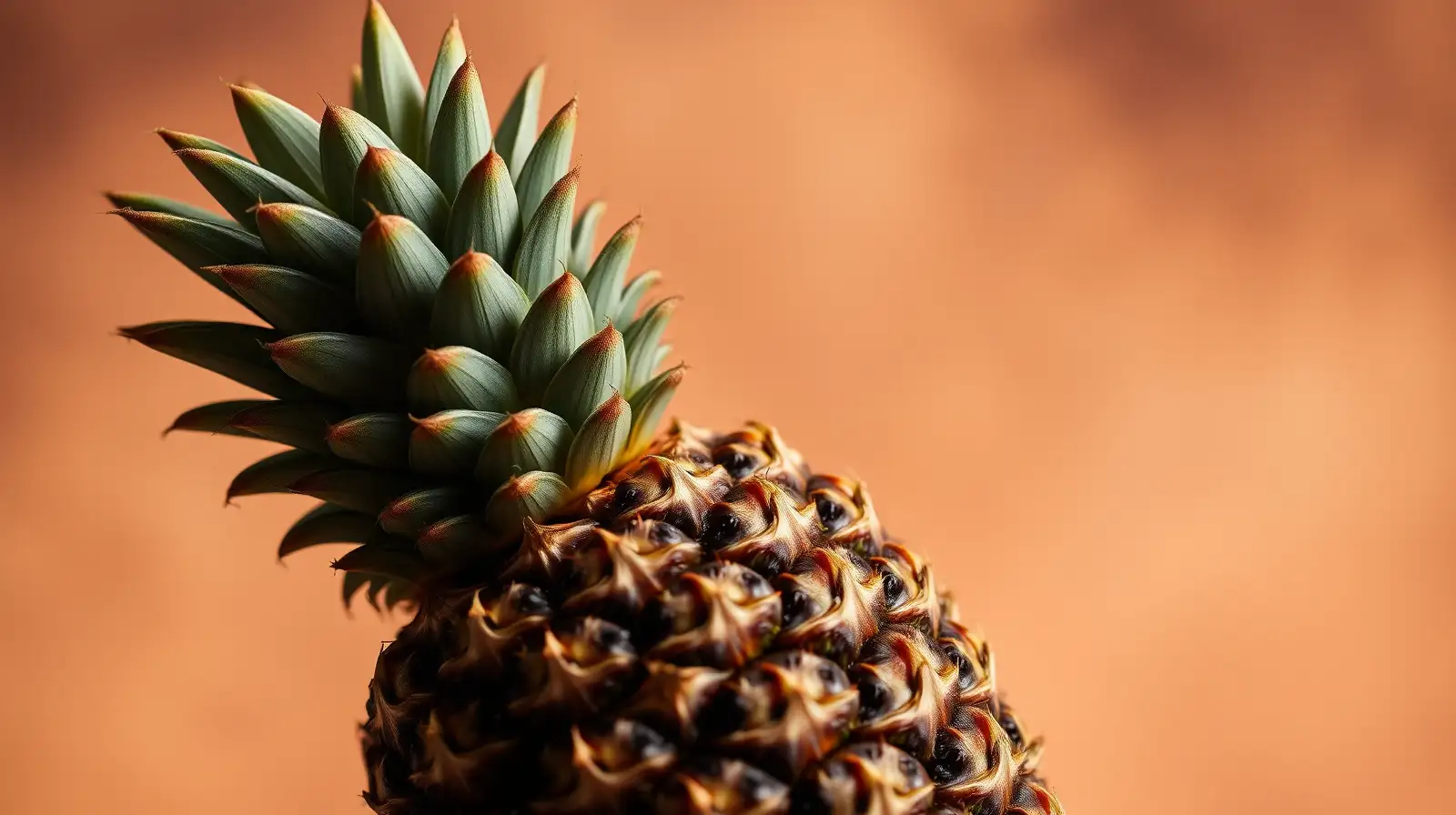
The fruit itself is actually made from many smaller flowers that join together. Each small section visible on the outside of a pineapple represents a separate flower that developed and fused with others to create the final fruit.
Depending on the variety and growing conditions, it can take around two to three years, sometimes longer, for a pineapple plant to produce its first fruit. After harvesting, farmers may wait another cycle before the plant produces again.
These new plants require time to establish strong roots before they can begin the process of producing fruit. This method helps maintain consistent quality but adds to the long waiting period.
Countries such as Costa Rica and Philippines are among the major pineapple producers, supplying fresh fruit to global markets.
The next time you cut open a pineapple, remember that its journey began years earlier. From a small plant growing under the sun to the sweet fruit on your plate, every pineapple represents a slow but remarkable process of nature, farming, and time.
Why Pineapples Take Years to Produce a Single Fruit
A Pineapple Is Not a Typical Fruit
The first surprising fact about pineapples is that they do not grow like apples, mangoes, or oranges. A pineapple plant produces only one main fruit from the centre of the plant during each growth cycle.The fruit itself is actually made from many smaller flowers that join together. Each small section visible on the outside of a pineapple represents a separate flower that developed and fused with others to create the final fruit.
The Plant Needs Years to Build Enough Energy
A pineapple plant spends much of its early life growing leaves and storing energy. Unlike fast-growing fruit plants, pineapples use their long, tough leaves to collect sunlight and build the resources needed for fruit production.Depending on the variety and growing conditions, it can take around two to three years, sometimes longer, for a pineapple plant to produce its first fruit. After harvesting, farmers may wait another cycle before the plant produces again.
Pineapples Have a Unique Growing Method
Another reason pineapples take so long is that they are usually grown from parts of existing plants rather than seeds. Farmers commonly use the leafy top of a pineapple, called the crown, or small shoots from the plant’s base.These new plants require time to establish strong roots before they can begin the process of producing fruit. This method helps maintain consistent quality but adds to the long waiting period.
The Role of Climate and Farming Conditions
Pineapples naturally grow best in warm tropical and subtropical regions. They need plenty of sunlight, moderate rainfall, and well-drained soil. Changes in temperature, water availability, and farming conditions can influence how quickly the plant develops.Countries such as Costa Rica and Philippines are among the major pineapple producers, supplying fresh fruit to global markets.
Why Pineapple Production Matters Today
The long growing process makes pineapples an excellent example of the connection between agriculture and patience. Farmers must carefully manage land, resources, and timing to produce a fruit that people often consume within minutes.The next time you cut open a pineapple, remember that its journey began years earlier. From a small plant growing under the sun to the sweet fruit on your plate, every pineapple represents a slow but remarkable process of nature, farming, and time.






More from our partners


Loving Newspoint? Download the app now
