
5 Titanic Facts That Historians Agree On

The Titanic story has been retold so many times that the real event sits somewhere beneath the films, the novels, and the anniversary features. What historians actually agree on is a narrower, stranger, and more instructive set of facts than the popular version suggests.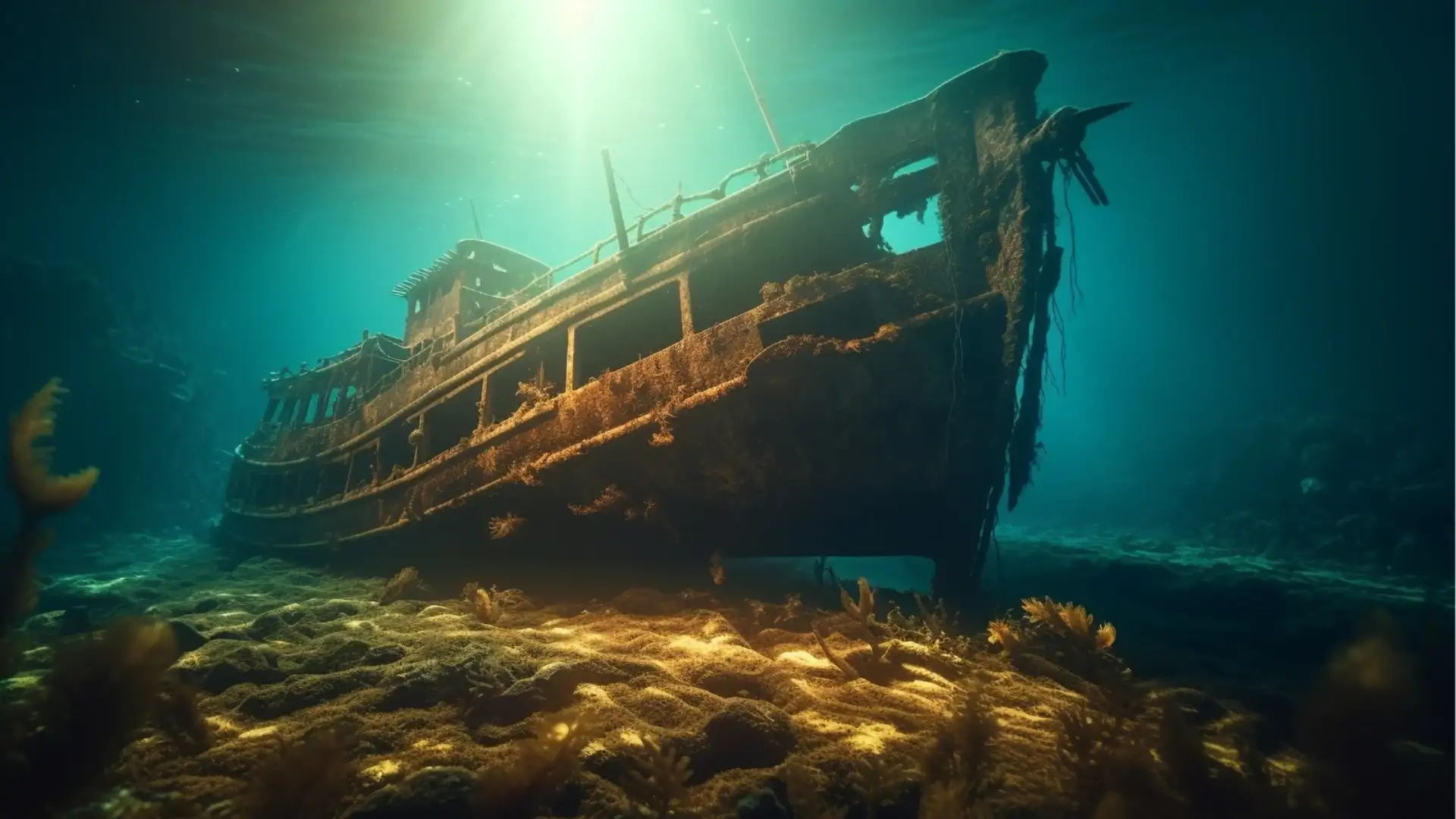
The Ship Was Warned About Ice Repeatedly
On 14 April 1912, the Titanic received at least six wireless messages from other vessels warning of ice in the North Atlantic. The final warning, from the Californian, came roughly an hour before the ship struck the berg. The warnings were logged. The ship did not slow down. Historians do not dispute any of this, the messages survive, and the testimony of wireless operator Harold Bride confirmed the sequence. The question of why the speed was maintained has never been settled to everyone's satisfaction, but the warnings themselves are not in doubt.The Collision Opened the Hull Along Six Compartments
The Titanic was designed to float with any four of its sixteen watertight compartments flooded. The iceberg opened five or six. That difference, one or two compartments beyond what the ship could handle, sealed its fate within minutes of the strike. The ship's designer, Thomas Andrews, was aboard. Survivor accounts record him telling passengers the ship would sink within two hours. He had calculated it almost exactly right. The wreck, discovered by Robert Ballard in 1985, confirmed the hull damage ran along the starboard side and was not, as once assumed, a single long gash but a series of buckled seams and small punctures.There Were Not Enough Lifeboats for Everyone Aboard
The Titanic carried 20 lifeboats with a combined capacity of 1,178 people. There were approximately 2,224 people on board. Even if every lifeboat had left full, which most did not, more than a thousand people would have had no place in one. The lifeboats met British Board of Trade regulations of the time, which were based on ship tonnage rather than passenger count and had not been updated since 1894. The Titanic actually exceeded the legal requirement. Historians note this not to excuse the outcome but to explain why the shortage was not considered a scandal before the sinking.Most Deaths Were Caused by Hypothermia, Not Drowning
The North Atlantic that night was approximately minus two degrees Celsius. Survival time in water that cold is measured in minutes, not hours. The lifeboats returned to the debris field roughly an hour after the ship went under. Survivor testimony and later forensic analysis agree that the vast majority of the 1,500 or so who died were already dead from cold exposure before any rescue was possible. This is why the Carpathia, which arrived at around 4 a.m., found lifeboats but not swimmers.The Ship Broke in Two Before It Sank
For decades after the disaster, the official account held that the Titanic sank in one piece. Survivors who described the ship splitting apart were treated as unreliable witnesses, the shock, the dark, the chaos. When Ballard's team found the wreck in 1985, the bow and stern were lying nearly 600 metres apart on the ocean floor. The ship had broken at the surface, roughly between the third and fourth funnels, as the stern rose out of the water. The survivors who said so had been right all along. The two sections of the wreck have since been mapped in detail, and the break point matches the area of greatest structural stress as the ship's angle increased.Next Story