
A US firm hauled up hundreds of thousands of gold and silver coins from a sunken Spanish frigate, then Spain fought through the courts and won back the estimated $500-million haul


A notable judgment that influenced the protection of underwater cultural heritage initially began as one of the largest treasure recoveries in modern history. In 2007, the Florida-based salvage company Odyssey Marine Exploration secretly recovered around 500,000 gold and silver coins from a shipwreck in the Atlantic Ocean under the codename Black Swan. Interestingly, the haul, which was estimated to be around $500 million, was originally presented without revealing the wreck’s identity. According to Spain’s Ministry of Culture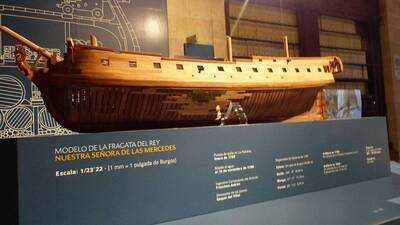 , subsequent investigations established that the treasure came from Nuestra Señora de las Mercedes , a Spanish Navy frigate which sank in 1804. Following the investigation, Spain launched an international legal challenge, arguing that the wreck remained a sovereign warship protected under international law, a claim that was ultimately upheld by the U.S. courts.
The naval tragedy that reshaped history
According to the National Museum of Underwater Archaeology (ARQUA), Nuestra Señora de las Mercedes was built in Havana in 1786 and was part of a convoy on a commercial route between Spain and its overseas American territories. According to El País, in October 1804, the frigate carrying silver and gold coins, commercial goods and passengers back to Spain was attacked by a British squadron near Portugal. It is worth noting that the attack came while Britain and Spain were not formally at war. Historians say a cannon shot detonated the ship’s powder magazine, causing a catastrophic explosion that sank the vessel with Spanish passengers aboard. Notably, historians regard the attack as one of the events that pushed Spain into the Napoleonic Wars against the British.
Nuestra Señora de las Mercedes' recovery triggered an international legal battle
More than two centuries later, Odyssey Marine Exploration recovered the wreck using remotely operated underwater vehicles and transported the recovered fortune to the United States. According to Spain’s Ministry of Culture, the company announced the discovery in 2007 but did not reveal the ship’s name or exact location. Spain then filed suit in U.S. federal courts, arguing that Nuestra Señora de las Mercedes was a sovereign-immune military vessel whose remains and cargo could not be legally salvaged for commercial purposes. The legal dispute drew international attention as it tested whether historic naval wrecks should be treated as archaeological heritage rather than treasure.
The naval tragedy that reshaped history
According to the National Museum of Underwater Archaeology (ARQUA), Nuestra Señora de las Mercedes was built in Havana in 1786 and was part of a convoy on a commercial route between Spain and its overseas American territories. According to El País, in October 1804, the frigate carrying silver and gold coins, commercial goods and passengers back to Spain was attacked by a British squadron near Portugal. It is worth noting that the attack came while Britain and Spain were not formally at war. Historians say a cannon shot detonated the ship’s powder magazine, causing a catastrophic explosion that sank the vessel with Spanish passengers aboard. Notably, historians regard the attack as one of the events that pushed Spain into the Napoleonic Wars against the British.
Nuestra Señora de las Mercedes' recovery triggered an international legal battle
More than two centuries later, Odyssey Marine Exploration recovered the wreck using remotely operated underwater vehicles and transported the recovered fortune to the United States. According to Spain’s Ministry of Culture, the company announced the discovery in 2007 but did not reveal the ship’s name or exact location. Spain then filed suit in U.S. federal courts, arguing that Nuestra Señora de las Mercedes was a sovereign-immune military vessel whose remains and cargo could not be legally salvaged for commercial purposes. The legal dispute drew international attention as it tested whether historic naval wrecks should be treated as archaeological heritage rather than treasure.
Next Story