
Australia's 5,600-kilometre dingo fence was built to protect sheep, but after more than a century, researchers found the predator barrier had transformed entire ecosystems on opposite sides of the fence


The vast arid wilderness of the Australian outback is often perceived as a landscape of red earth and low-growing vegetation. Human activity can divide the natural landscape and trigger an unforeseen chain reaction. This simple wire fence cuts through the landscape and creates two very distinct environments.
Originally erected during the early 20th century, this monumental structure was designed with a single, highly focused objective. Pastoralists desperately needed to shield their lucrative sheep flocks from the continent's apex predator, the dingo. By linking together older barriers, the government successfully established an enormous exclusion zone that drove the wild canines out of the fertile southeastern grazing lands.
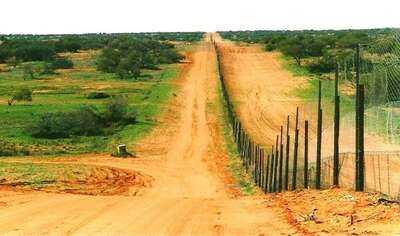
However, this agricultural success has also created major environmental differences over the past century. One of the investigations, conducted by the Australian Broadcasting Corporation, found that the fence has had major ecological effects on both sides of the barrier. The study suggests that the dingo barrier has affected mammal numbers and desert soil.
The dramatic biological changes seen from the sky
The changes are large enough to be visible from space. One of the most innovative studies, published by The Guardian, used the data obtained with NASA satellites for 30 years. The results were striking. The difference in vegetation growth on both sides of the fence is so evident that its course can be identified from the orbit of our planet.
This contrast is consistent with a trophic cascade. On the side of the barrier where dingoes roam freely, they naturally regulate large herbivores, keeping populations of native kangaroos and introduced pests in check. This predatory pressure can help vegetation persist, with grasses and shrubs helping stabilise desert dunes.
On the other hand, on the protected side within the fence, the absence of the apex predator has allowed kangaroo numbers to increase. With nothing to control them, they graze the area to the extent of causing severe overgrazing. They remove protective plant cover, leaving sand formations more exposed to wind erosion.
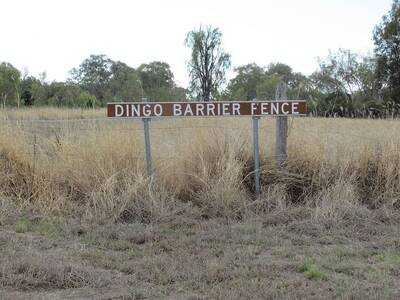
A hidden haven for small native animals
This is where the disappearance of the apex predator has the clearest effect, changing relationships among smaller animals in the ecosystem. In the areas where the apex predator has been removed, small invasive predators such as the feral cat and the red fox become dominant and thrive.
The loss of vegetation cover further compounds this hunting crisis, leaving small, vulnerable marsupials and desert rodents completely exposed with nowhere to hide. Consequently, biodiversity inside the dingo-free zone has declined, and some local species may be under greater pressure.
Originally erected during the early 20th century, this monumental structure was designed with a single, highly focused objective. Pastoralists desperately needed to shield their lucrative sheep flocks from the continent's apex predator, the dingo. By linking together older barriers, the government successfully established an enormous exclusion zone that drove the wild canines out of the fertile southeastern grazing lands.
However, this agricultural success has also created major environmental differences over the past century. One of the investigations, conducted by the Australian Broadcasting Corporation, found that the fence has had major ecological effects on both sides of the barrier. The study suggests that the dingo barrier has affected mammal numbers and desert soil.
The dramatic biological changes seen from the sky
The changes are large enough to be visible from space. One of the most innovative studies, published by The Guardian, used the data obtained with NASA satellites for 30 years. The results were striking. The difference in vegetation growth on both sides of the fence is so evident that its course can be identified from the orbit of our planet.
This contrast is consistent with a trophic cascade. On the side of the barrier where dingoes roam freely, they naturally regulate large herbivores, keeping populations of native kangaroos and introduced pests in check. This predatory pressure can help vegetation persist, with grasses and shrubs helping stabilise desert dunes.
On the other hand, on the protected side within the fence, the absence of the apex predator has allowed kangaroo numbers to increase. With nothing to control them, they graze the area to the extent of causing severe overgrazing. They remove protective plant cover, leaving sand formations more exposed to wind erosion.
A hidden haven for small native animals
This is where the disappearance of the apex predator has the clearest effect, changing relationships among smaller animals in the ecosystem. In the areas where the apex predator has been removed, small invasive predators such as the feral cat and the red fox become dominant and thrive.
The loss of vegetation cover further compounds this hunting crisis, leaving small, vulnerable marsupials and desert rodents completely exposed with nowhere to hide. Consequently, biodiversity inside the dingo-free zone has declined, and some local species may be under greater pressure.
Next Story