
Declared dead in 1969 and once so polluted it caught fire, Toronto's Don River is roaring back: Atlantic salmon and 20 fish species have returned


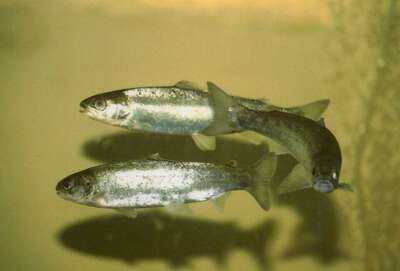
More than fifty years after environmentalists organised a mock funeral for Toronto’s Don River, declaring it “dead,” the river has made a remarkable comeback from its previously degraded state. According to the Toronto and Region Conservation Authority (TRCA), a 2025 survey found more than 20 fish species in the restored Don River mouth and nearby wetlands. One of the most notable findings was an Atlantic salmon recorded in the project area for the first time since 2012, along with the first emerald bowfin observed upstream of Lake Shore Boulevard in the Don River system.
From industrial dumping ground to a ‘dead’ river
The Don River is not always a source of hope. The Don River flows through Toronto before emptying into Lake Ontario. It has been extensively modified throughout the 19th and 20th centuries as a result of industrial development in the city. Factories like tanneries, distilleries, slaughterhouses, and many others have been dumping their waste into the river, which was additionally polluted with untreated sewage. As historians and environmental records note, the contamination reached such levels that parts of the river sometimes caught fire from flammable materials floating on the surface.
In 1969, public protests against the state of the river led to an organised “funeral march”, declaring the Don River to be officially dead. The action drew public attention to years of pollution and underscored the need to restore the river. Historian Jennifer Bonnell of York University documents the river’s decline in her book Reclaiming the Don, and The Guardian has also reported on the river’s recovery.
The wildlife is coming back to the rehabilitated areas
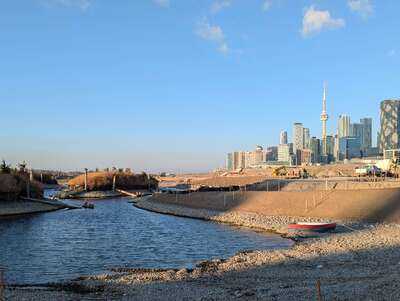
According to the TRCA, aquatic plants have taken root in the newly created wetlands, giving fish and other organisms a habitat. To assess how fish use the rehabilitated river mouth, scientists used boat electrofishing, minnow traps, underwater camera surveys, and acoustic receivers. Nine fish species were found in the new wetlands, while 14 were identified through boat electrofishing surveys. Overall, the monitoring program managed to identify over 20 fish species in the rehabilitated area.
The presence of Atlantic salmon is especially significant because the species is often considered an indicator of river health. TRCA also highlighted the appearance of the emerald shiner upstream of Lake Shore Boulevard as another significant ecological event.
Years of work have started to pay off
The rehabilitation came as a result of many years of efforts made by local volunteers, governmental organisations, and environmental groups. A major restoration project was the naturalization of the Don River mouth, led by Waterfront Toronto. The project created wetlands, restored natural riverbeds, improved wildlife habitat, and reduced flood risk in Toronto’s Port Lands.
From industrial dumping ground to a ‘dead’ river
The Don River is not always a source of hope. The Don River flows through Toronto before emptying into Lake Ontario. It has been extensively modified throughout the 19th and 20th centuries as a result of industrial development in the city. Factories like tanneries, distilleries, slaughterhouses, and many others have been dumping their waste into the river, which was additionally polluted with untreated sewage. As historians and environmental records note, the contamination reached such levels that parts of the river sometimes caught fire from flammable materials floating on the surface.
In 1969, public protests against the state of the river led to an organised “funeral march”, declaring the Don River to be officially dead. The action drew public attention to years of pollution and underscored the need to restore the river. Historian Jennifer Bonnell of York University documents the river’s decline in her book Reclaiming the Don, and The Guardian
The wildlife is coming back to the rehabilitated areas
According to the TRCA, aquatic plants have taken root in the newly created wetlands, giving fish and other organisms a habitat. To assess how fish use the rehabilitated river mouth, scientists used boat electrofishing, minnow traps, underwater camera surveys, and acoustic receivers. Nine fish species were found in the new wetlands, while 14 were identified through boat electrofishing surveys. Overall, the monitoring program managed to identify over 20 fish species in the rehabilitated area.
The presence of Atlantic salmon is especially significant because the species is often considered an indicator of river health. TRCA also highlighted the appearance of the emerald shiner upstream of Lake Shore Boulevard as another significant ecological event.
Years of work have started to pay off
The rehabilitation came as a result of many years of efforts made by local volunteers, governmental organisations, and environmental groups. A major restoration project was the naturalization of the Don River mouth, led by Waterfront Toronto. The project created wetlands, restored natural riverbeds, improved wildlife habitat, and reduced flood risk in Toronto’s Port Lands.
Next Story