
10 Everyday Objects That Were Inspired by Space Technology You Use Without Realising

When people think about space technology, they often imagine rockets launching into orbit, astronauts exploring distant worlds, or powerful telescopes studying galaxies. However, the impact of space exploration reaches far beyond the boundaries of Earth . Many technologies originally developed to help astronauts survive in extreme environments have eventually found their way into everyday life. From the materials used in household products to medical devices and safety equipment, space research has quietly transformed the modern world. Some of these inventions are so common that most people use them every day without knowing they have a connection to space exploration.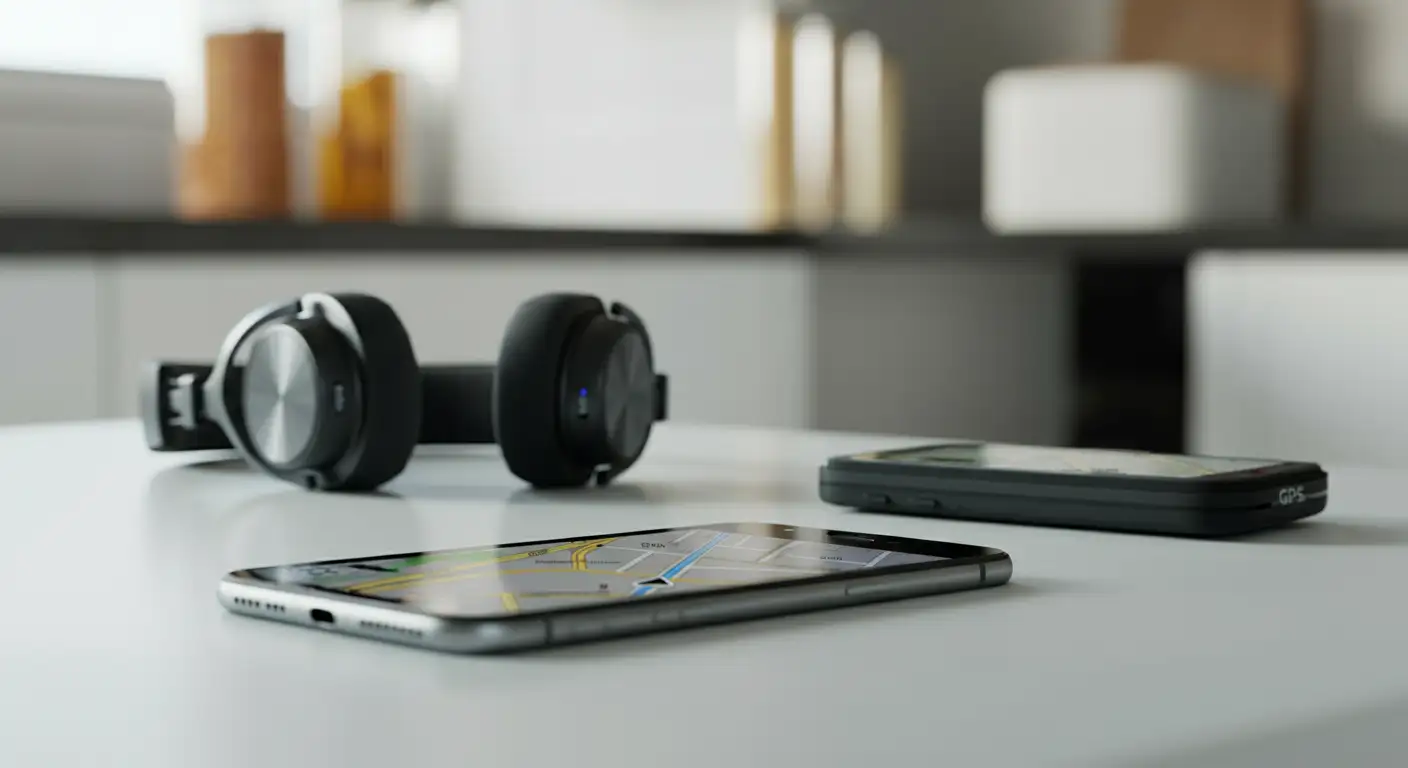
The foam could absorb pressure and distribute weight evenly, helping astronauts remain comfortable during long periods of travel. Later, the technology became available for commercial products, including mattresses, pillows, wheelchair cushions , and sports equipment.
Today, millions of people sleep on memory foam mattresses without realising that the technology has roots in space research.
These developments contributed to improved scratch-resistant coatings used on everyday eyewear.
For people who wear glasses, this technology means lenses can survive daily wear and tear more effectively while remaining lightweight.
The need for efficient communication systems influenced the development of technologies that later contributed to modern wireless headsets and hands-free communication devices.
Today, wireless earphones and professional communication equipment benefit from decades of research into compact and reliable communication systems.
Some of these ideas have influenced water purification systems used on Earth, especially in remote locations where access to clean water is limited.
Portable water filters and advanced purification methods help communities, travellers, and emergency teams obtain safer drinking water.
The development of improved digital imaging technologies helped create smaller and more powerful camera systems.
Today, the high-quality photographs taken on smartphones are possible because of decades of progress in digital imaging.
This innovation influenced cordless tools used by builders, engineers, and homeowners.
Battery-powered drills and other portable tools have made many everyday tasks easier and more convenient.
Research into heat-resistant and flame-resistant materials contributed to improvements in protective clothing and safety equipment used by firefighters, industrial workers, and emergency responders.
These technologies help protect people working in environments where heat and fire risks are present.
The demand for efficient solar cells encouraged advances in solar technology, helping make renewable energy more practical on Earth.
Today, solar panels are used on homes, buildings, and large energy projects worldwide.
Modern orthodontic solutions use advanced materials designed for strength, flexibility, and comfort.
This shows how research created for space challenges can eventually improve everyday healthcare .
Similar concepts are now used in everyday products, including electronics, vehicles, and protective equipment.
These coatings help improve durability and extend the life of many objects people use regularly.
For example, astronauts need equipment that is smaller, lighter, and more efficient because every kilogram sent into space is extremely valuable. These same principles have helped create more compact electronics and advanced materials on Earth.
As humanity continues exploring the Moon, Mars, and beyond, future space missions may create even more innovations that eventually become part of everyday life.
10 Everyday Objects That Were Inspired by Space Technology
1. Memory Foam Mattresses and Cushions
One of the most well-known examples of space-inspired technology is memory foam. Originally developed in the 1960s for NASA aircraft seats, this material was designed to improve comfort and provide better protection for astronauts during space missions.The foam could absorb pressure and distribute weight evenly, helping astronauts remain comfortable during long periods of travel. Later, the technology became available for commercial products, including mattresses, pillows, wheelchair cushions , and sports equipment.
Today, millions of people sleep on memory foam mattresses without realising that the technology has roots in space research.
2. Scratch-Resistant Lenses for Glasses
Modern glasses lenses are much more durable partly because of technology developed through space-related research. Scientists working on protective coatings for astronaut helmet visors explored ways to create stronger, more resistant surfaces.These developments contributed to improved scratch-resistant coatings used on everyday eyewear.
For people who wear glasses, this technology means lenses can survive daily wear and tear more effectively while remaining lightweight.
3. Wireless Headsets and Communication Devices
Communication is essential for astronauts, especially when operating in isolated environments. Space missions required advanced methods for clear audio transmission while allowing astronauts to keep their hands free.The need for efficient communication systems influenced the development of technologies that later contributed to modern wireless headsets and hands-free communication devices.
Today, wireless earphones and professional communication equipment benefit from decades of research into compact and reliable communication systems.
4. Water Purification Systems
Providing clean water in space is a major challenge because astronauts cannot simply access fresh water supplies. Space agencies have developed advanced filtration and purification technologies to recycle and clean water during missions.Some of these ideas have influenced water purification systems used on Earth, especially in remote locations where access to clean water is limited.
Portable water filters and advanced purification methods help communities, travellers, and emergency teams obtain safer drinking water.
5. Digital Camera Sensors
Many modern smartphone cameras rely on image sensor technology that has connections to space imaging research. Scientists needed extremely sensitive cameras capable of capturing clear images in challenging conditions, including low light environments.The development of improved digital imaging technologies helped create smaller and more powerful camera systems.
Today, the high-quality photographs taken on smartphones are possible because of decades of progress in digital imaging.
6. Cordless Tools
Astronauts working on the Moon needed tools that could operate without a direct power connection. Traditional wired equipment was impractical in space, leading researchers to develop lightweight, portable power solutions.This innovation influenced cordless tools used by builders, engineers, and homeowners.
Battery-powered drills and other portable tools have made many everyday tasks easier and more convenient.
7. Fire-Resistant Materials
Spacecraft and astronaut suits require materials that can withstand extreme temperatures and protect humans from dangerous conditions.Research into heat-resistant and flame-resistant materials contributed to improvements in protective clothing and safety equipment used by firefighters, industrial workers, and emergency responders.
These technologies help protect people working in environments where heat and fire risks are present.
8. Solar Panels
Although solar energy existed before space exploration, satellites played a major role in improving solar panel technology. Spacecraft require reliable power sources because they operate far from traditional energy supplies.The demand for efficient solar cells encouraged advances in solar technology, helping make renewable energy more practical on Earth.
Today, solar panels are used on homes, buildings, and large energy projects worldwide.
9. Invisible Braces and Advanced Dental Materials
Some dental technologies have benefited from materials research connected to aerospace development. Strong, lightweight materials originally explored for demanding environments have influenced innovations in medical and dental applications.Modern orthodontic solutions use advanced materials designed for strength, flexibility, and comfort.
This shows how research created for space challenges can eventually improve everyday healthcare .
10. Scratch-Proof Protective Coatings
Space equipment faces harsh conditions, including extreme temperatures, radiation, and physical damage. Scientists have developed specialised coatings to protect important surfaces.Similar concepts are now used in everyday products, including electronics, vehicles, and protective equipment.
These coatings help improve durability and extend the life of many objects people use regularly.
Lesser-Known Facts About Space Technology Transfer
A surprising number of technologies developed for space missions have later benefited ordinary consumers. Space research often requires solving problems involving weight, energy efficiency, safety, and durability. These challenges frequently lead to innovations that are useful beyond space.For example, astronauts need equipment that is smaller, lighter, and more efficient because every kilogram sent into space is extremely valuable. These same principles have helped create more compact electronics and advanced materials on Earth.
Why Space Technology Matters in Everyday Life
Space exploration is often viewed as a journey beyond Earth, but its influence is deeply connected to daily life. The technologies created for astronauts have improved healthcare, communication, safety, energy solutions, and consumer products.As humanity continues exploring the Moon, Mars, and beyond, future space missions may create even more innovations that eventually become part of everyday life.
Next Story