
How Chocolate Began as a Bitter Drink of the Maya and Aztecs

The history of chocolate began long before it became the sweet, smooth treat we enjoy today. For the ancient Maya and Aztecs, chocolate was a bitter cacao drink with deep cultural and ceremonial significance. It was also used as currency and associated with power and privilege. Unlike modern chocolate, this ancient beverage was prepared without the sweetness of today's candy bars, offering a fascinating glimpse into how chocolate evolved over centuries.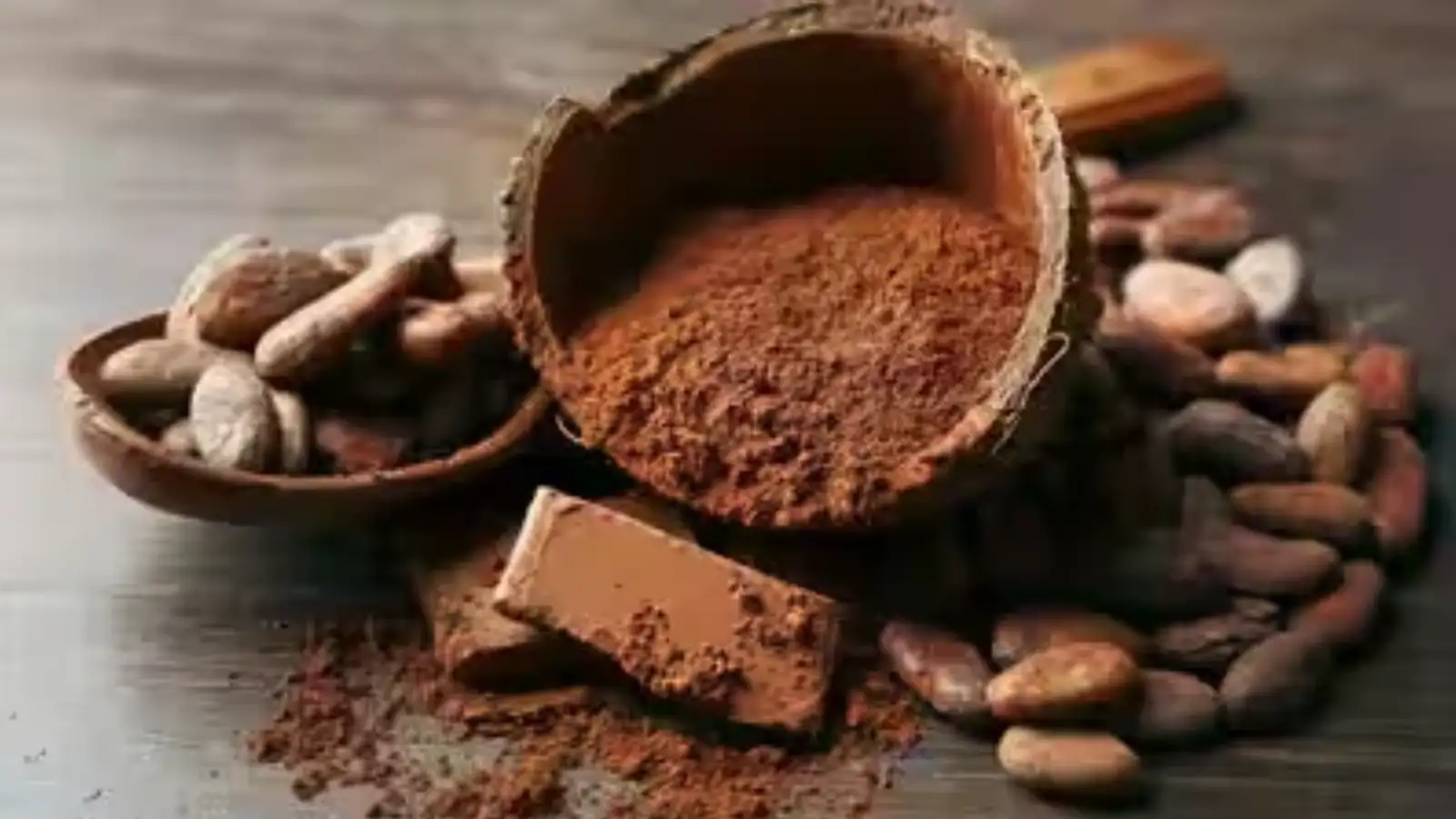
The earliest confirmed evidence of cacao use comes from Maya and Olmec sites in Mesoamerica, where residue analysis of ceramic vessels has found traces of theobromine, the compound unique to cacao, dating back over two thousand years. The Maya grew cacao in cultivated orchards and depicted the tree in their manuscripts. Cacao pods appear carved into temple walls.
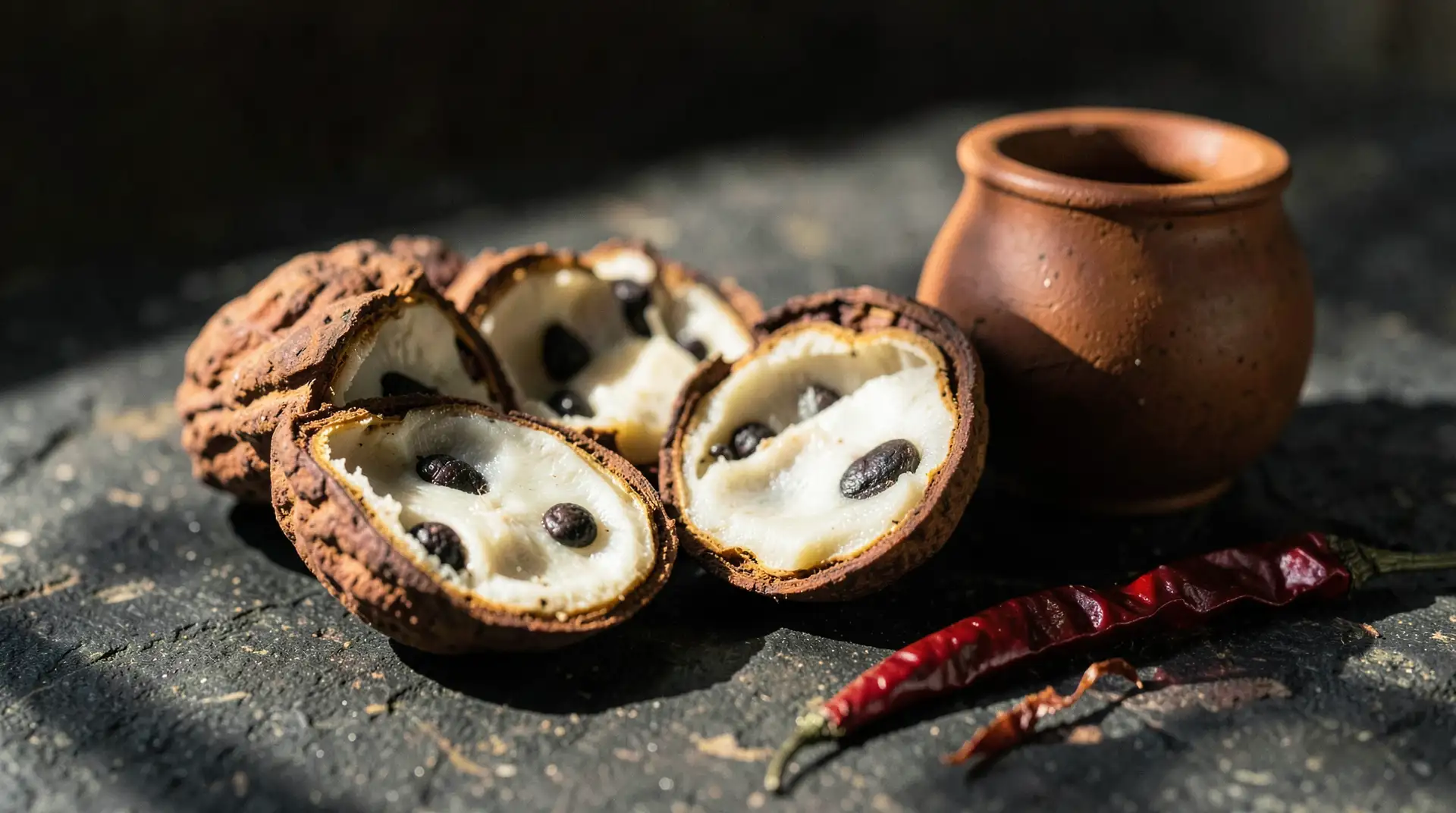
The taste was intensely bitter and spiced, closer to a savoury broth than anything sweet. Sugar as a flavouring did not enter the picture until centuries later, after cacao reached Europe. The Aztecs called their version xocolātl, a word whose exact meaning is debated but is often translated as "bitter water". The bitterness was not a flaw to be corrected. It was the drink.
Access to the drink itself was restricted. Aztec records describe it as the drink of rulers, priests, and elite warriors. The ruler Moctezuma II was reported by Spanish observers to drink large quantities of it before entering his harem, a detail that later fed European fantasies about cacao as an aphrodisiac, a reputation it carried for centuries without any basis beyond that single, possibly embellished account.
Among the Maya, cacao featured in birth, marriage, and death rituals. The Popol Vuh, the K'iche' Maya creation text, references cacao among the foods the gods used to form the first humans. Whether the drink or the bean is the primary reference is a matter of scholarly interpretation, but the association between cacao and human life runs deep through Maya cosmology.
In Europe, the drink was modified. Chilli was dropped. Sugar, already familiar to Europeans through trade with the Arab world, was added. Vanilla stayed. The result was warmer, sweeter, and far more palatable to European preferences. Chocolate houses spread through Spain, then France, then England, serving a drink that was still liquid but bore little resemblance to the Aztec original.
The transformation to solid chocolate came much later, in the nineteenth century, when industrial processing made it possible to extract cocoa butter and recombine it with ground cacao and sugar in a stable solid form. The first eating chocolate bars appeared in the mid-1800s. The entire history of chocolate as a food rather than a drink spans roughly one hundred and seventy years, a fraction of the two-thousand-year history of the drink it replaced.
Bitter chocolate, high-cacao, low-sugar, is now marketed as the sophisticated choice, a return to something older and more serious. That framing is partly true. The higher the cacao content, the closer the flavour gets to what the Maya were actually drinking, minus the chilli and the cold water and the ritual of the pour. The bitterness that modern consumers are slowly relearning to enjoy was never a problem to be solved. It was the original point.
The Tree the Gods Left Behind
The cacao tree, Theobroma cacao, grows only in a narrow band around the equator, in the hot, humid shade of larger forest trees. The Maya called it a gift from the gods, Theobroma itself is Greek for "food of the gods", a name given much later by the Swedish botanist Carl Linnaeus, who was apparently impressed enough to reach for mythology when he classified it.The earliest confirmed evidence of cacao use comes from Maya and Olmec sites in Mesoamerica, where residue analysis of ceramic vessels has found traces of theobromine, the compound unique to cacao, dating back over two thousand years. The Maya grew cacao in cultivated orchards and depicted the tree in their manuscripts. Cacao pods appear carved into temple walls.
A Drink, Not a Sweet
The preparation had nothing in common with hot chocolate as it is known today. The Maya fermented the cacao seeds, dried them, roasted them, and ground them into a paste. This paste was then mixed with water, chilli, vanilla, and sometimes cornmeal or achiote for colour. The resulting liquid was poured repeatedly between two vessels, lifted high and poured low, to produce a thick, cold foam. The foam was the point, it was considered the finest part of the drink.The taste was intensely bitter and spiced, closer to a savoury broth than anything sweet. Sugar as a flavouring did not enter the picture until centuries later, after cacao reached Europe. The Aztecs called their version xocolātl, a word whose exact meaning is debated but is often translated as "bitter water". The bitterness was not a flaw to be corrected. It was the drink.
Currency and Sacred Ritual
The Aztecs valued cacao beans so highly that they used them as currency. Accounts from Spanish chroniclers describe the going rates: a turkey cost a hundred beans, a tamale cost a handful. Cacao was taxed, hoarded, and occasionally counterfeited, hollowed shells filled with dirt and passed off as the real thing.Access to the drink itself was restricted. Aztec records describe it as the drink of rulers, priests, and elite warriors. The ruler Moctezuma II was reported by Spanish observers to drink large quantities of it before entering his harem, a detail that later fed European fantasies about cacao as an aphrodisiac, a reputation it carried for centuries without any basis beyond that single, possibly embellished account.
Among the Maya, cacao featured in birth, marriage, and death rituals. The Popol Vuh, the K'iche' Maya creation text, references cacao among the foods the gods used to form the first humans. Whether the drink or the bean is the primary reference is a matter of scholarly interpretation, but the association between cacao and human life runs deep through Maya cosmology.
How Europe Changed Everything
Spanish conquistadors encountered cacao in the early sixteenth century. Hernán Cortés and his men were served the drink at the Aztec court, and while their initial accounts suggest they found it an acquired taste, they recognised its economic value immediately. Cacao and the knowledge of how to process it were brought back to Spain.In Europe, the drink was modified. Chilli was dropped. Sugar, already familiar to Europeans through trade with the Arab world, was added. Vanilla stayed. The result was warmer, sweeter, and far more palatable to European preferences. Chocolate houses spread through Spain, then France, then England, serving a drink that was still liquid but bore little resemblance to the Aztec original.
The transformation to solid chocolate came much later, in the nineteenth century, when industrial processing made it possible to extract cocoa butter and recombine it with ground cacao and sugar in a stable solid form. The first eating chocolate bars appeared in the mid-1800s. The entire history of chocolate as a food rather than a drink spans roughly one hundred and seventy years, a fraction of the two-thousand-year history of the drink it replaced.
What Survived the Journey
The word cacao itself is Maya in origin, borrowed into Spanish and then into every European language that followed. The foam that the Maya and Aztecs prized for ceremony survives in a different form: the crema on an espresso, the froth on a cappuccino, the head on a carefully poured drink all carry the same instinct that the foam is where the quality lives.Bitter chocolate, high-cacao, low-sugar, is now marketed as the sophisticated choice, a return to something older and more serious. That framing is partly true. The higher the cacao content, the closer the flavour gets to what the Maya were actually drinking, minus the chilli and the cold water and the ritual of the pour. The bitterness that modern consumers are slowly relearning to enjoy was never a problem to be solved. It was the original point.