
Why Japanese Ramen Actually Has Chinese Roots

Walk into any ramen shop in Tokyo and the broth hits you before the bowl does. It feels entirely, unmistakably Japanese. But the soup in front of you carries a history that begins not in Japan, but in China.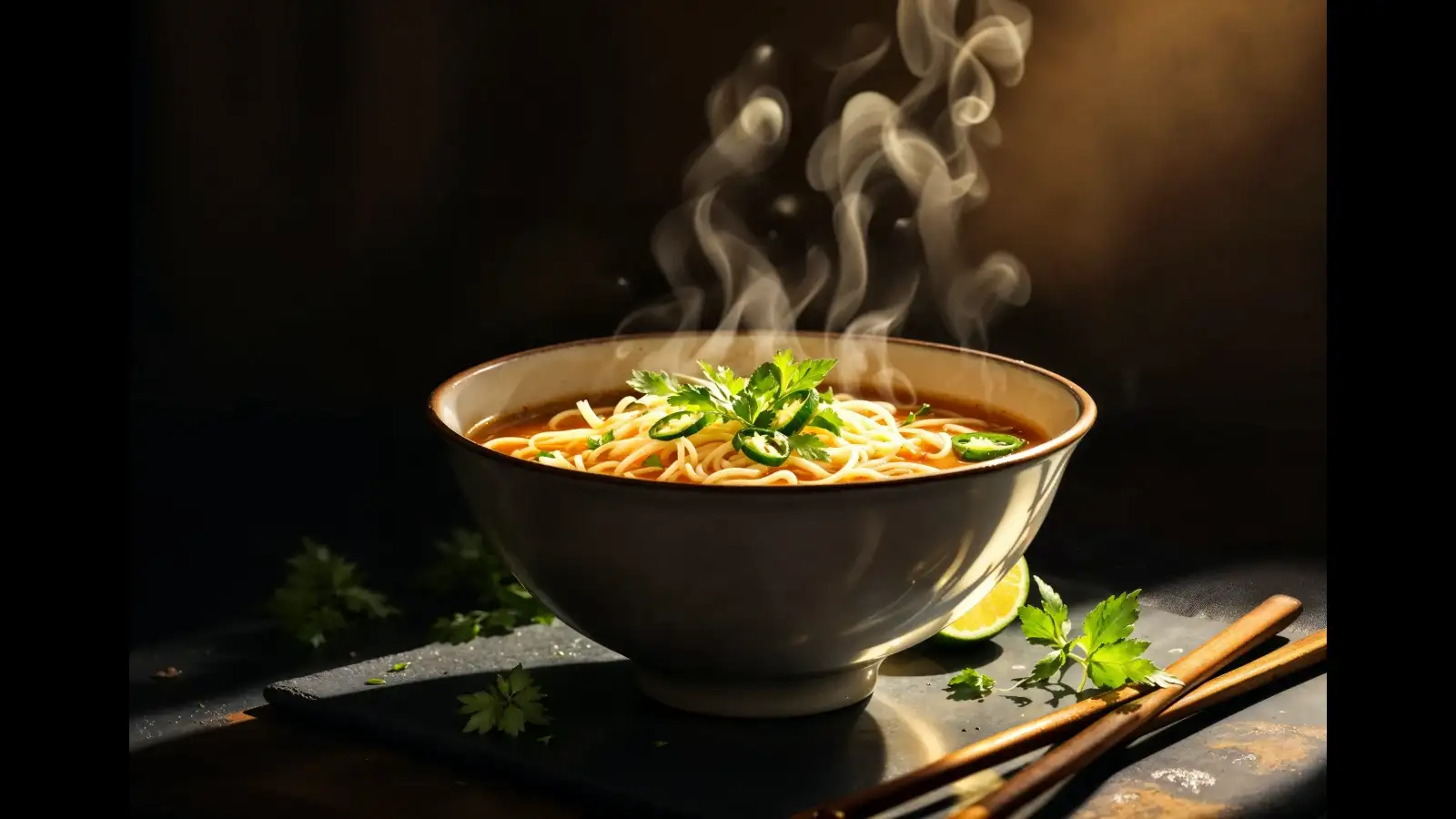
The dish went by different names, but the most common in early Japanese records was "Shina soba", soba here meaning noodle, and Shina being an older Japanese term for China. The Chinese character for the noodle dish, pronounced "lamian" in Mandarin, described noodles pulled and stretched by hand. That word, filtered through regional pronunciations and Japanese phonetics, eventually became "ramen."
The first was the aftermath of the Second World War. Japan faced severe food shortages, and American aid arrived in the form of vast quantities of wheat flour. Wheat was suddenly abundant and cheap. Noodle stalls multiplied across the country, and ramen, already a wheat-noodle dish, became the food of recovery and survival.
The second was the invention of instant ramen in 1958 by Momofuku Ando, who founded Nissin Foods. He found a way to pre-cook and dehydrate noodles so they could be reconstituted in boiling water within minutes. This made ramen accessible to anyone, anywhere, at almost no cost. The dish stopped being street food and became a pantry staple.
None of these styles has a direct counterpart in Chinese cooking. The broths, the noodle textures, the toppings, the chashu pork belly, the seasoned soft-boiled egg, the nori, the bamboo shoots, are Japanese inventions layered onto a Chinese foundation.
Chinese cooking also has its own tradition of rich, long-simmered pork bone broths and soy-seasoned soups. Japanese ramen chefs drew from all of these, consciously and unconsciously, as they built something that felt native.
The ramen chef who spends eighteen hours on a single batch of broth is working in a Japanese tradition of monozukuri, the art of making things with complete attention. The noodle he pulls or cuts carries a shape that a Chinese cook invented. Both of those facts are true at the same time, and neither cancels the other. The bowl holds all of it.
The Chinese Noodle That Crossed the Sea
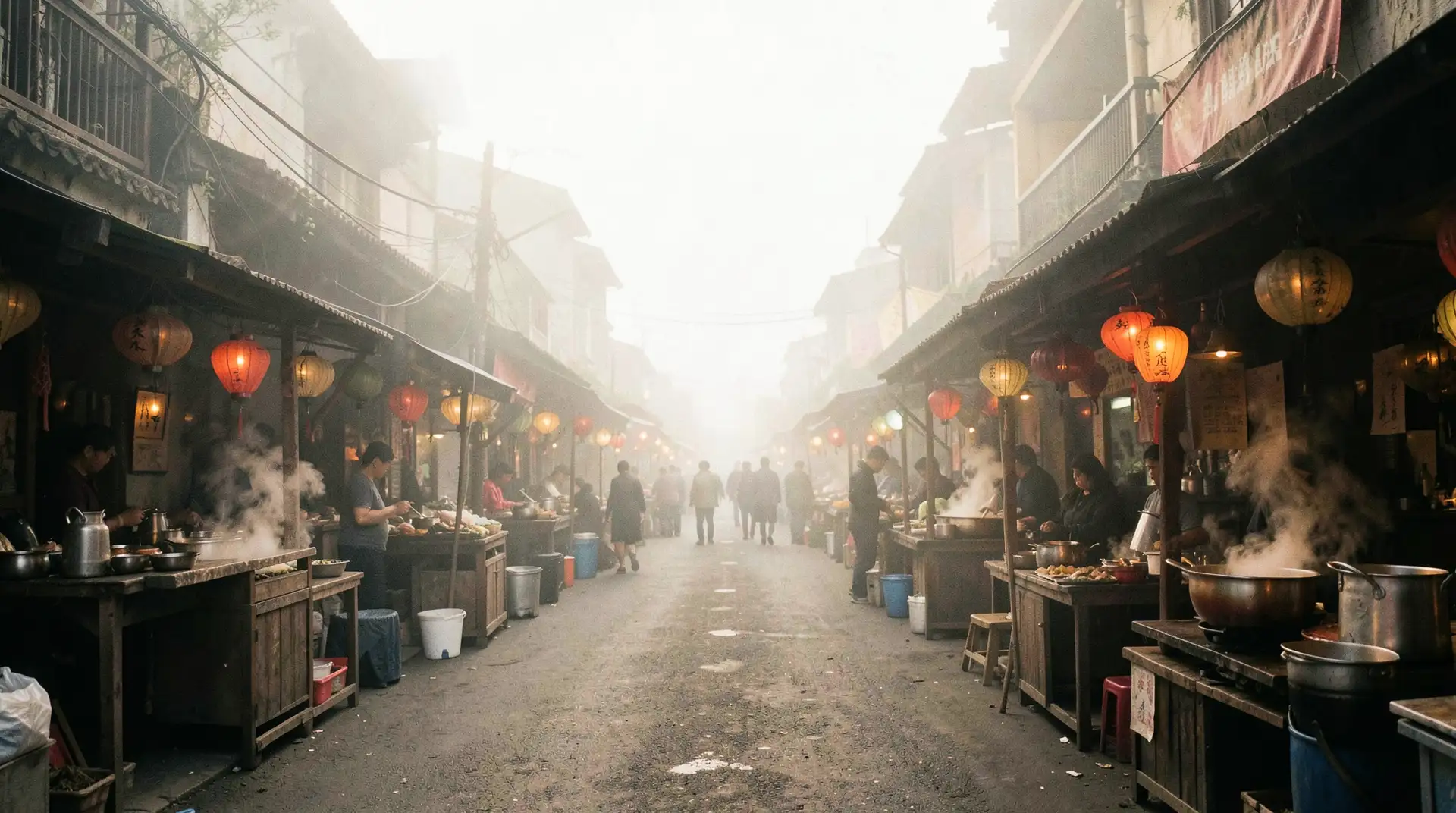
Wheat noodles have been central to Chinese cooking for at least two thousand years. Chinese immigrants brought their noodle-making traditions to Japan during the late nineteenth and early twentieth centuries, settling primarily in port cities like Yokohama, Kobe, and Nagasaki. These cities had designated Chinese quarters, Chinatowns, where cooks served dishes that would have been familiar back home: wheat noodles in a seasoned broth, topped simply with meat and vegetables.The dish went by different names, but the most common in early Japanese records was "Shina soba", soba here meaning noodle, and Shina being an older Japanese term for China. The Chinese character for the noodle dish, pronounced "lamian" in Mandarin, described noodles pulled and stretched by hand. That word, filtered through regional pronunciations and Japanese phonetics, eventually became "ramen."
How Japan Made It Its Own
The transformation from Chinese immigrant food to Japanese national dish did not happen overnight. For decades, ramen sat at the margins, street food, cheap and filling, eaten by labourers and students. Then two historical moments changed everything.The first was the aftermath of the Second World War. Japan faced severe food shortages, and American aid arrived in the form of vast quantities of wheat flour. Wheat was suddenly abundant and cheap. Noodle stalls multiplied across the country, and ramen, already a wheat-noodle dish, became the food of recovery and survival.
The second was the invention of instant ramen in 1958 by Momofuku Ando, who founded Nissin Foods. He found a way to pre-cook and dehydrate noodles so they could be reconstituted in boiling water within minutes. This made ramen accessible to anyone, anywhere, at almost no cost. The dish stopped being street food and became a pantry staple.
The Regional Styles That Emerged
As ramen spread through Japan, each region adapted it to local tastes and local ingredients, and this is where it drifted furthest from its Chinese origins. Sapporo, in Hokkaido, developed a miso-based broth, thick and warming against northern winters. Fukuoka, in Kyushu, built tonkotsu ramen around a broth made from pork bones boiled for hours until the liquid turned opaque and rich. Tokyo's style leaned toward a lighter, soy-seasoned chicken broth. Kitakata, in Fukushima, became famous for a flat, wavy noodle in a clear, delicate soup.None of these styles has a direct counterpart in Chinese cooking. The broths, the noodle textures, the toppings, the chashu pork belly, the seasoned soft-boiled egg, the nori, the bamboo shoots, are Japanese inventions layered onto a Chinese foundation.
What the Chinese Original Looked Like
The lamian tradition in China is still very much alive, most visibly in Lanzhou beef noodle soup, a dish of hand-pulled noodles in a clear beef broth, served with thinly sliced beef, white radish, and a drizzle of chilli oil. It is eaten for breakfast across northwestern China. Side by side with a bowl of Hakata tonkotsu, the family resemblance is there in the structure: noodle, broth, protein, garnish. The philosophy is the same. Everything else has changed.Chinese cooking also has its own tradition of rich, long-simmered pork bone broths and soy-seasoned soups. Japanese ramen chefs drew from all of these, consciously and unconsciously, as they built something that felt native.
A Dish That Belongs to Both
Food historians sometimes describe ramen as a Japanese dish with Chinese DNA, and that framing holds. Japan did not simply adopt a Chinese dish, it received a technique and a format, then spent a century rebuilding it from the inside out, using local ingredients, local palates, and local obsessions with craft and refinement.The ramen chef who spends eighteen hours on a single batch of broth is working in a Japanese tradition of monozukuri, the art of making things with complete attention. The noodle he pulls or cuts carries a shape that a Chinese cook invented. Both of those facts are true at the same time, and neither cancels the other. The bowl holds all of it.
Next Story