
Why Mars Has Become the Next Great Destination in Space Exploration

For generations, Mars has captured human imagination as the most realistic destination for life beyond Earth. Once viewed mainly as a mysterious red world in the night sky, Mars is now at the centre of ambitious scientific missions, private space projects, and long-term plans for human exploration. Advances in rocket technology, robotics, artificial intelligence, and space habitats are bringing the possibility of travelling to Mars closer than ever before. While a human settlement on the planet remains a major challenge, ongoing Mars exploration is already helping scientists understand whether humans could survive and work on another world. The journey to Mars is not only about discovery; it represents humanity’s search for new possibilities.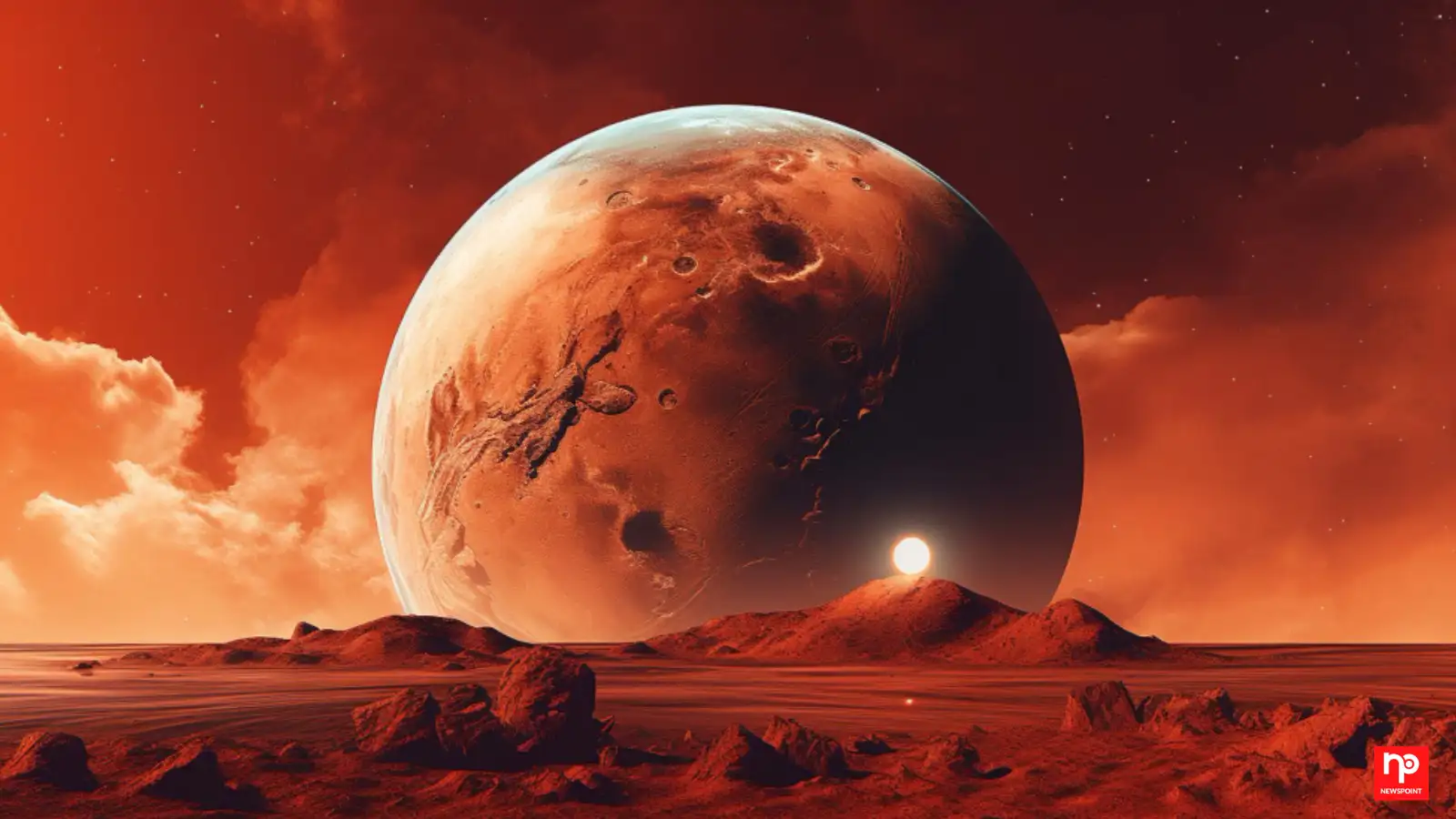
Robotic missions have transformed our understanding of the planet. Vehicles such as Curiosity rover and Perseverance rover have collected valuable information about Mars’ geology, climate, and potential habitability.
These discoveries have strengthened scientific interest in whether Mars could have supported ancient microbial life and whether humans might eventually establish a presence there.
One of the biggest developments supporting future Mars exploration is reusable rocket technology. Private space companies are investing in powerful spacecraft designed for deep-space missions.
SpaceX has been developing its Starship spacecraft with the goal of supporting future Moon and Mars missions. The company believes large, reusable spacecraft could significantly reduce the cost of transporting people and equipment into space.
Other organisations are also researching life-support systems, artificial intelligence, autonomous robots, and advanced materials that could help astronauts survive in extreme environments.
Technologies developed for Mars could also improve life on Earth. Advanced recycling systems, efficient energy solutions, and autonomous machines created for space environments may have practical applications in everyday industries.
A lesser-known aspect of Mars exploration is the importance of “space farming”. Scientists are studying how plants could be grown in controlled environments using limited resources. These experiments could help develop better agricultural techniques for areas facing climate challenges on Earth.
Mars has a thin atmosphere, extreme temperatures, and higher radiation levels compared with Earth. Humans would need specially designed habitats to survive. Producing food, water, and oxygen locally would also be essential because regular supplies from Earth would be extremely expensive and difficult.
The psychological impact of long-term isolation is another important factor. Astronauts travelling to Mars would spend years preparing for a mission that could involve limited contact with Earth.
Scientists and engineers are studying these challenges through experiments on Earth and by using robotic missions as preparation for future human journeys.
A successful human mission to Mars would be a historic achievement comparable to the first Moon landing, but with far greater challenges. It could open the door to new scientific discoveries and inspire generations of researchers and explorers.
The journey to Mars will require patience, international cooperation, and continuous innovation. While humans may not build cities on the Red Planet soon, every robotic mission and technological breakthrough is bringing that possibility closer.
Mars remains a distant world, but it is increasingly becoming the next major chapter in the story of human exploration.
Why Mars Has Become the Focus of Space Exploration
Among all planets in our solar system, Mars is considered one of the most promising destinations for future human exploration. It has a day length similar to Earth’s, frozen water reserves, seasons, and a landscape that scientists believe once contained rivers and lakes.Robotic missions have transformed our understanding of the planet. Vehicles such as Curiosity rover and Perseverance rover have collected valuable information about Mars’ geology, climate, and potential habitability.
These discoveries have strengthened scientific interest in whether Mars could have supported ancient microbial life and whether humans might eventually establish a presence there.
The Technology Driving Future Mars Missions
A human mission to Mars requires technology far beyond traditional space travel. The journey could take several months each way, creating challenges related to fuel, radiation protection, food supplies, and human health.One of the biggest developments supporting future Mars exploration is reusable rocket technology. Private space companies are investing in powerful spacecraft designed for deep-space missions.
SpaceX has been developing its Starship spacecraft with the goal of supporting future Moon and Mars missions. The company believes large, reusable spacecraft could significantly reduce the cost of transporting people and equipment into space.
Other organisations are also researching life-support systems, artificial intelligence, autonomous robots, and advanced materials that could help astronauts survive in extreme environments.
How Mars Exploration Could Create New Industries
Mars exploration is not only a scientific project; it could become part of the expanding space economy. Future missions may require industries focused on spacecraft manufacturing, communication networks, robotics, construction, and resource management.You may also like
- France-based rights group flags rising violence against LGBTQI+ community in Bangladesh
- Ukraine strikes Russian satellite communications hub near Moscow again; Russia downs 419 drones
- How guidance kits are giving 'dumb' rockets the precision of a sniper rifle
- 'Respect is non-negotiable': Indian restaurant in Vietnam accuses family of vandalising property, threatening staff
- Afghan mission to UN condemns Pakistani airstrikes, calls for immediate cessation
Technologies developed for Mars could also improve life on Earth. Advanced recycling systems, efficient energy solutions, and autonomous machines created for space environments may have practical applications in everyday industries.
A lesser-known aspect of Mars exploration is the importance of “space farming”. Scientists are studying how plants could be grown in controlled environments using limited resources. These experiments could help develop better agricultural techniques for areas facing climate challenges on Earth.
The Challenges of Living on Mars
Despite technological progress, creating a human settlement on Mars remains one of the greatest engineering challenges in history.Mars has a thin atmosphere, extreme temperatures, and higher radiation levels compared with Earth. Humans would need specially designed habitats to survive. Producing food, water, and oxygen locally would also be essential because regular supplies from Earth would be extremely expensive and difficult.
The psychological impact of long-term isolation is another important factor. Astronauts travelling to Mars would spend years preparing for a mission that could involve limited contact with Earth.
Scientists and engineers are studying these challenges through experiments on Earth and by using robotic missions as preparation for future human journeys.
The Role of Mars Exploration in Humanity’s Future
Mars exploration represents more than reaching another planet. It raises important questions about humanity’s future, technological abilities, and place in the universe.A successful human mission to Mars would be a historic achievement comparable to the first Moon landing, but with far greater challenges. It could open the door to new scientific discoveries and inspire generations of researchers and explorers.
The journey to Mars will require patience, international cooperation, and continuous innovation. While humans may not build cities on the Red Planet soon, every robotic mission and technological breakthrough is bringing that possibility closer.
Mars remains a distant world, but it is increasingly becoming the next major chapter in the story of human exploration.






More from our partners


Loving Newspoint? Download the app now
