
Why Mars Has Become the Next Great Destination in Space Exploration

For generations, Mars has captured human imagination as the most realistic destination for life beyond Earth. Once viewed mainly as a mysterious red world in the night sky, Mars is now at the centre of ambitious scientific missions, private space projects, and long-term plans for human exploration. Advances in rocket technology, robotics, artificial intelligence, and space habitats are bringing the possibility of travelling to Mars closer than ever before. While a human settlement on the planet remains a major challenge, ongoing Mars exploration is already helping scientists understand whether humans could survive and work on another world. The journey to Mars is not only about discovery; it represents humanity’s search for new possibilities.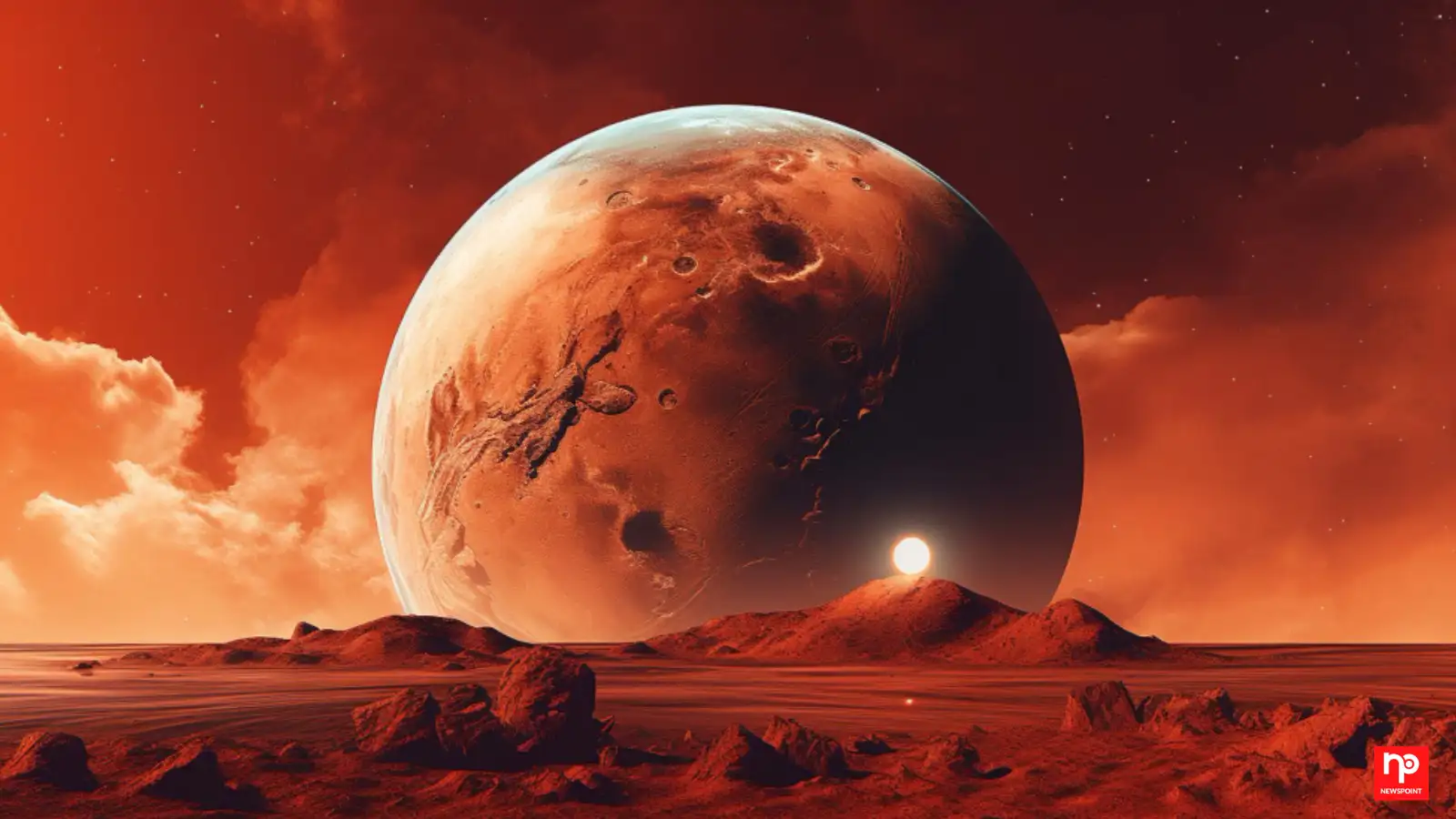
Robotic missions have transformed our understanding of the planet. Vehicles such as Curiosity rover and Perseverance rover have collected valuable information about Mars’ geology, climate, and potential habitability.
These discoveries have strengthened scientific interest in whether Mars could have supported ancient microbial life and whether humans might eventually establish a presence there.
One of the biggest developments supporting future Mars exploration is reusable rocket technology. Private space companies are investing in powerful spacecraft designed for deep-space missions.
SpaceX has been developing its Starship spacecraft with the goal of supporting future Moon and Mars missions. The company believes large, reusable spacecraft could significantly reduce the cost of transporting people and equipment into space.
Other organisations are also researching life-support systems, artificial intelligence, autonomous robots, and advanced materials that could help astronauts survive in extreme environments.
Why Mars Has Become the Focus of Space Exploration
Among all planets in our solar system, Mars is considered one of the most promising destinations for future human exploration. It has a day length similar to Earth’s, frozen water reserves, seasons, and a landscape that scientists believe once contained rivers and lakes.Robotic missions have transformed our understanding of the planet. Vehicles such as Curiosity rover and Perseverance rover have collected valuable information about Mars’ geology, climate, and potential habitability.
These discoveries have strengthened scientific interest in whether Mars could have supported ancient microbial life and whether humans might eventually establish a presence there.
The Technology Driving Future Mars Missions
A human mission to Mars requires technology far beyond traditional space travel. The journey could take several months each way, creating challenges related to fuel, radiation protection, food supplies, and human health.One of the biggest developments supporting future Mars exploration is reusable rocket technology. Private space companies are investing in powerful spacecraft designed for deep-space missions.
SpaceX has been developing its Starship spacecraft with the goal of supporting future Moon and Mars missions. The company believes large, reusable spacecraft could significantly reduce the cost of transporting people and equipment into space.
Other organisations are also researching life-support systems, artificial intelligence, autonomous robots, and advanced materials that could help astronauts survive in extreme environments.
How Mars Exploration Could Create New Industries
Mars exploration is not only a scientific project; it could become part of the expanding space economy. Future missions may require industries focused on spacecraft manufacturing, communication networks, robotics, construction, and resource management.Next Story