
First Human Mission to Mars: Challenges, Survival, and the Future of Space Living

For centuries, humans have looked at Mars and wondered whether we could one day call another planet home. Once considered only a subject of science fiction, the idea of humans living on Mars is now being studied by scientists, engineers, and space organisations around the world. However, reaching Mars would only be the beginning of an extraordinary challenge. The first humans on Mars would face extreme temperatures, limited resources, dangerous radiation, and complete isolation from Earth. Their journey would not simply be an exploration mission; it would be the first step towards understanding whether humans can survive and build a future beyond our planet.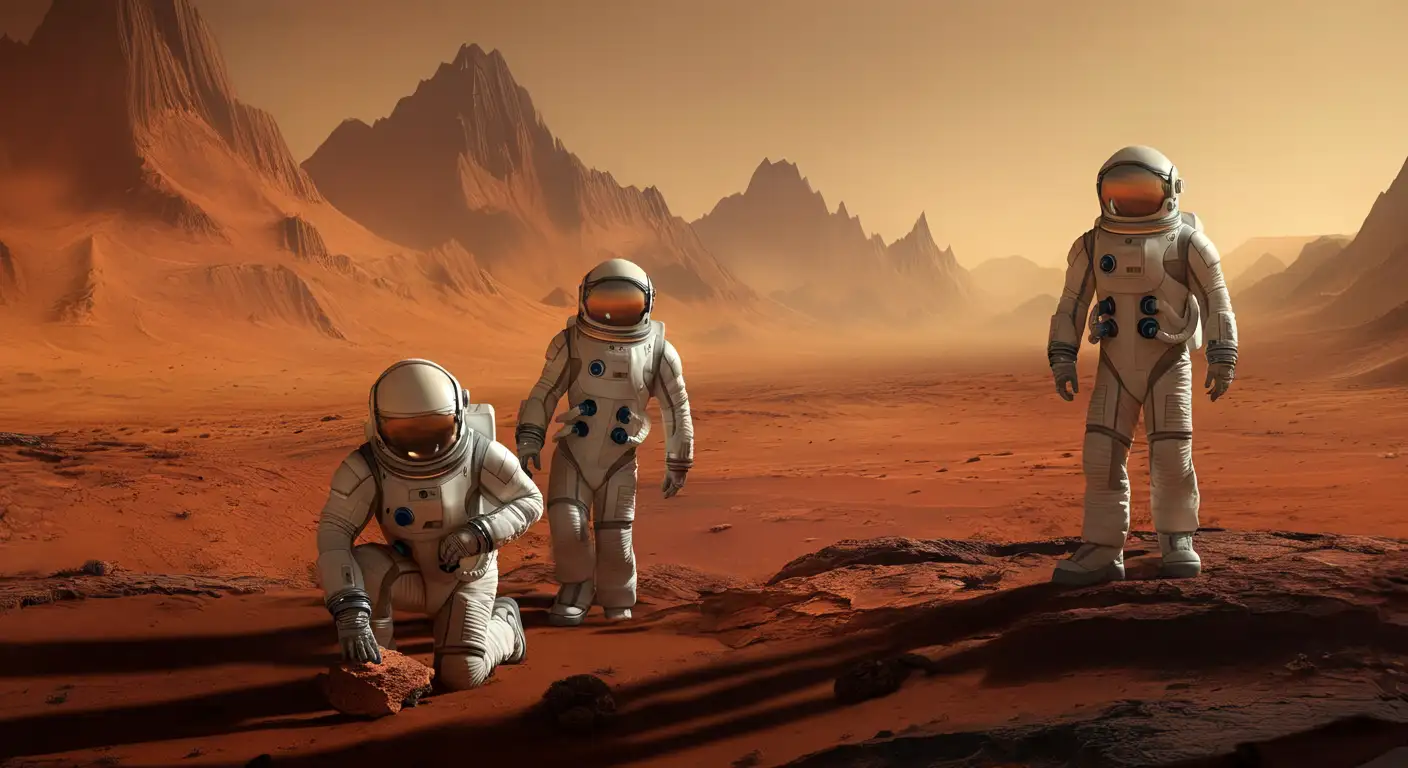
The astronauts would travel inside a spacecraft designed to protect them from radiation, provide food and water, and maintain life-support systems. During the journey, they would experience isolation, limited communication with Earth, and the psychological challenges of living in a confined environment.
The first Mars explorers would need to be astronauts, scientists, engineers, and problem-solvers all at once.
Temperatures on Mars can drop dramatically, especially at night and near the polar regions. Dust storms can also cover large areas of the planet and last for weeks or even months.
Future astronauts would need specially designed habitats with controlled temperature, air pressure, and oxygen systems. These living spaces may be built underground or covered with Martian soil to protect humans from radiation.
Scientists believe future settlers could extract water from underground ice deposits. This water could be purified for drinking and used to produce oxygen and grow food.
Growing crops on Mars would require advanced technology. Researchers are studying controlled environments where plants can grow using artificial lighting, recycled water, and carefully managed soil conditions.
Astronauts already experience muscle loss and bone density reduction during long stays in space. On Mars, regular exercise and advanced medical systems would be necessary to maintain human health.
Radiation exposure would also be a major concern because Mars lacks Earth’s strong magnetic field and thick atmosphere, which protect us from harmful space radiation.
Over time, humans might develop larger habitats using materials available on Mars. Technologies created for Mars living could also benefit life on Earth, including advanced recycling systems, renewable energy solutions, and improved methods for using limited resources.
Another interesting detail is that Mars has seasons because it has a tilted axis, similar to Earth. However, its seasons last much longer because Mars takes nearly twice as long as Earth to orbit the Sun.
Mars also contains the largest volcano in the solar system, Olympus Mons, which is almost three times taller than Mount Everest.
Research into Mars missions has already encouraged developments in robotics, artificial intelligence, life-support systems, and environmental technology. These innovations could help solve challenges on Earth as well.
The possibility of becoming a multi-planetary species also raises important questions about the future of humanity and how we might protect civilisation from global threats.
The First Human Journey to Mars Would Be Unlike Any Other Mission
A human mission to Mars would be far more complex than previous space journeys. Unlike trips to the Moon, which took only a few days, reaching Mars could take several months depending on the positions of Earth and Mars.The astronauts would travel inside a spacecraft designed to protect them from radiation, provide food and water, and maintain life-support systems. During the journey, they would experience isolation, limited communication with Earth, and the psychological challenges of living in a confined environment.
The first Mars explorers would need to be astronauts, scientists, engineers, and problem-solvers all at once.
Surviving the Harsh Environment of the Red Planet
Mars is not naturally suitable for human life. The planet has a very thin atmosphere, mostly made of carbon dioxide, and does not provide breathable oxygen.Temperatures on Mars can drop dramatically, especially at night and near the polar regions. Dust storms can also cover large areas of the planet and last for weeks or even months.
Future astronauts would need specially designed habitats with controlled temperature, air pressure, and oxygen systems. These living spaces may be built underground or covered with Martian soil to protect humans from radiation.
How Humans Could Produce Food and Water on Mars
One of the biggest challenges of living on Mars is access to basic resources. Unlike Earth, Mars does not have rivers, forests, or an atmosphere that supports agriculture.Scientists believe future settlers could extract water from underground ice deposits. This water could be purified for drinking and used to produce oxygen and grow food.
Growing crops on Mars would require advanced technology. Researchers are studying controlled environments where plants can grow using artificial lighting, recycled water, and carefully managed soil conditions.
The Impact of Mars Life on the Human Body
Living on Mars would create significant physical challenges. Mars has weaker gravity than Earth, about 38 per cent of Earth’s gravity, which could affect muscles and bones over time.Astronauts already experience muscle loss and bone density reduction during long stays in space. On Mars, regular exercise and advanced medical systems would be necessary to maintain human health.
Radiation exposure would also be a major concern because Mars lacks Earth’s strong magnetic field and thick atmosphere, which protect us from harmful space radiation.
Building the First Human Community on Mars
The first Mars settlement would probably not look like a traditional city. Instead, it would begin as a small research base focused on survival and scientific exploration.Over time, humans might develop larger habitats using materials available on Mars. Technologies created for Mars living could also benefit life on Earth, including advanced recycling systems, renewable energy solutions, and improved methods for using limited resources.
Lesser-Known Facts About Living on Mars
One fascinating fact is that a day on Mars is surprisingly similar to Earth. A Martian day, called a “sol”, lasts about 24 hours and 39 minutes.Another interesting detail is that Mars has seasons because it has a tilted axis, similar to Earth. However, its seasons last much longer because Mars takes nearly twice as long as Earth to orbit the Sun.
Mars also contains the largest volcano in the solar system, Olympus Mons, which is almost three times taller than Mount Everest.
Why Human Life on Mars Matters Today
The idea of humans living on Mars is not only about exploration. It represents a search for knowledge, technological progress, and a deeper understanding of human survival.Research into Mars missions has already encouraged developments in robotics, artificial intelligence, life-support systems, and environmental technology. These innovations could help solve challenges on Earth as well.
The possibility of becoming a multi-planetary species also raises important questions about the future of humanity and how we might protect civilisation from global threats.
Next Story