
Eyes in the sky: How low-cost aerostats can help plug India's radar coverage gaps


Modern conflict have demonstrated the importance of continuous air defence systems coverage of airspace. Surveillance is now required from the very low level to defend against cruise missiles, low flying aircraft and drones, to the very high level to defend against the threat from ballistic missiles and in the future against hypersonic glide vehicles. While traditional AWACS aircraft remain central to surveillance, their limited numbers and high operating costs have prompted exploration of alternative solutions, even as the IAF is working to increase the number of these airborne radar sites, gaps will still persist.
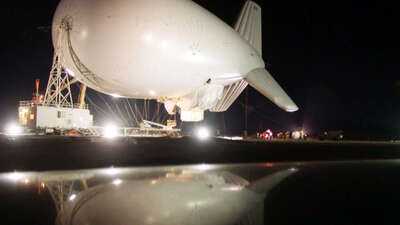
One emerging idea is to employ drones such as the MQ‑9B, which can carry radar pods and provide persistent coverage for over 30 hours. These drone‑based AEW platforms could supplement existing AWACS fleets, detecting low‑flying cruise missiles and swarming drones across India’s borders and maritime zones. However, drones will also be required for strike and reconnaissance missions during a conflict, making their diversion to radar roles less optimal.
One emerging idea is to employ drones such as the MQ‑9B, which can carry radar pods and provide persistent coverage for over 30 hours. These drone‑based AEW platforms could supplement existing AWACS fleets, detecting low‑flying cruise missiles and swarming drones across India’s borders and maritime zones. However, drones will also be required for strike and reconnaissance missions during a conflict, making their diversion to radar roles less optimal.
Next Story