
How the Pineapple Went from a Symbol of Wealth to an Everyday Fruit

The pineapple arrived in Europe in 1493 as a rumour made edible. Christopher Columbus's crew found it on the Caribbean island of Guadeloupe, brought it back to Spain, and set off a craving that would last three centuries. European courts had never tasted anything like it, sweet, acidic, and impossibly fragrant, and because it died on the long sea crossing, almost none could be brought back alive. That scarcity made it priceless before anyone even knew what to call it.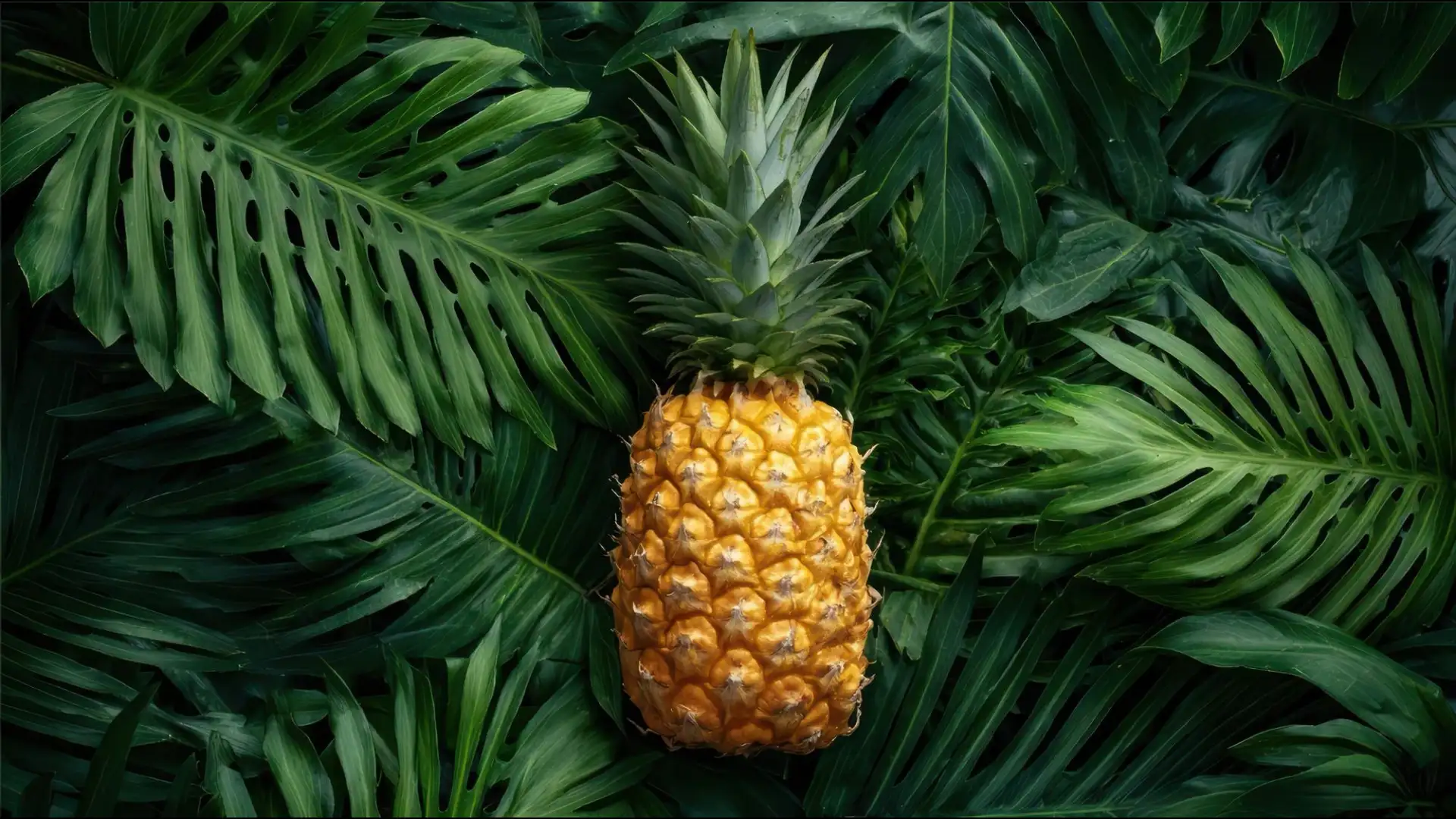
The pineapple became so associated with wealth and hospitality that its image was carved into gateposts, embroidered on linen, and pressed into silver. To place one on a table was to tell your guests: I have resources you cannot imagine.
The fruit was pure theatre. Some pineapples circulated through rental circuits for weeks before they were finally soft enough that the merchant had no choice but to sell them to be eaten. The object and the experience of the object had become entirely separate things.
After European contact, Portuguese and Spanish sailors carried it east along their trade routes, to West Africa, to India, to Southeast Asia, partly because it stayed edible longer than most fresh food on a ship and partly because sailors believed, with some basis, that it helped with digestion after months of salt meat.
The pineapple reached Goa in the sixteenth century and was growing across coastal India within a generation. Today, the northeastern states of India, Assam, Meghalaya, Tripura, are among the world's significant producers, and the Kew variety grown in Tripura has a geographical indication tag.
Canned pineapple reached kitchens that had never seen a fresh one, and the price collapsed. By the mid-twentieth century, the fruit that had once been rented for a single evening was a pantry staple.
Fresh pineapples followed as refrigerated shipping made long-distance transport viable, and countries in Central America, West Africa, and Southeast Asia scaled up production to meet demand that had once been unimaginable.
The debate over pineapple on pizza, which became a genuine cultural argument in the late twentieth century, is partly a trace of the fruit's old exoticism, the sense that it is too sweet, too foreign, too much. And in parts of South America and Southeast Asia, the pineapple never lost its everyday quality, because it never had to be imported.
The luxury was always a European invention applied to something that, at its source, was simply food. The distance between those two versions of the same fruit is the distance the pineapple travelled, and the distance it took the rest of the world to catch up.
The Fruit That Cost a Fortune
In seventeenth-century England, a single pineapple could cost the equivalent of what a skilled worker earned in several months. Kings kept them on the table as centrepieces and ate them only after they had been admired for days. The Dutch and the English built elaborate heated glasshouses, pineries, just to grow them on northern soil, requiring teams of gardeners, tons of coal, and years of patience for a single fruit.The pineapple became so associated with wealth and hospitality that its image was carved into gateposts, embroidered on linen, and pressed into silver. To place one on a table was to tell your guests: I have resources you cannot imagine.
Rented by the Night
The rental market that grew around the pineapple is one of the stranger chapters in food history. Because most people could not afford to buy one, London merchants began renting them out by the evening. A family hosting a dinner would carry the pineapple in, display it through the meal, and return it the next morning, uneaten.The fruit was pure theatre. Some pineapples circulated through rental circuits for weeks before they were finally soft enough that the merchant had no choice but to sell them to be eaten. The object and the experience of the object had become entirely separate things.
You may also like
- India, Vietnam pledge to deepen defence cooperation
- 'Act responsibly': Taliban urges US over planned deportation of Afghan immigrants
- A Virginia wildlife centre wants to help injured bald eagles fly again, but a neighbouring restaurant owner's opposition to its proposed aviary has triggered an eight-year legal battle that has cost both sides around $700,000
- Highway collision kills two, injures three in Afghanistan's Laghman
- 274 minor boys subjected to sexual abuse in Bangladesh; madrasas account for majority cases
How It Crossed the World
The pineapple is native to South America, most likely to the region between southern Brazil and Paraguay, where indigenous peoples had cultivated it for centuries before European contact. They called it nanas, meaning excellent fruit. By the time Columbus encountered it, trade networks had already spread it through much of the Caribbean and into Central America.After European contact, Portuguese and Spanish sailors carried it east along their trade routes, to West Africa, to India, to Southeast Asia, partly because it stayed edible longer than most fresh food on a ship and partly because sailors believed, with some basis, that it helped with digestion after months of salt meat.
The pineapple reached Goa in the sixteenth century and was growing across coastal India within a generation. Today, the northeastern states of India, Assam, Meghalaya, Tripura, are among the world's significant producers, and the Kew variety grown in Tripura has a geographical indication tag.
The Canning Revolution
The pineapple's fall from luxury to ordinary happened fast once industrial canning arrived. Hawaii became the centre of the global canned pineapple trade in the early twentieth century, with large plantations and canneries that could process thousands of fruits a day. The ring cut, the circular slice that became the visual shorthand for pineapple, was invented to suit the can, not the fruit.Canned pineapple reached kitchens that had never seen a fresh one, and the price collapsed. By the mid-twentieth century, the fruit that had once been rented for a single evening was a pantry staple.
Fresh pineapples followed as refrigerated shipping made long-distance transport viable, and countries in Central America, West Africa, and Southeast Asia scaled up production to meet demand that had once been unimaginable.
What the Pineapple Left Behind
The cultural marks of the pineapple's expensive past are still visible. Pineapple motifs on door knockers and hotel lobbies still carry their old meaning of welcome and hospitality, even if almost no one remembers why.The debate over pineapple on pizza, which became a genuine cultural argument in the late twentieth century, is partly a trace of the fruit's old exoticism, the sense that it is too sweet, too foreign, too much. And in parts of South America and Southeast Asia, the pineapple never lost its everyday quality, because it never had to be imported.
The luxury was always a European invention applied to something that, at its source, was simply food. The distance between those two versions of the same fruit is the distance the pineapple travelled, and the distance it took the rest of the world to catch up.






Loving Newspoint? Download the app now
