
India-US Academic Ashley Tellis Granted Pre-Trial Release, Rejects Allegations of China Ties

A US court has granted pre-trial release to Indian-American scholar Ashley Tellis , who was arrested last week for allegedly keeping over 1,000 pages of classified US defence documents in his basement. The 64-year-old, a well-known voice in Washington’s foreign policy circles, faces up to 10 years in prison for the unlawful retention of national defence information.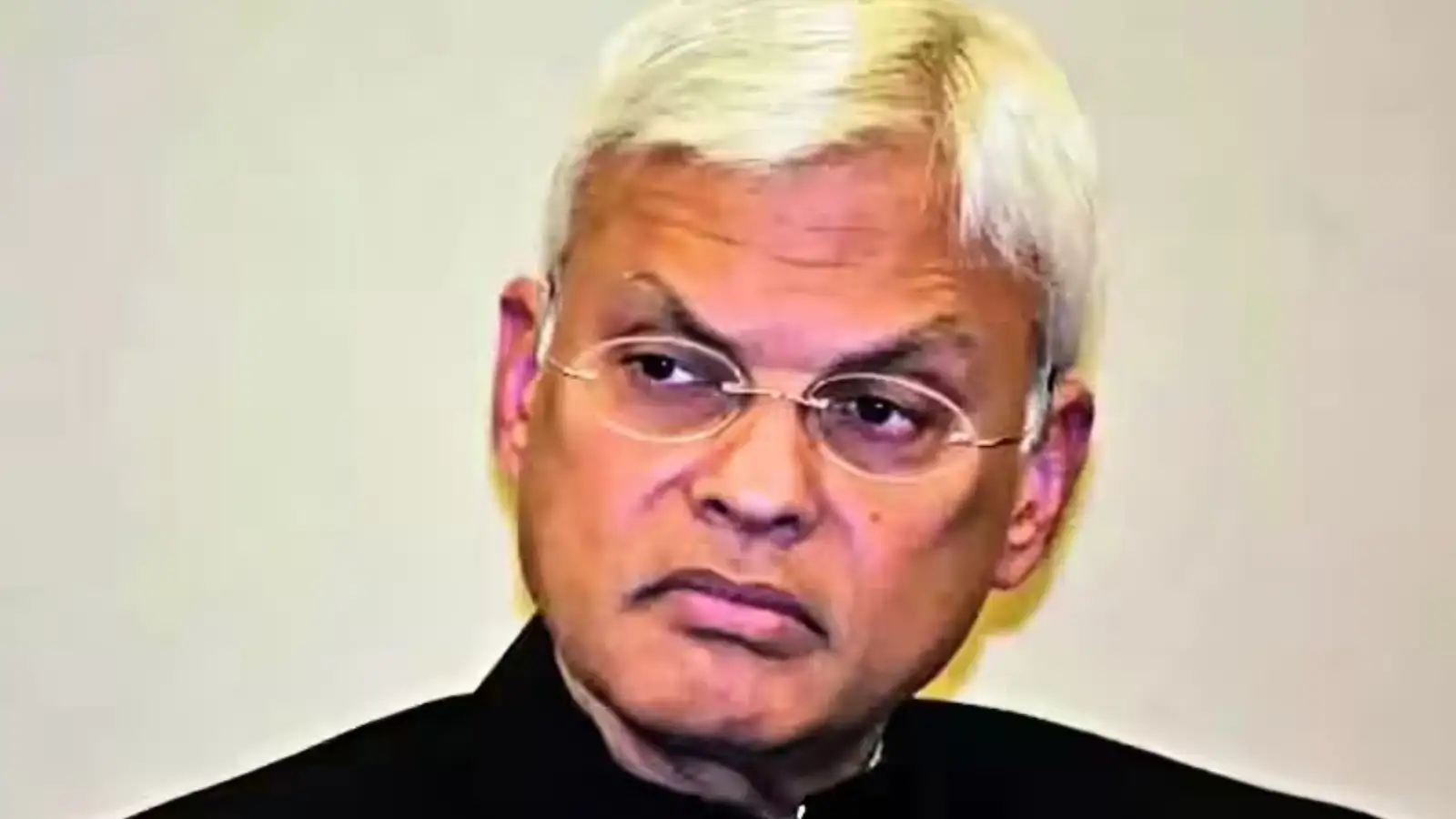
Tellis ’s attorneys told the court that he had been cooperating fully with investigators and emphasised his "lifelong commitment to American national security ." The judge released him from jail to home confinement on Tuesday, backed by a $1.5 million secured bond co-signed by his wife, Dhun Tellis.
Tellis, a senior fellow at the Carnegie Endowment for International Peace , has been a respected expert on Indian and South Asian affairs for over two decades. He previously held senior roles under former President George W Bush and advised the State Department .
During the hearing, his defence team strongly rejected the Justice Department’s claim that Tellis may have leaked information to China. They argued the government had misread a scholar’s "routine professional duties" as espionage.
"Any insinuation that Dr Tellis has disclosed classified information - let alone to a foreign government - lacks any evidentiary basis," said attorneys John Nassikas and Deborah Curtis, as quoted by The Washington Post.
They added that investigators appeared to interpret Tellis’s normal international travel and foreign policy work as "clandestine activity," vowing to "vigorously contest" the espionage allegations.
The FBI , in its affidavit, claimed that Tellis had met several times with Chinese officials in Virginia and once left a restaurant without a manila envelope he had carried in. It also mentioned a "red gift bag" allegedly given to him by Chinese officials at another dinner.
Tellis’s lawyers dismissed these claims as cultural misinterpretations. They said exchanging small gifts was customary in Asian settings and that "the red gift bag contained tea - a common gift in Asian cultures." They suggested the envelope likely held a printout of one of Tellis’s articles, something he was known to distribute.
They emphasised that the charge only concerns document retention and not the sharing of classified information. "The sole charge against him involves the unlawful retention of national defence information - not its dissemination...There is no allegation, let alone evidence, that Dr Tellis ever shared, attempted to share, or intended to share national defence information with unauthorised individuals," the defence team wrote.
Tellis’s next court hearing is scheduled for November 4. The case continues to draw attention as it unfolds against the backdrop of heightened US-China tensions and scrutiny over national security leaks.
Tellis ’s attorneys told the court that he had been cooperating fully with investigators and emphasised his "lifelong commitment to American national security ." The judge released him from jail to home confinement on Tuesday, backed by a $1.5 million secured bond co-signed by his wife, Dhun Tellis.
Tellis, a senior fellow at the Carnegie Endowment for International Peace , has been a respected expert on Indian and South Asian affairs for over two decades. He previously held senior roles under former President George W Bush and advised the State Department .
During the hearing, his defence team strongly rejected the Justice Department’s claim that Tellis may have leaked information to China. They argued the government had misread a scholar’s "routine professional duties" as espionage.
"Any insinuation that Dr Tellis has disclosed classified information - let alone to a foreign government - lacks any evidentiary basis," said attorneys John Nassikas and Deborah Curtis, as quoted by The Washington Post.
You may also like
- Chinese investment in Pak's infrastructure failed to trigger economic growth: Report
- Bangladesh records 257 attacks on minorities in first half of 2026, rights body seeks stronger legal safeguards
- Powerful 7.1-magnitude earthquake hits southern Japan; tsunami warning issued
- Over 1,340 Indians died by suicide in Gulf countries
- India, Canada discuss boosting maritime cooperation, defence ties
They added that investigators appeared to interpret Tellis’s normal international travel and foreign policy work as "clandestine activity," vowing to "vigorously contest" the espionage allegations.
The FBI , in its affidavit, claimed that Tellis had met several times with Chinese officials in Virginia and once left a restaurant without a manila envelope he had carried in. It also mentioned a "red gift bag" allegedly given to him by Chinese officials at another dinner.
Tellis’s lawyers dismissed these claims as cultural misinterpretations. They said exchanging small gifts was customary in Asian settings and that "the red gift bag contained tea - a common gift in Asian cultures." They suggested the envelope likely held a printout of one of Tellis’s articles, something he was known to distribute.
They emphasised that the charge only concerns document retention and not the sharing of classified information. "The sole charge against him involves the unlawful retention of national defence information - not its dissemination...There is no allegation, let alone evidence, that Dr Tellis ever shared, attempted to share, or intended to share national defence information with unauthorised individuals," the defence team wrote.
Tellis’s next court hearing is scheduled for November 4. The case continues to draw attention as it unfolds against the backdrop of heightened US-China tensions and scrutiny over national security leaks.






Loving Newspoint? Download the app now
