
Indonesia Plans World’s Largest Deforestation, Set to Clear Forests Equal to Belgium’s Size

In a move that has sparked global concern, Indonesia is set to undertake what experts are calling the world’s largest planned deforestation. The Southeast Asian nation is preparing to clear an estimated 30,689 square kilometers of forest - an area roughly the size of Belgium - to make room for large-scale cultivation of sugarcane for bioethanol, alongside rice and other food crops.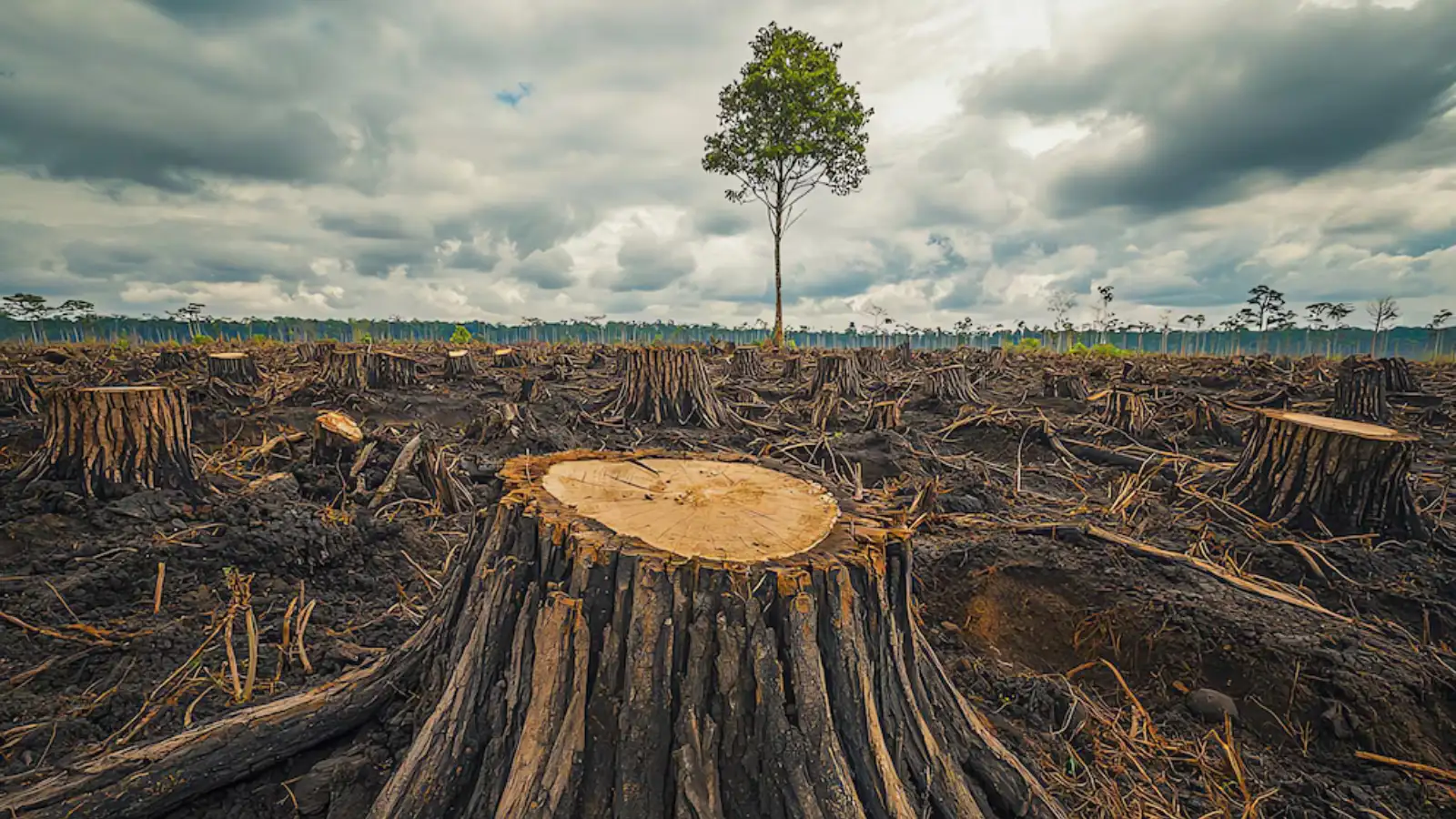
A Threat to One of Earth’s Richest Ecosystems
The scale of this deforestation is unprecedented. According to environmental watchdogs, the project could devastate one of the planet’s richest ecosystems, as Indonesia is home to the world’s third-largest rainforest. These forests support rare and endangered species like orangutans, Sumatran elephants, and the world’s largest flowers.
“Imagine every piece of vegetation in that area being completely cleared ... having all the trees and the wildlife erased from the landscape and replaced with a monoculture. It’s creating a zone of death in one of the most vibrant spots on Earth,” said Glenn Horowitz, chief executive of US non-governmental organisation Mighty Earth.
Balancing Food Security With Environmental Costs
The deforestation push stems from Indonesia’s long-standing ambition to boost food and energy security. Under former President Joko Widodo, the country initiated its "food estate" strategy - a vision aimed at reducing dependency on food imports. The current government, led by President Prabowo Subianto, has doubled down on this plan, expanding it to include bioethanol production.
“We must be self-sufficient in energy and we have the capacity to achieve this,” President Subianto said in October 2024, expressing confidence that Indonesia would become food and energy self-sufficient within a few years.
Bioethanol Potential vs. Environmental Reality
Indonesia holds great potential for bioethanol production, especially with its vast agricultural land. Yet, the country still struggles to produce enough sustainable feedstocks like sugarcane and cassava. An earlier attempt to introduce bioethanol fuel in 2007 failed due to inadequate supply.
Now, the government has revived its ambitions through a massive 4.3-million-hectare food and energy project spread across the islands of Papua and Kalimantan. The most expansive section - called the Merauke Integrated Food and Energy Estate - will span over 3 million hectares in Papua. Alarmingly, this region overlaps with the Trans-Fly ecoregion, a haven for rare species and home to Indigenous communities who rely on the forests for survival.
Replanting Plans Offer Little Reassurance
Government officials have acknowledged the environmental risks involved. Hashim Djojohadikusumo, President Subianto’s brother and the government’s energy and environment representative, said efforts are underway to rehabilitate 6.5 million hectares of degraded land through reforestation.
“Thus, the food estate programme continues while we mitigate the possible negative impacts with new programmes, one of which is reforestation,” Djojohadikusumo stated.
However, environmental experts warn that reforestation cannot fully compensate for the loss of natural forests . Mature rainforests store massive amounts of carbon, regulate water cycles, and provide irreplaceable habitats for a wide array of species - functions that young plantations simply cannot match.
As Indonesia pushes forward with its energy and food ambitions, the global environmental community remains on edge, watching closely to see whether the pursuit of progress will come at the cost of ecological catastrophe.
A Threat to One of Earth’s Richest Ecosystems
The scale of this deforestation is unprecedented. According to environmental watchdogs, the project could devastate one of the planet’s richest ecosystems, as Indonesia is home to the world’s third-largest rainforest. These forests support rare and endangered species like orangutans, Sumatran elephants, and the world’s largest flowers.
“Imagine every piece of vegetation in that area being completely cleared ... having all the trees and the wildlife erased from the landscape and replaced with a monoculture. It’s creating a zone of death in one of the most vibrant spots on Earth,” said Glenn Horowitz, chief executive of US non-governmental organisation Mighty Earth.
Balancing Food Security With Environmental Costs
The deforestation push stems from Indonesia’s long-standing ambition to boost food and energy security. Under former President Joko Widodo, the country initiated its "food estate" strategy - a vision aimed at reducing dependency on food imports. The current government, led by President Prabowo Subianto, has doubled down on this plan, expanding it to include bioethanol production.
“We must be self-sufficient in energy and we have the capacity to achieve this,” President Subianto said in October 2024, expressing confidence that Indonesia would become food and energy self-sufficient within a few years.
Bioethanol Potential vs. Environmental Reality
Indonesia holds great potential for bioethanol production, especially with its vast agricultural land. Yet, the country still struggles to produce enough sustainable feedstocks like sugarcane and cassava. An earlier attempt to introduce bioethanol fuel in 2007 failed due to inadequate supply.
You may also like
- Pakistan: 14 infants' deaths expose healthcare crisis
- A Michigan collector paid $30 for a painting overlooked at an estate sale; the 1951 work had vanished from public view for 75 years and is now estimated to fetch as much as $250,000
- EAM Jaishankar set to visit New York, to address UNGA session on September 26
- Uttar Pradeshs Cultural Richness Celebrated in Iceland with Focus on Investment and Tourism
- Malaysia's BrahMos interest can cut reliance on US-aligned defence suppliers: Report
Now, the government has revived its ambitions through a massive 4.3-million-hectare food and energy project spread across the islands of Papua and Kalimantan. The most expansive section - called the Merauke Integrated Food and Energy Estate - will span over 3 million hectares in Papua. Alarmingly, this region overlaps with the Trans-Fly ecoregion, a haven for rare species and home to Indigenous communities who rely on the forests for survival.
Replanting Plans Offer Little Reassurance
Government officials have acknowledged the environmental risks involved. Hashim Djojohadikusumo, President Subianto’s brother and the government’s energy and environment representative, said efforts are underway to rehabilitate 6.5 million hectares of degraded land through reforestation.
“Thus, the food estate programme continues while we mitigate the possible negative impacts with new programmes, one of which is reforestation,” Djojohadikusumo stated.
However, environmental experts warn that reforestation cannot fully compensate for the loss of natural forests . Mature rainforests store massive amounts of carbon, regulate water cycles, and provide irreplaceable habitats for a wide array of species - functions that young plantations simply cannot match.
As Indonesia pushes forward with its energy and food ambitions, the global environmental community remains on edge, watching closely to see whether the pursuit of progress will come at the cost of ecological catastrophe.






Loving Newspoint? Download the app now
