
Olympic gold medals contain at least six grams of gold, while the rest is silver; the last solid-gold medals were awarded in 1912


The sight of an Olympic champion standing on the podium with a beaming smile on their face with a new gold medal is one of the most memorable rituals in the world of sports. Over the years, viewers have associated the glittering prizes with symbols of true victory. Nonetheless, when one takes a second look at the material composition of the revered sports award, they will discover a metallurgical secret that may take most people by surprise.
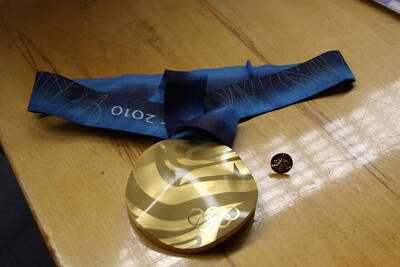
A mere six grams of gold coat an Olympic gold medal , which is otherwise mostly silver. Rather than being solid gold through and through, modern first-place medals are essentially silver discs that have been given a thin, brilliant outer layer of gilding. The gold that the world sees on television accounts for just a tiny fraction of the entire weight of the medal, transforming a perceived block of solid wealth into an elegant exercise in meticulous gold plating .
The purity regulations setting the global standard
This unique composition is not an arbitrary decision by local organising committees, but as per the IOC requirements, as detailed in a recent analysis by CBS News regarding the value of these top prizes. Guidelines from the International Olympic Committee mandate that each gold medal must consist of at least 92.5 per cent silver. This happens to be the same purity as sterling silver.
When speaking of standard manufacturing processes, many modern gold medals contain hundreds of grams of silver beneath their six-gram coating of solid gold. The combination of those metals is not accidental; it has very practical reasons beyond the issue of expense. Gold is an amazingly beautiful metal, yet it is rather soft and malleable at the same time. Therefore, the combination of a sturdy silver core inside and bright gold outside creates a set of medals durable enough to withstand a lifetime of handling and public display.
The bygone age of solid gold medals for champions
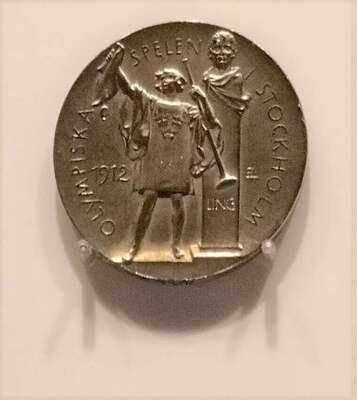
To pinpoint the period during which Olympic winners used to be awarded solid gold medals, it is necessary to travel back more than one hundred years. Official archives from Guinness World Records clearly state that the last occasion when solid gold medals were awarded was at the Olympic Games in Stockholm, Sweden, in 1912. After 1912, Olympic gold medals shifted to gilded silver due to the sheer scale of the modern Games.
These unique antiques are famous not only among scholars but also among collectors of sports memorabilia due to their immense rarity. For example, according to official data from an official catalogue by the SCP Auctions auction house, 90 solid-gold medals were produced for individual events by the Swedish organisers for the 1912 Stockholm Games. Those rare medals were designed exclusively for individual champions, such as the legendary high jumper Alma Richards or the iconic multi-sport athlete Jim Thorpe. In contrast, the teams were already receiving medals made of gold-plated silver.
From melt value to priceless historical value
Due to their great rarity, these antique Swedish medals have become a valuable possession for collectors. Indeed, the difference in appearance between past and modern items is tremendous, since those solid gold medals awarded for winning the 1912 Stockholm Games had a rather compact size with a weight of 28 grams and a diameter of 33 millimetres. Their value has increased greatly during the last century. According to the Guinness World Records , a rare medal from an individual winner of the 1912 Stockholm Games was sold for 35,851 dollars.
This huge price tag brings into sharp contrast the stark difference between the intrinsic value of the materials used versus the sentimental value of the history involved. From the standpoint of intrinsic worth, CBS News notes that the melting value of a contemporary gold medal is estimated to be about 2,500 dollars based on current precious metal prices. Yet when such medals are actually sold in the public marketplace, their real value is determined only through the history attached to them. Sports memorabilia collectors confirm that historical awards always sell for incredible prices because their collector value often depends more on the athlete and history than the metal constituents.
A mere six grams of gold coat an Olympic gold medal , which is otherwise mostly silver. Rather than being solid gold through and through, modern first-place medals are essentially silver discs that have been given a thin, brilliant outer layer of gilding. The gold that the world sees on television accounts for just a tiny fraction of the entire weight of the medal, transforming a perceived block of solid wealth into an elegant exercise in meticulous gold plating .
The purity regulations setting the global standard
This unique composition is not an arbitrary decision by local organising committees, but as per the IOC requirements, as detailed in a recent analysis by CBS News regarding the value of these top prizes. Guidelines from the International Olympic Committee mandate that each gold medal must consist of at least 92.5 per cent silver. This happens to be the same purity as sterling silver.
When speaking of standard manufacturing processes, many modern gold medals contain hundreds of grams of silver beneath their six-gram coating of solid gold. The combination of those metals is not accidental; it has very practical reasons beyond the issue of expense. Gold is an amazingly beautiful metal, yet it is rather soft and malleable at the same time. Therefore, the combination of a sturdy silver core inside and bright gold outside creates a set of medals durable enough to withstand a lifetime of handling and public display.
The bygone age of solid gold medals for champions
To pinpoint the period during which Olympic winners used to be awarded solid gold medals, it is necessary to travel back more than one hundred years. Official archives from Guinness World Records clearly state that the last occasion when solid gold medals were awarded was at the Olympic Games in Stockholm, Sweden, in 1912. After 1912, Olympic gold medals shifted to gilded silver due to the sheer scale of the modern Games.
These unique antiques are famous not only among scholars but also among collectors of sports memorabilia due to their immense rarity. For example, according to official data from an official catalogue by the SCP Auctions auction house, 90 solid-gold medals were produced for individual events by the Swedish organisers for the 1912 Stockholm Games. Those rare medals were designed exclusively for individual champions, such as the legendary high jumper Alma Richards or the iconic multi-sport athlete Jim Thorpe. In contrast, the teams were already receiving medals made of gold-plated silver.
From melt value to priceless historical value
Due to their great rarity, these antique Swedish medals have become a valuable possession for collectors. Indeed, the difference in appearance between past and modern items is tremendous, since those solid gold medals awarded for winning the 1912 Stockholm Games had a rather compact size with a weight of 28 grams and a diameter of 33 millimetres. Their value has increased greatly during the last century. According to the Guinness World Records , a rare medal from an individual winner of the 1912 Stockholm Games was sold for 35,851 dollars.
This huge price tag brings into sharp contrast the stark difference between the intrinsic value of the materials used versus the sentimental value of the history involved. From the standpoint of intrinsic worth, CBS News notes that the melting value of a contemporary gold medal is estimated to be about 2,500 dollars based on current precious metal prices. Yet when such medals are actually sold in the public marketplace, their real value is determined only through the history attached to them. Sports memorabilia collectors confirm that historical awards always sell for incredible prices because their collector value often depends more on the athlete and history than the metal constituents.
Next Story