
Quote of the day by Cyrus the Great: 'All men have their frailties; and whoever looks for a friend without imperfections, will never find what he seeks' and how the search for perfection is a rejection of humanity itself


A man scrolls through hundreds of faces without ever meeting a single person. One profile has the wrong political opinion. Another seems too ordinary. Another does not share the same interests. Within seconds, each potential friendship or relationship is discarded. In a world where technology offers endless choices and the ability to reject anyone instantly, humans have never had more ways to search for the "perfect" companion..... yet loneliness has never been more prevalent. But this endless hunt for the flawless friend is not a problem created by smartphones or social media.
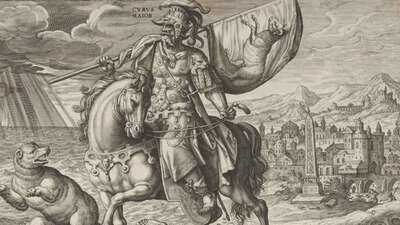
More than 2,500 years ago, the Persian king Cyrus the Great noticed this self-defeating habit in human nature. "All men have their frailties; and whoever looks for a friend without imperfections, will never find what he seeks," he warned.
This simple idea challenges the romantic belief that we must find perfect people to build meaningful relationships. It suggests that real companionship is not about discovering someone without faults, but about choosing to accept and understand an imperfect person. In a world increasingly shaped by carefully edited public images, the ancient king’s advice offers a reminder of how human relationships truly work. And how being imperfect is what makes a human, a human.
A ruler who governed through grace
To understand why Cyrus the Great developed this view, we must look at the challenges of the 6th century BC. As the founder of the Achaemenid Empire, Cyrus did not rule only through fear and violence, which had been common under earlier empires. Instead, he built his power by creating alliances among people with different cultures, languages, and religions.
His ideas about human nature are recorded in the Cyropaedia, a biography written by the Greek historian Xenophon in the fourth century BC. Although Xenophon’s work presents an idealised or biased image of Cyrus as a perfect ruler, it still shows the practical approach that shaped his leadership.
Cyrus understood that complete perfection was impossible. To create and maintain his empire, he depended on a mixture of Median commanders, Babylonian officials, and local leaders from conquered regions. If he had demanded complete loyalty, moral perfection, or political agreement from everyone around him, his empire would not have survived.
By accepting that "all men have their frailties," Cyrus created a system where former enemies could become trusted members of his government. This practical acceptance of human weakness helped him control the largest empire the world had seen at that time, showing that leaders who understand human flaws can achieve more than those who demand impossible standards.
The philosophy of the 'flawed companion'
The deeper meaning behind Cyrus’s words connects with classical ideas about virtue and friendship. In his
, the Greek philosopher
later described the highest form of friendship as the "friendship of virtue". This type of friendship is based on people helping each other become better. However, Aristotle did not argue that friends must already be perfect. Instead, they should support each other’s growth.
When we expect a friend to have no flaws, we confuse the purpose of friendship with its beginning. A relationship is not a finished product that we simply choose and own. It is something that develops through patience, understanding, and adjustment. Expecting someone to have no weaknesses means denying their humanity and treating them like an ideal object created only to meet our expectations. Or in modern words, looking for a robot.
Rejecting people because of their flaws can also come from ignoring our own weaknesses. The Roman philosopher
wrote about the importance of patience in human relationships, arguing that people must forgive each other because everyone has faults. Cyrus’s message follows this same idea. By accepting that others will sometimes disappoint us, we become better prepared to handle those moments without destroying valuable relationships.
The search for the perfect person?
The desire to find flawless friends has become even stronger because of modern technology. Algorithms now connect us with people who share similar opinions, interests, lifestyles, and preferences. This level of personalisation has created a world where even small disagreements can appear like major reasons to reject someone. This idea has isolated and restricted humans into their own comfortable shells.
In workplaces, this refusal to accept mistakes can create problems with trust and communication. Harvard Business School professor Amy Edmondson has studied how successful teams need psychological safety .... an environment where people can admit mistakes and show vulnerability without fear of punishment. When managers and colleagues expect perfection, they do not create perfect workers. Instead, employees often hide problems, which can lead to larger failures.
More than 2,500 years ago, the Persian king Cyrus the Great noticed this self-defeating habit in human nature. "All men have their frailties; and whoever looks for a friend without imperfections, will never find what he seeks," he warned.
This simple idea challenges the romantic belief that we must find perfect people to build meaningful relationships. It suggests that real companionship is not about discovering someone without faults, but about choosing to accept and understand an imperfect person. In a world increasingly shaped by carefully edited public images, the ancient king’s advice offers a reminder of how human relationships truly work. And how being imperfect is what makes a human, a human.
A ruler who governed through grace
To understand why Cyrus the Great developed this view, we must look at the challenges of the 6th century BC. As the founder of the Achaemenid Empire, Cyrus did not rule only through fear and violence, which had been common under earlier empires. Instead, he built his power by creating alliances among people with different cultures, languages, and religions.
His ideas about human nature are recorded in the Cyropaedia, a biography written by the Greek historian Xenophon in the fourth century BC. Although Xenophon’s work presents an idealised or biased image of Cyrus as a perfect ruler, it still shows the practical approach that shaped his leadership.
Cyrus understood that complete perfection was impossible. To create and maintain his empire, he depended on a mixture of Median commanders, Babylonian officials, and local leaders from conquered regions. If he had demanded complete loyalty, moral perfection, or political agreement from everyone around him, his empire would not have survived.
By accepting that "all men have their frailties," Cyrus created a system where former enemies could become trusted members of his government. This practical acceptance of human weakness helped him control the largest empire the world had seen at that time, showing that leaders who understand human flaws can achieve more than those who demand impossible standards.
The philosophy of the 'flawed companion'
The deeper meaning behind Cyrus’s words connects with classical ideas about virtue and friendship. In his
, the Greek philosopher
later described the highest form of friendship as the "friendship of virtue". This type of friendship is based on people helping each other become better. However, Aristotle did not argue that friends must already be perfect. Instead, they should support each other’s growth.
When we expect a friend to have no flaws, we confuse the purpose of friendship with its beginning. A relationship is not a finished product that we simply choose and own. It is something that develops through patience, understanding, and adjustment. Expecting someone to have no weaknesses means denying their humanity and treating them like an ideal object created only to meet our expectations. Or in modern words, looking for a robot.
Rejecting people because of their flaws can also come from ignoring our own weaknesses. The Roman philosopher
wrote about the importance of patience in human relationships, arguing that people must forgive each other because everyone has faults. Cyrus’s message follows this same idea. By accepting that others will sometimes disappoint us, we become better prepared to handle those moments without destroying valuable relationships.
The search for the perfect person?
The desire to find flawless friends has become even stronger because of modern technology. Algorithms now connect us with people who share similar opinions, interests, lifestyles, and preferences. This level of personalisation has created a world where even small disagreements can appear like major reasons to reject someone. This idea has isolated and restricted humans into their own comfortable shells.
In workplaces, this refusal to accept mistakes can create problems with trust and communication. Harvard Business School professor Amy Edmondson has studied how successful teams need psychological safety .... an environment where people can admit mistakes and show vulnerability without fear of punishment. When managers and colleagues expect perfection, they do not create perfect workers. Instead, employees often hide problems, which can lead to larger failures.
Next Story