
Quote of the day by Napoleon Bonaparte: 'Impossible is a word to be found only in the dictionary of fools'


" Impossible is a word to be found only in the dictionary of fools ."
Some quotes are remembered for their words, while others endure because of the extraordinary lives of the people who said them. This famous quote, widely attributed to Napoleon Bonaparte, is one such example. More than two centuries after his lifetime, it continues to inspire leaders, entrepreneurs, athletes, soldiers and students across the world.
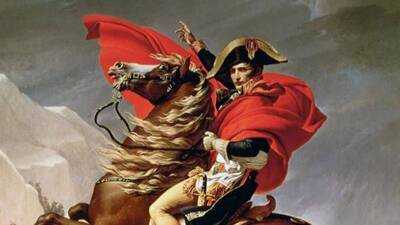
Napoleon Bonaparte was one of history's most remarkable military commanders and political leaders. Born in Corsica in 1769, he rose through the ranks of the French Army during the French Revolution and, through exceptional military talent and unwavering ambition, became the Emperor of France.
His campaigns reshaped the political landscape of Europe, while his administrative reforms, particularly the Napoleonic Code, left a lasting influence on legal systems across the world. Even today, military academies study his campaigns as examples of strategic brilliance, leadership and decision-making under pressure.
Among the many ideas associated with Napoleon, few have become as timeless as the statement:
Meaning of the Quote
At first glance, the quote appears to be a simple call for confidence. However, its true meaning runs much deeper.
Napoleon believed that the word "impossible" often reflects a person's mindset rather than reality. People frequently dismiss ambitious goals as unattainable before making a genuine effort to achieve them. In doing so, they allow fear, self-doubt and uncertainty to define the limits of their potential.
The quote does not suggest that every challenge is easy or that success comes without setbacks. Instead, it encourages people to reject defeatist thinking and approach obstacles with determination, preparation and the willingness to find solutions.
For Napoleon, history was shaped by individuals who refused to accept conventional limits. Great achievements were rarely accomplished by those who accepted that something could not be done. They were achieved by those who questioned accepted beliefs, challenged expectations and persevered despite overwhelming odds.
In essence, the quote reminds us that the greatest obstacle is often not the challenge itself, but the belief that the challenge cannot be overcome.
What Does This Quote Signify?
This quote represents courage, resilience and the power of belief in one's own abilities.
It reflects the importance of replacing excuses with action, fear with confidence and hesitation with determination. Rather than accepting limitations imposed by circumstances or by the opinions of others, it encourages individuals to focus on what can be achieved through commitment, discipline and perseverance.
The quote also highlights an important leadership principle. Great leaders are often distinguished by their ability to see opportunities where others see barriers. They inspire people to think beyond immediate difficulties and pursue goals that initially appear impossible.
Why Is This Quote Still Relevant Today?
Although Napoleon lived more than 200 years ago, the message behind his words remains remarkably relevant.
Modern life presents different kinds of challenges than those faced on the battlefields of Europe, but the underlying mindset remains the same. Students preparing for competitive examinations, entrepreneurs launching new businesses, scientists pursuing groundbreaking discoveries, athletes striving for excellence and professionals building successful careers all encounter moments when their ambitions seem beyond reach.
History repeatedly shows that many of humanity's greatest achievements were once considered impossible. Landing on the Moon, developing life-saving vaccines, connecting billions of people through the internet and countless technological breakthroughs were all dismissed as unrealistic before they became reality.
Napoleon's quote reminds us that progress begins by questioning perceived limitations. While success always requires hard work, preparation and resilience, it also requires the willingness to believe that seemingly impossible goals may, in fact, be achievable.
Some quotes are remembered for their words, while others endure because of the extraordinary lives of the people who said them. This famous quote, widely attributed to Napoleon Bonaparte, is one such example. More than two centuries after his lifetime, it continues to inspire leaders, entrepreneurs, athletes, soldiers and students across the world.
Napoleon Bonaparte was one of history's most remarkable military commanders and political leaders. Born in Corsica in 1769, he rose through the ranks of the French Army during the French Revolution and, through exceptional military talent and unwavering ambition, became the Emperor of France.
His campaigns reshaped the political landscape of Europe, while his administrative reforms, particularly the Napoleonic Code, left a lasting influence on legal systems across the world. Even today, military academies study his campaigns as examples of strategic brilliance, leadership and decision-making under pressure.
Among the many ideas associated with Napoleon, few have become as timeless as the statement:
Meaning of the Quote
At first glance, the quote appears to be a simple call for confidence. However, its true meaning runs much deeper.
Napoleon believed that the word "impossible" often reflects a person's mindset rather than reality. People frequently dismiss ambitious goals as unattainable before making a genuine effort to achieve them. In doing so, they allow fear, self-doubt and uncertainty to define the limits of their potential.
The quote does not suggest that every challenge is easy or that success comes without setbacks. Instead, it encourages people to reject defeatist thinking and approach obstacles with determination, preparation and the willingness to find solutions.
For Napoleon, history was shaped by individuals who refused to accept conventional limits. Great achievements were rarely accomplished by those who accepted that something could not be done. They were achieved by those who questioned accepted beliefs, challenged expectations and persevered despite overwhelming odds.
In essence, the quote reminds us that the greatest obstacle is often not the challenge itself, but the belief that the challenge cannot be overcome.
What Does This Quote Signify?
This quote represents courage, resilience and the power of belief in one's own abilities.
It reflects the importance of replacing excuses with action, fear with confidence and hesitation with determination. Rather than accepting limitations imposed by circumstances or by the opinions of others, it encourages individuals to focus on what can be achieved through commitment, discipline and perseverance.
The quote also highlights an important leadership principle. Great leaders are often distinguished by their ability to see opportunities where others see barriers. They inspire people to think beyond immediate difficulties and pursue goals that initially appear impossible.
Why Is This Quote Still Relevant Today?
Although Napoleon lived more than 200 years ago, the message behind his words remains remarkably relevant.
Modern life presents different kinds of challenges than those faced on the battlefields of Europe, but the underlying mindset remains the same. Students preparing for competitive examinations, entrepreneurs launching new businesses, scientists pursuing groundbreaking discoveries, athletes striving for excellence and professionals building successful careers all encounter moments when their ambitions seem beyond reach.
History repeatedly shows that many of humanity's greatest achievements were once considered impossible. Landing on the Moon, developing life-saving vaccines, connecting billions of people through the internet and countless technological breakthroughs were all dismissed as unrealistic before they became reality.
Napoleon's quote reminds us that progress begins by questioning perceived limitations. While success always requires hard work, preparation and resilience, it also requires the willingness to believe that seemingly impossible goals may, in fact, be achievable.
Next Story