
How Satellite Internet Is Bringing High-Speed Connectivity to the World’s Remote Regions

A stable internet connection has become essential for modern life, but billions of people around the world still struggle with limited or unreliable access. Satellite internet is emerging as one of the most important developments in the space economy, using networks of satellites orbiting above Earth to deliver high-speed connectivity to places where traditional infrastructure is difficult to build. From remote villages and ships at sea to disaster zones and aircraft, space-based communication is changing how people access the digital world. As private space companies launch thousands of satellites into orbit, satellite internet is moving from a futuristic idea to a practical technology shaping global communication.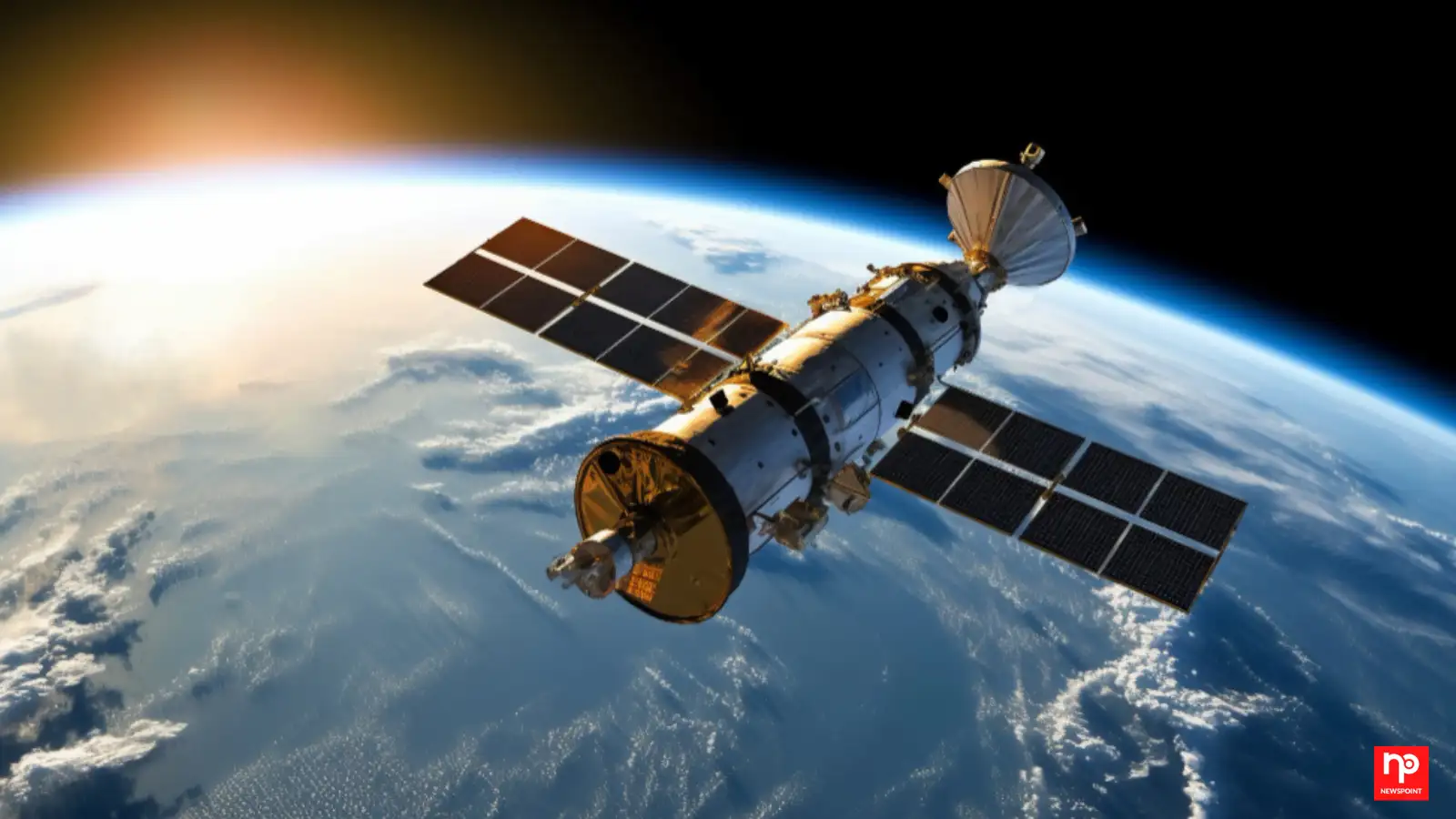
The arrival of new satellite internet networks has changed the industry. Companies are now developing large groups of small satellites, known as satellite constellations, that operate closer to Earth. These low Earth orbit satellites can provide faster connections with lower delays compared with older systems.
One of the most recognised projects in this field is Starlink , which aims to provide global broadband coverage through thousands of satellites. Other companies and organisations are also investing in similar technologies to compete in the growing satellite internet market.
A user’s satellite dish communicates with satellites passing overhead, which then connect with ground stations and internet networks. This technology makes it possible to provide internet access in areas where installing fibre cables or mobile infrastructure would be too expensive or physically challenging.
Remote communities, islands, deserts, and mountainous regions can particularly benefit from this approach. In some cases, satellite internet can provide connectivity within days after natural disasters when traditional communication systems have been damaged.
Farmers can use internet-connected technology to monitor crops and improve productivity. Emergency teams can communicate more effectively during disasters. Airlines and shipping companies can offer better connectivity to passengers and crews.
In developing regions, improved internet access can support online education, digital healthcare services, and financial technology. A student living in a remote area could gain access to the same online learning resources as someone in a major city.
The expansion of satellite internet could help reduce the global digital divide by making connectivity available in areas that traditional networks have struggled to reach.
Another issue is affordability. While satellite internet can reach remote locations, equipment costs and subscription prices may still be difficult for some communities to manage.
There are also concerns about the impact of large satellite constellations on astronomy. Bright satellites can interfere with observations of the night sky, leading researchers and companies to explore solutions that reduce their visibility.
As more private space companies invest in satellite networks, the technology is expected to improve further with faster speeds, better coverage, and lower costs.
The future internet may not depend only on cables beneath our feet or towers around our cities. Instead, thousands of satellites above Earth could become a crucial part of the global communication system, bringing the digital world closer to everyone, regardless of location.
The Rise of Satellite Internet Technology
For many years, satellite communication was mainly used by governments, military organisations, and large corporations. Traditional communication satellites operated from high Earth orbit and provided services such as television broadcasting and international phone connections.The arrival of new satellite internet networks has changed the industry. Companies are now developing large groups of small satellites, known as satellite constellations, that operate closer to Earth. These low Earth orbit satellites can provide faster connections with lower delays compared with older systems.
One of the most recognised projects in this field is Starlink , which aims to provide global broadband coverage through thousands of satellites. Other companies and organisations are also investing in similar technologies to compete in the growing satellite internet market.
How Satellite Internet Works
Unlike traditional broadband networks that rely on underground cables and mobile towers, satellite internet sends data between Earth and satellites orbiting above the planet.A user’s satellite dish communicates with satellites passing overhead, which then connect with ground stations and internet networks. This technology makes it possible to provide internet access in areas where installing fibre cables or mobile infrastructure would be too expensive or physically challenging.
Remote communities, islands, deserts, and mountainous regions can particularly benefit from this approach. In some cases, satellite internet can provide connectivity within days after natural disasters when traditional communication systems have been damaged.
The Impact on Everyday Life and Businesses
Satellite internet is not only about connecting individuals. It has the potential to transform industries and public services around the world.Farmers can use internet-connected technology to monitor crops and improve productivity. Emergency teams can communicate more effectively during disasters. Airlines and shipping companies can offer better connectivity to passengers and crews.
You may also like
- Armed forces see major leadership reshuffle as new commanders take charge
- Hidden wonder: Poland's 700-year-old underground salt mine is a hidden city of chapels, lakes and sculptures carved from salt
- Venezuela appreciates Indian team's efforts to help earthquake victims
- Russia's 28,000-tonne nuclear cruiser is back at sea — and NATO will be watching
- Monaco blast: Ukrainian tycoon and family injured, attacker flees to France
In developing regions, improved internet access can support online education, digital healthcare services, and financial technology. A student living in a remote area could gain access to the same online learning resources as someone in a major city.
The expansion of satellite internet could help reduce the global digital divide by making connectivity available in areas that traditional networks have struggled to reach.
Hidden Challenges Behind the Satellite Internet Boom
Although satellite internet offers enormous opportunities, it also presents challenges. Thousands of satellites in low Earth orbit increase concerns about space debris and overcrowding. Scientists and regulators are working on ways to ensure responsible satellite operations.Another issue is affordability. While satellite internet can reach remote locations, equipment costs and subscription prices may still be difficult for some communities to manage.
There are also concerns about the impact of large satellite constellations on astronomy. Bright satellites can interfere with observations of the night sky, leading researchers and companies to explore solutions that reduce their visibility.
Why Satellite Internet Matters in the Future
The growth of satellite internet represents a major shift in the global space economy. Connectivity is no longer limited to technology on the ground; it is becoming a service delivered from orbit.As more private space companies invest in satellite networks, the technology is expected to improve further with faster speeds, better coverage, and lower costs.
The future internet may not depend only on cables beneath our feet or towers around our cities. Instead, thousands of satellites above Earth could become a crucial part of the global communication system, bringing the digital world closer to everyone, regardless of location.






More from our partners


Loving Newspoint? Download the app now
