
How Satellite Internet Is Bringing High-Speed Connectivity to the World’s Remote Regions

A stable internet connection has become essential for modern life, but billions of people around the world still struggle with limited or unreliable access. Satellite internet is emerging as one of the most important developments in the space economy, using networks of satellites orbiting above Earth to deliver high-speed connectivity to places where traditional infrastructure is difficult to build. From remote villages and ships at sea to disaster zones and aircraft, space-based communication is changing how people access the digital world. As private space companies launch thousands of satellites into orbit, satellite internet is moving from a futuristic idea to a practical technology shaping global communication.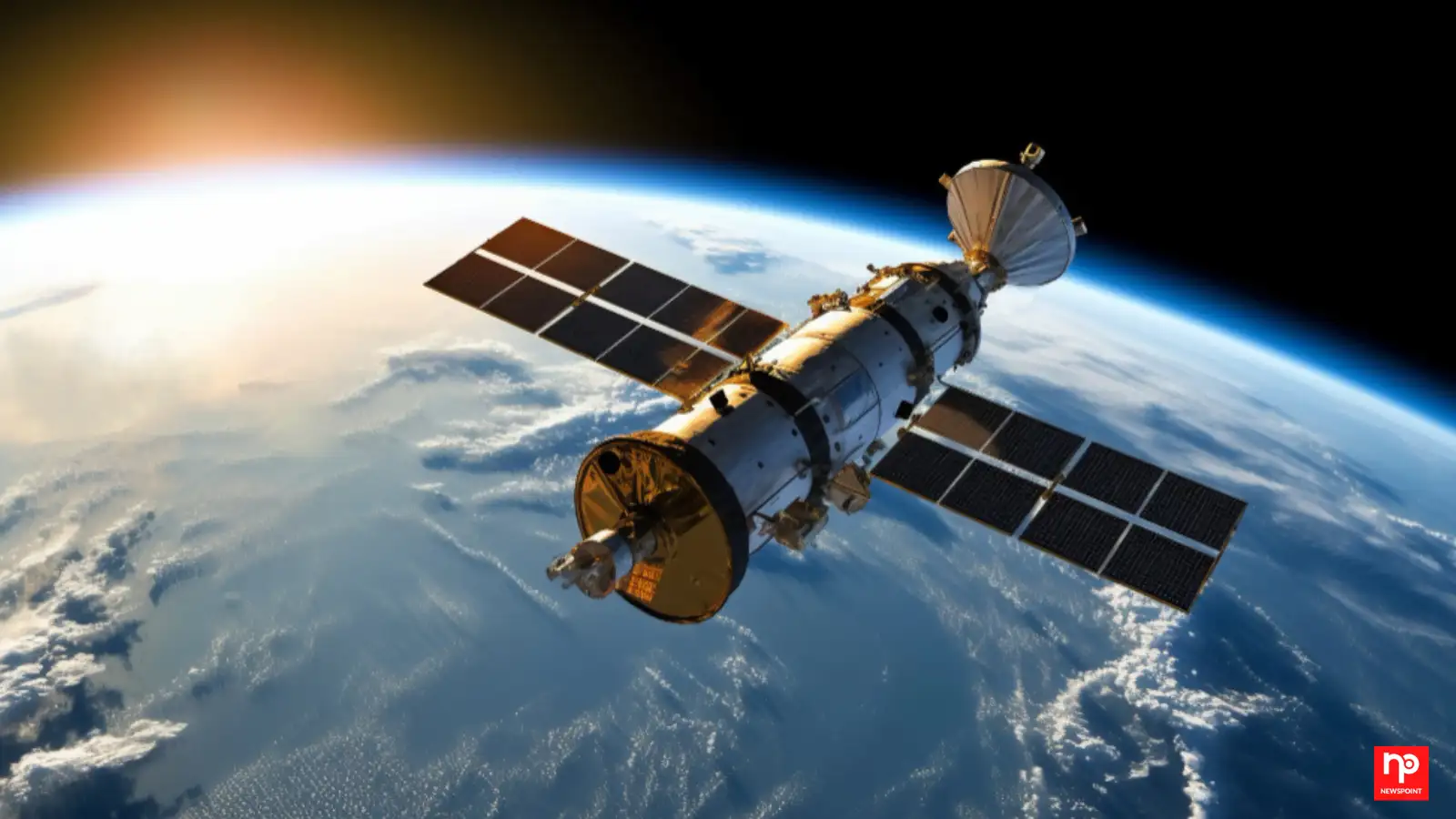
The arrival of new satellite internet networks has changed the industry. Companies are now developing large groups of small satellites, known as satellite constellations, that operate closer to Earth. These low Earth orbit satellites can provide faster connections with lower delays compared with older systems.
One of the most recognised projects in this field is Starlink , which aims to provide global broadband coverage through thousands of satellites. Other companies and organisations are also investing in similar technologies to compete in the growing satellite internet market.
A user’s satellite dish communicates with satellites passing overhead, which then connect with ground stations and internet networks. This technology makes it possible to provide internet access in areas where installing fibre cables or mobile infrastructure would be too expensive or physically challenging.
Remote communities, islands, deserts, and mountainous regions can particularly benefit from this approach. In some cases, satellite internet can provide connectivity within days after natural disasters when traditional communication systems have been damaged.
Farmers can use internet-connected technology to monitor crops and improve productivity. Emergency teams can communicate more effectively during disasters. Airlines and shipping companies can offer better connectivity to passengers and crews.
The Rise of Satellite Internet Technology
For many years, satellite communication was mainly used by governments, military organisations, and large corporations. Traditional communication satellites operated from high Earth orbit and provided services such as television broadcasting and international phone connections.The arrival of new satellite internet networks has changed the industry. Companies are now developing large groups of small satellites, known as satellite constellations, that operate closer to Earth. These low Earth orbit satellites can provide faster connections with lower delays compared with older systems.
One of the most recognised projects in this field is Starlink , which aims to provide global broadband coverage through thousands of satellites. Other companies and organisations are also investing in similar technologies to compete in the growing satellite internet market.
How Satellite Internet Works
Unlike traditional broadband networks that rely on underground cables and mobile towers, satellite internet sends data between Earth and satellites orbiting above the planet.A user’s satellite dish communicates with satellites passing overhead, which then connect with ground stations and internet networks. This technology makes it possible to provide internet access in areas where installing fibre cables or mobile infrastructure would be too expensive or physically challenging.
Remote communities, islands, deserts, and mountainous regions can particularly benefit from this approach. In some cases, satellite internet can provide connectivity within days after natural disasters when traditional communication systems have been damaged.
The Impact on Everyday Life and Businesses
Satellite internet is not only about connecting individuals. It has the potential to transform industries and public services around the world.Farmers can use internet-connected technology to monitor crops and improve productivity. Emergency teams can communicate more effectively during disasters. Airlines and shipping companies can offer better connectivity to passengers and crews.
Next Story