
Sheikh Hasina's Son Calls August 5 a Solemn Reminder and Pledges Fight to Restore Democracy

Marking two years since former Bangladesh Prime Minister Sheikh Hasina was removed from power following a student-led mass uprising in 2024, her former adviser and son, Sajeeb Wazed Joy, has issued a public statement reflecting on the political transition . Describing the date of 5 August as a solemn reminder of national vulnerability, he claimed that political instability spreads when extremist elements and power-hungry groups exploit moments of national uncertainty.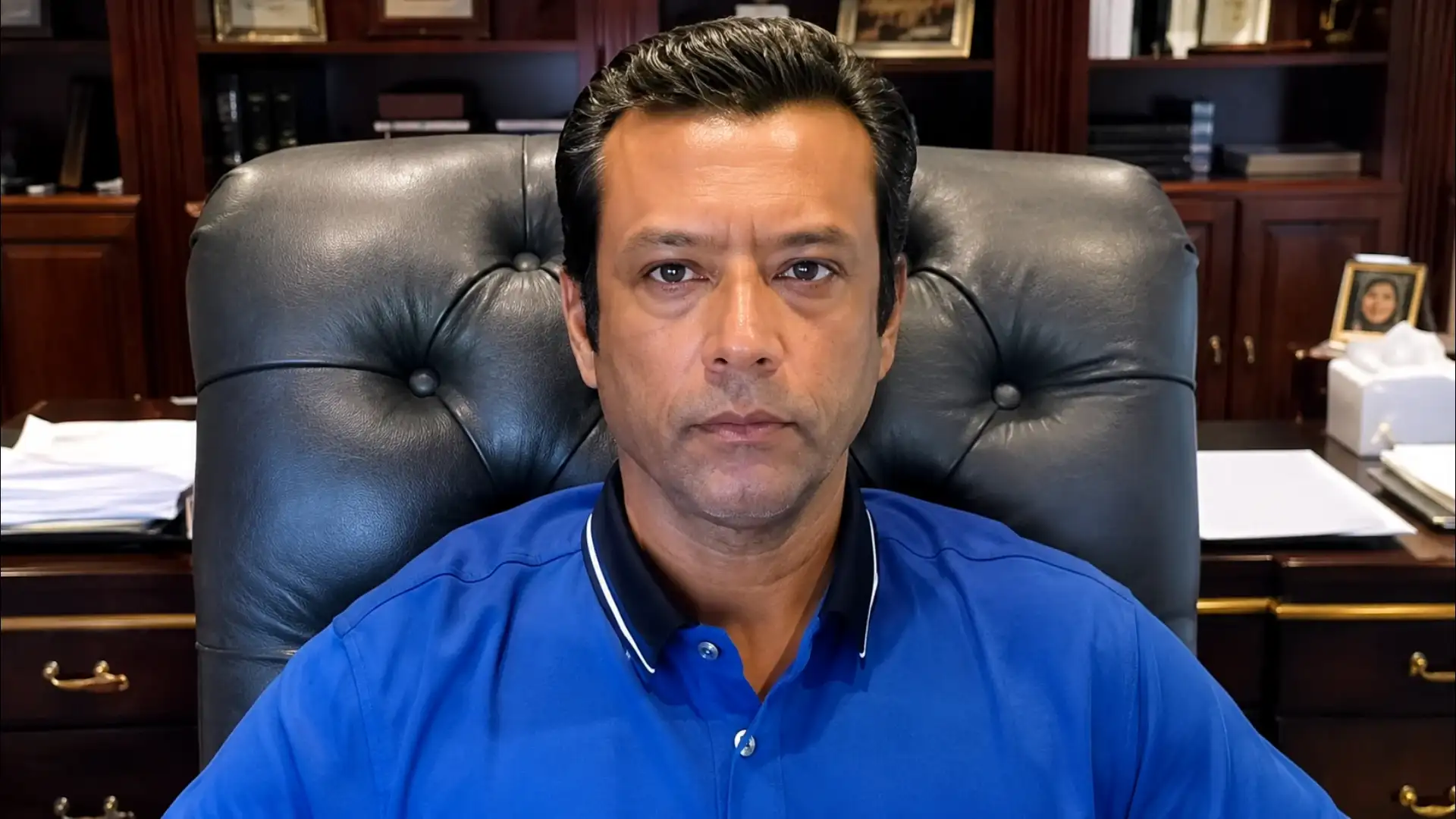
Posting on social media platform X, Wazed asserted that domestic and foreign conspiracies combined to disrupt the democratic continuity of Bangladesh in August 2024. He maintained that the consequences of those events extended far beyond political realignments, triggering widespread disruption across almost every socio-economic sector in the country.
According to Wazed, the broader public has suffered due to rising living costs, disruptions to agriculture, and strain across public healthcare systems. Farmers, factory workers, teachers, civil servants, and university students have faced continuous uncertainty. He argued that these ongoing issues demonstrate why strong state institutions, accountable governance, and constitutional stability are essential for long-term national prosperity.
Despite the challenges facing his party, Wazed voiced confidence in the resilience of the Bangladeshi electorate. He pledged that the Awami League , despite experiencing restrictions on its formal political activities within the country, remains committed to advocating for democratic principles, secular values, and economic growth. He urged citizens to maintain patience and unity as they work collectively toward restoring national stability.
Following the 2024 transition, Nobel laureate Muhammad Yunus initially led an interim administration to stabilize state operations. General elections were subsequently held earlier this year, resulting in a victory for the Bangladesh Nationalist Party (BNP) under Prime Minister Tarique Rahman . Nevertheless, political commentators observe that rebuilding public trust, reviving the economy, and maintaining regional diplomatic harmony remain critical challenges for the current administration in Dhaka.
Posting on social media platform X, Wazed asserted that domestic and foreign conspiracies combined to disrupt the democratic continuity of Bangladesh in August 2024. He maintained that the consequences of those events extended far beyond political realignments, triggering widespread disruption across almost every socio-economic sector in the country.
Economic Deterioration and Public Sector Challenges
In his message to Bangladeshi citizens, Wazed highlighted the severe hurdles the country has faced since the 2024 political upheaval. He pointed out that the loss of administrative stability led to a breakdown in law and order, a decline in business confidence, reduced foreign investment, and economic stagnation that directly harmed everyday working families.You may also like
- Seven blasts rock Dubai's Jebel Ali as massive fire erupts near strategic port amid Iran war
- Portuguese PM backs migration policy amid EU border concerns
- Southern Philippines jolted by powerful 6.3-magnitude earthquake
- 'Attack against Christians': US Congressman slams India's FCRA Bill
- From free speech to religion and press - US courts find Trump admin violated rights in 75 rulings
According to Wazed, the broader public has suffered due to rising living costs, disruptions to agriculture, and strain across public healthcare systems. Farmers, factory workers, teachers, civil servants, and university students have faced continuous uncertainty. He argued that these ongoing issues demonstrate why strong state institutions, accountable governance, and constitutional stability are essential for long-term national prosperity.
Condolences for Victims of Political Violence
Addressing the human toll of the 2024 crisis, Wazed expressed deep sympathy for families who lost loved ones during the nationwide violence in July and August two years ago. He paid tribute to political workers, police personnel, and innocent bystanders who lost their lives during the unrest, emphasizing that every casualty was a tragedy that deserved respect and deep compassion.Despite the challenges facing his party, Wazed voiced confidence in the resilience of the Bangladeshi electorate. He pledged that the Awami League , despite experiencing restrictions on its formal political activities within the country, remains committed to advocating for democratic principles, secular values, and economic growth. He urged citizens to maintain patience and unity as they work collectively toward restoring national stability.
Diplomatic Context and Regional Developments
Wazed’s statement coincided with plans for Sheikh Hasina to deliver a virtual public address hosted by the Foreign Correspondents' Club (FCC) of South Asia in New Delhi. The planned event attracted attention across the region, leading the Ministry of External Affairs (MEA) in India to clarify its official stance. Indian government spokespersons noted that the interaction was being conducted independently by a private media body and carried no official state sponsorship or endorsement.Following the 2024 transition, Nobel laureate Muhammad Yunus initially led an interim administration to stabilize state operations. General elections were subsequently held earlier this year, resulting in a victory for the Bangladesh Nationalist Party (BNP) under Prime Minister Tarique Rahman . Nevertheless, political commentators observe that rebuilding public trust, reviving the economy, and maintaining regional diplomatic harmony remain critical challenges for the current administration in Dhaka.






Loving Newspoint? Download the app now
