
Why Singapore Banned Chewing Gum in 1992

Singapore's chewing gum ban is one of the world's most unusual laws, often discussed as a symbol of the country's strict rules. Introduced in 1992, the Singapore chewing gum ban restricted the sale and import of chewing gum to tackle problems caused by discarded gum in public spaces and on public transport. But what led Singapore to take such a drastic step, and why does the ban continue to attract global attention?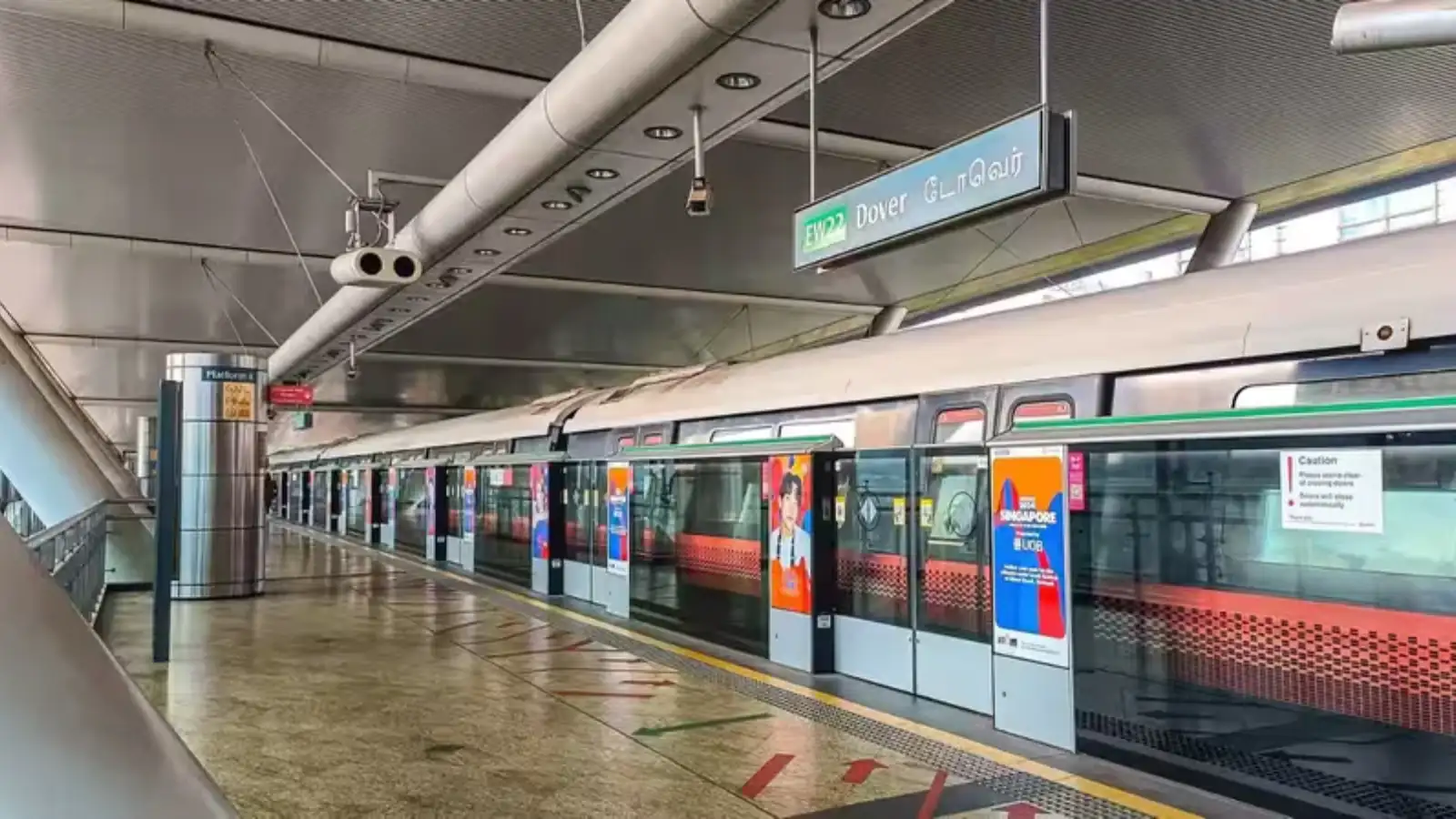
The Problem That Made the Law
The ban traces directly to the Mass Rapid Transit system, Singapore's subway, which opened in 1987. Within a few years, maintenance crews were reporting a consistent problem: chewing gum pressed into the door sensors along the platform edge. The sensors detected whether a door was fully clear before the train moved. Gum in the sensor meant the sensor read the door as obstructed. A train held at a station waiting for a sensor to clear costs time, and on a system designed to run trains every few minutes, delays compound quickly. The MRT was a point of national pride and a major infrastructure investment. Gum was costing it reliability.The Decision and How It Was Made
The government under Prime Minister Goh Chok Tong moved fast. The ban took effect in January 1992. It targeted the supply chain rather than the user: importing gum for sale, manufacturing it, and selling it became offences. Carrying a stick of gum across the border for personal use was not illegal, though the line was narrow enough that most visitors avoided the risk. The fine for selling gum ran high by design. Singapore had long operated on the principle that a deterrent only works if the cost of getting caught exceeds the benefit of the act. The law was enforced, not decorative.The International Reaction
Foreign newspapers, particularly in the United States, treated the ban as evidence of Singapore's authoritarian streak. The Wall Street Journal ran editorials. American politicians cited it as an example of government overreach. Singapore's government largely ignored the criticism. The country had already banned littering with heavy fines, required the flushing of public toilets, and restricted smoking in public spaces well before most Western cities had. The gum ban fit a pattern rather than standing alone. What critics read as control, Singapore's government described as the maintenance of a shared urban environment at scale.The Partial Reversal in 2004
In 2004, Singapore amended the ban as part of the United States-Singapore Free Trade Agreement. American gum manufacturers, particularly Wrigley, had lobbied for access to the market. The amendment allowed therapeutic gum, specifically nicotine gum and dental gum with a therapeutic purpose, to be sold through pharmacies and dental clinics, with the buyer's identity recorded. Recreational gum remained banned. The amendment was narrow by design. Singapore kept the spirit of the original law while satisfying a trade requirement. A visitor today still cannot walk into a convenience store and buy a pack of Juicy Fruit.What the Ban Actually Achieved
MRT sensor interference from gum dropped after the ban. Singapore's public spaces remained, by most accounts, cleaner than comparable cities of similar density. Whether the ban caused the cleanliness or whether Singapore's broader enforcement culture did is genuinely hard to separate. The ban was never the only rule operating. What it demonstrated, and what makes it worth examining, is that a government can solve a very specific infrastructure problem with a very specific law, and that the law does not need to be popular abroad to work at home. Singapore did not ban gum because it disliked gum. It banned gum because gum was breaking its trains.Next Story