
How Pizza Travelled from Naples Street Food to Every Corner of the World

A round of dough, a smear of tomato, a handful of cheese, and somehow this combination crossed oceans, survived two world wars, and ended up on every continent. The story of how pizza got there is really the story of who carried it, and why they left home in the first place.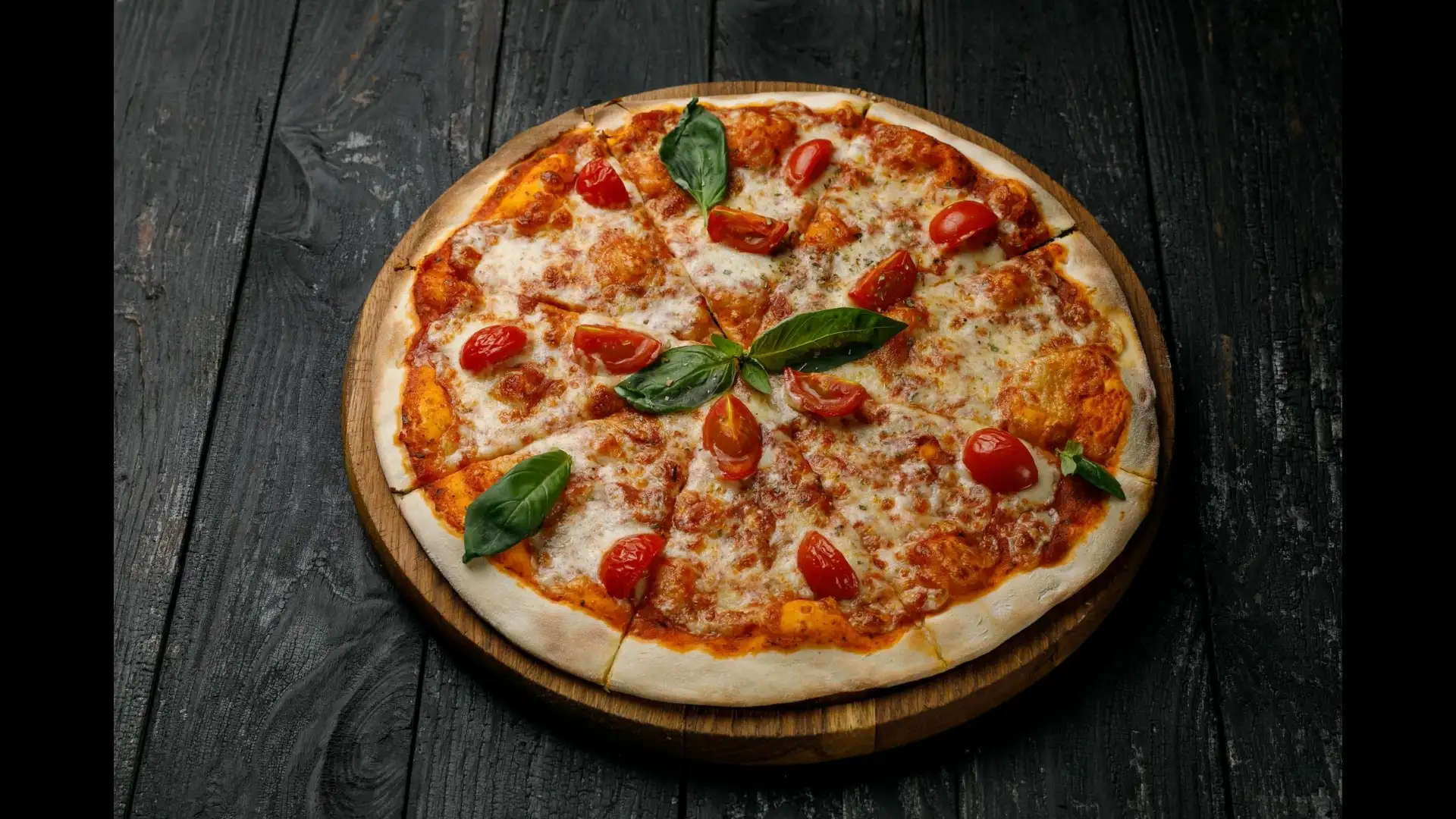
Tomatoes arrived in Europe from the Americas in the sixteenth century, but for a long time educated Europeans believed they were poisonous. The poor of Naples, with less to lose, tried them anyway. By the eighteenth century, tomato-topped flatbreads were being sold by street vendors called pizzaioli, carried in tin stoves balanced on their heads through narrow alleys. This was not restaurant food. It was food eaten standing up, for the price of a few coins.
The pizza that became the global standard, thin crust, tomato, mozzarella, fresh basil, is credited by tradition to a Neapolitan baker named Raffaele Esposito, who made it for a royal visit in the late nineteenth century and named it after the visiting queen. Whether that story is entirely accurate is disputed by food historians, but the pizza itself was already well established long before any royal tasted it.
The first pizzerias in America opened in Italian immigrant neighbourhoods, in New York, in Chicago, in New Haven. For years, pizza stayed within those communities. Then two things happened. The Second World War sent American soldiers to Italy, where many of them ate pizza for the first time. When they came home, they looked for it. At the same time, Italian-American families were moving out of immigrant enclaves into wider American suburbs, and their restaurants followed.
By the middle of the twentieth century, pizza had crossed out of Italian-American culture into mainstream American life. That crossing point matters, because American culture, through its films, its soldiers, its businesses, and its sheer global reach, became the second vehicle that carried pizza outward. When the world encountered pizza in the second half of the twentieth century, it often encountered the American version first.
This adaptability is not accidental. Pizza has almost no rules that cannot be broken without destroying the concept. The base can be thick or thin, crisp or soft. The sauce can be tomato or white or nothing. The toppings are limited only by what is available. This structural openness meant that every culture that adopted pizza could make it their own without feeling they were eating something foreign. They were eating their own ingredients on a familiar shape.
This is not nostalgia. It is the response of a place that invented something and watched it leave, change beyond recognition, and then come back as a global brand with no connection to the original. The certification matters to the bakers of Naples the way a geographical indication matters to a winemaker in Champagne or a cheesemaker in Parmigiano-Reggiano country.
The world's pizza and Naples' pizza now coexist as genuinely different things. Neither is wrong. One is a craft tradition; the other is proof of how far a simple idea can travel when the people who carry it are hungry enough, in every sense of the word.
Pizza crossed the world not because anyone planned it, but because the people who made it were scattered by forces larger than food. What they carried with them was not a recipe so much as a habit, a way of feeding people quickly, cheaply, and well. Every culture that received it found a way to make that habit its own.
Naples Made It Out of Necessity
Pizza as we recognise it was born in Naples, a city that was, for much of its history, densely poor and chronically hungry. The lazzaroni, the city's street poor, needed food that was cheap, fast, and filling. Flatbreads topped with oil, garlic, and salt had existed in the region for centuries. The tomato changed everything.Tomatoes arrived in Europe from the Americas in the sixteenth century, but for a long time educated Europeans believed they were poisonous. The poor of Naples, with less to lose, tried them anyway. By the eighteenth century, tomato-topped flatbreads were being sold by street vendors called pizzaioli, carried in tin stoves balanced on their heads through narrow alleys. This was not restaurant food. It was food eaten standing up, for the price of a few coins.
The pizza that became the global standard, thin crust, tomato, mozzarella, fresh basil, is credited by tradition to a Neapolitan baker named Raffaele Esposito, who made it for a royal visit in the late nineteenth century and named it after the visiting queen. Whether that story is entirely accurate is disputed by food historians, but the pizza itself was already well established long before any royal tasted it.
Migration Did What Marketing Never Could
Pizza did not spread because an Italian company decided to export it. It spread because millions of Italians left. Between the 1880s and the 1920s, a massive wave of Italian emigration, driven by poverty, drought, and political instability in the south, sent more than four million people to the United States alone. Most came from the south, including Naples and its surrounding region. They brought their food with them.The first pizzerias in America opened in Italian immigrant neighbourhoods, in New York, in Chicago, in New Haven. For years, pizza stayed within those communities. Then two things happened. The Second World War sent American soldiers to Italy, where many of them ate pizza for the first time. When they came home, they looked for it. At the same time, Italian-American families were moving out of immigrant enclaves into wider American suburbs, and their restaurants followed.
By the middle of the twentieth century, pizza had crossed out of Italian-American culture into mainstream American life. That crossing point matters, because American culture, through its films, its soldiers, its businesses, and its sheer global reach, became the second vehicle that carried pizza outward. When the world encountered pizza in the second half of the twentieth century, it often encountered the American version first.
Every Country Rewrote the Recipe
What makes pizza's global spread unusual is how completely different cultures absorbed it without treating it as foreign. Japan has been one of the world's largest pizza markets for decades. Japanese pizza tends toward thinner crusts, lighter sauces, and toppings that reflect local taste: mayonnaise, seafood, corn. In India, pizza arrived through international chains in the 1990s and quickly acquired paneer, tikka spice bases, and green chutney drizzles. In Brazil, pizza culture is so embedded in São Paulo that the city has more pizzerias per capita than Naples itself, and a popular topping there is chocolate with banana.This adaptability is not accidental. Pizza has almost no rules that cannot be broken without destroying the concept. The base can be thick or thin, crisp or soft. The sauce can be tomato or white or nothing. The toppings are limited only by what is available. This structural openness meant that every culture that adopted pizza could make it their own without feeling they were eating something foreign. They were eating their own ingredients on a familiar shape.
The Neapolitan Pushback
As pizza became everything to everyone, Naples pushed back. In 2017, the traditional art of Neapolitan pizza-making was added to UNESCO's list of intangible cultural heritage, a formal recognition that the original craft was worth protecting precisely because the global version had drifted so far from it. Vera Pizza Napoletana, a certification body, had already been working for years to define what a true Neapolitan pizza must be: a specific type of flour, San Marzano tomatoes grown in volcanic soil near Vesuvius, buffalo mozzarella from a defined region, a wood-fired oven at a specific temperature, a bake time of no more than ninety seconds.This is not nostalgia. It is the response of a place that invented something and watched it leave, change beyond recognition, and then come back as a global brand with no connection to the original. The certification matters to the bakers of Naples the way a geographical indication matters to a winemaker in Champagne or a cheesemaker in Parmigiano-Reggiano country.
The world's pizza and Naples' pizza now coexist as genuinely different things. Neither is wrong. One is a craft tradition; the other is proof of how far a simple idea can travel when the people who carry it are hungry enough, in every sense of the word.
Pizza crossed the world not because anyone planned it, but because the people who made it were scattered by forces larger than food. What they carried with them was not a recipe so much as a habit, a way of feeding people quickly, cheaply, and well. Every culture that received it found a way to make that habit its own.
Next Story