
Why the Eiffel Tower Was Built to Be Demolished After 20 Years

Paris in 1889 had a deadline problem. The Exposition Universelle, the world's fair celebrating a hundred years since the French Revolution, needed a centrepiece. The city's planners wanted something that announced industrial ambition to every nation sending visitors. What they got was a latticed iron tower, 300 metres tall, assembled from 18,000 structural parts in just over two years. The permit that allowed it to stand came with a condition written into the contract: the tower would be dismantled in 1909, twenty years after the fair closed.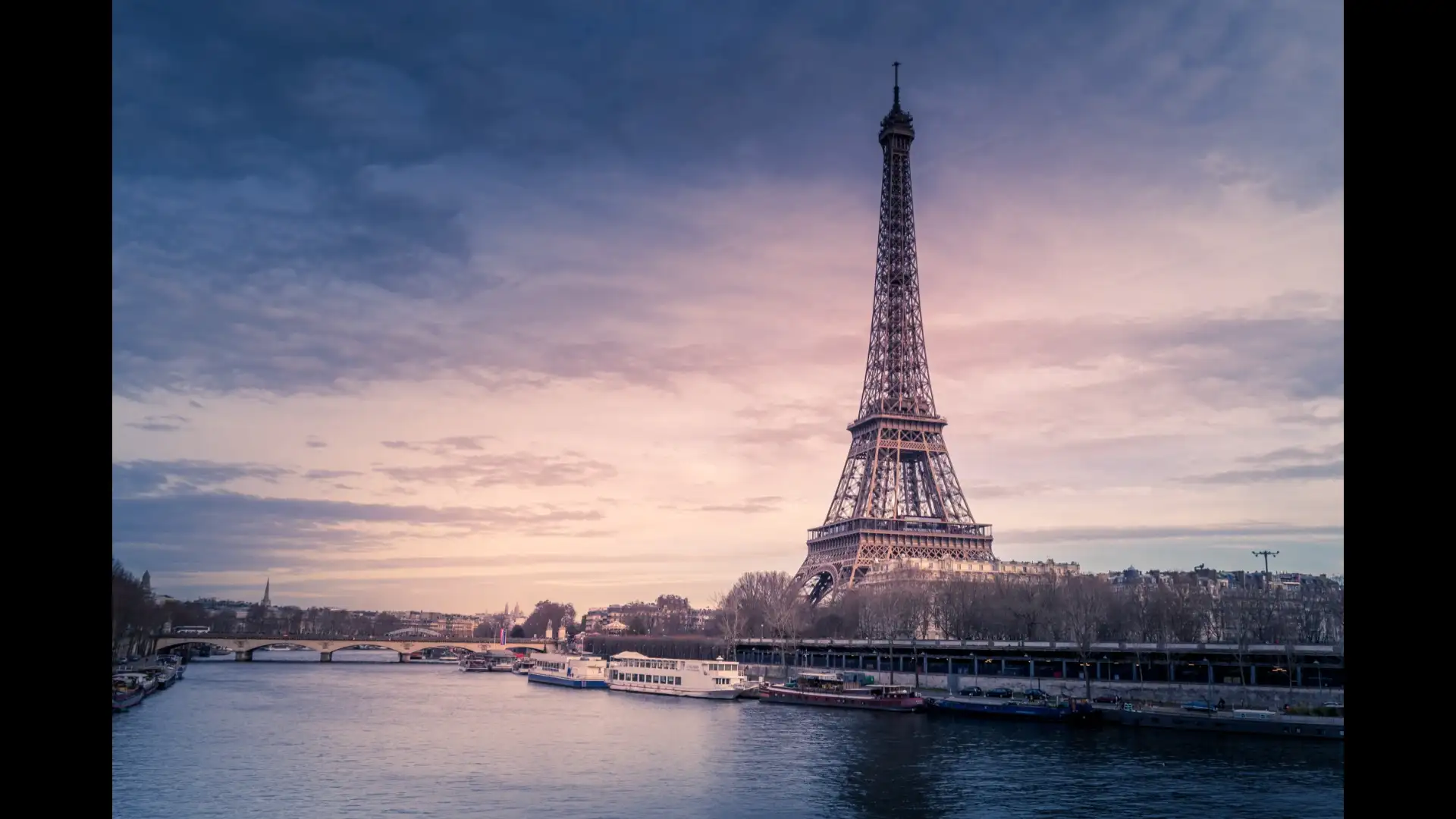
The city's aesthetic establishment was united: this thing was temporary by design, and good riddance when it was gone.
Gustave Eiffel himself understood the politics. He leased the tower from the city for the duration of the fair and for twenty years after, which gave him operational rights and a commercial stake in keeping it profitable. He ran a restaurant, a champagne bar, and a post office inside it. He charged admission. But none of that was enough, on its own, to override the demolition clause.
The French Army began using the tower for radio communications around 1903. By 1906, a permanent wireless station was operating from it. In 1909, the year the demolition order was due to be carried out, the military's case for keeping the tower was strong enough that the city renewed the lease rather than raise a wrecking crew.
The tower had become infrastructure. You do not demolish your own antenna during a period of European tension.
A moment that fixed this in history came in 1914, at the outbreak of the First World War. The tower's transmitters were used to jam German radio communications and, in one documented episode, to intercept a message that led to the capture of the spy Mata Hari. A decorative exhibit had become a piece of national defence.
Eiffel lived until 1923 and watched his tower survive its death sentence by more than a decade. He had understood something that the critics in 1887 had not: a structure that becomes useful is a structure that becomes permanent. Aesthetic objections fade when the thing is doing work that nothing else can do as well.
The tower was never meant to outlast a generation. It outlasted the objectors, the demolition order, two world wars, and the entire era of technology that first made it useful. The antenna is long gone. The tower is still there, not because Paris decided to love it, but because it kept finding new reasons to stay.
A Structure Nobody Wanted to Keep
Before a single rivet was driven, the tower had enemies. A group of Paris's most prominent artists and writers, among them Guy de Maupassant and Charles Garnier, the architect of the Paris Opera, signed an open letter calling it a blot on the skyline. They described it as a gigantic black factory chimney, a hollow candlestick, an iron carcass.The city's aesthetic establishment was united: this thing was temporary by design, and good riddance when it was gone.
Gustave Eiffel himself understood the politics. He leased the tower from the city for the duration of the fair and for twenty years after, which gave him operational rights and a commercial stake in keeping it profitable. He ran a restaurant, a champagne bar, and a post office inside it. He charged admission. But none of that was enough, on its own, to override the demolition clause.
The Radio Mast That Changed Everything
What saved the Eiffel Tower was not sentiment. It was wireless telegraphy. In the early 1900s, the military and the French government were watching a new technology, radio transmission, with serious strategic interest. A tall antenna, fixed at the centre of the capital, could reach far beyond what any ground-level station could manage. The tower was already the tallest structure in the world. It was, in effect, the perfect transmitter mast.The French Army began using the tower for radio communications around 1903. By 1906, a permanent wireless station was operating from it. In 1909, the year the demolition order was due to be carried out, the military's case for keeping the tower was strong enough that the city renewed the lease rather than raise a wrecking crew.
The tower had become infrastructure. You do not demolish your own antenna during a period of European tension.
A moment that fixed this in history came in 1914, at the outbreak of the First World War. The tower's transmitters were used to jam German radio communications and, in one documented episode, to intercept a message that led to the capture of the spy Mata Hari. A decorative exhibit had become a piece of national defence.
How Eiffel Kept Fighting for It
Gustave Eiffel did not simply wait for the military to rescue his tower. He ran a private meteorological station at the top and shared the data with the Paris Observatory. He conducted wind resistance experiments using the structure itself. He funded a laboratory at the base for aerodynamic research. Every scientific use he could attach to the tower was another argument against demolition, and he made the arguments loudly and often.Eiffel lived until 1923 and watched his tower survive its death sentence by more than a decade. He had understood something that the critics in 1887 had not: a structure that becomes useful is a structure that becomes permanent. Aesthetic objections fade when the thing is doing work that nothing else can do as well.
What the Tower's Near-Demolition Reveals
The Eiffel Tower's story sits inside a larger pattern in how cities treat new things. The structures that provoke the loudest objections at their opening, the ones called eyesores, intrusions, industrial monstrosities, are often the ones that survive longest, because they tend to be technically bold enough to find uses their designers never imagined. The ones designed to please everyone from the start often have nothing left to offer once the occasion that prompted them has passed.The tower was never meant to outlast a generation. It outlasted the objectors, the demolition order, two world wars, and the entire era of technology that first made it useful. The antenna is long gone. The tower is still there, not because Paris decided to love it, but because it kept finding new reasons to stay.
Next Story