
How Satellites Quietly Control Our Daily Lives Without Us Even Realising It

Every day, millions of people use technologies that depend on objects orbiting hundreds or thousands of kilometres above Earth. From checking the weather forecast in the morning to using navigation apps while travelling, satellites quietly support many activities that have become part of normal life. Although most people rarely think about them, satellites have transformed communication, transport, agriculture, disaster management, and even scientific research. These silent machines in space have become an invisible foundation of modern society, helping humans understand the planet, connect across continents, and make better decisions in everyday life.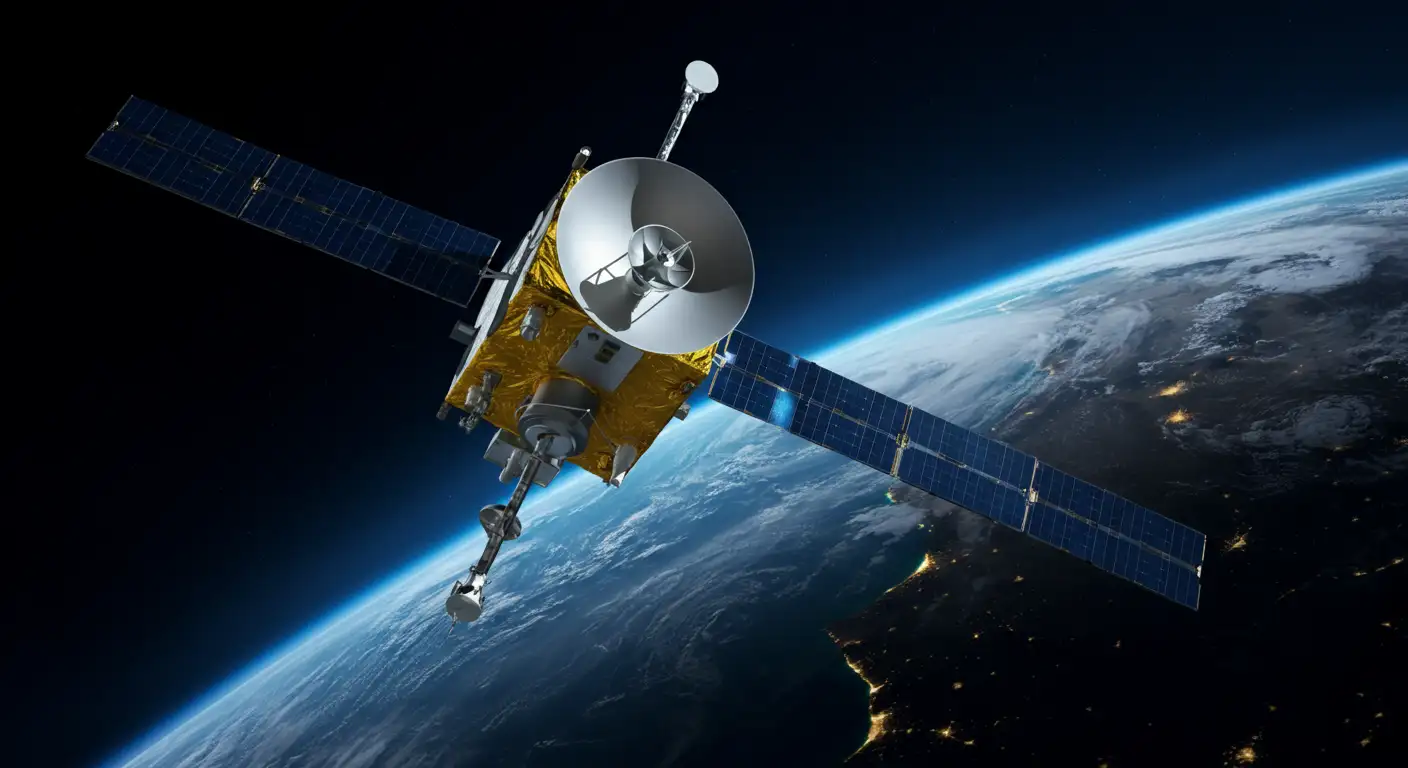
Today, thousands of satellites are operating in space. Some observe Earth, some provide communication services, while others help with scientific discoveries. Although they remain far away from daily life, their influence can be seen almost everywhere.
Satellites help transmit television signals, internet connections, telephone communications, and emergency messages across large distances. They are especially valuable in remote regions where traditional communication infrastructure may not exist.
During natural disasters, when mobile towers and ground networks may fail, satellite communication can help emergency teams coordinate rescue operations and share critical information.
Smartphones, aircraft, ships, delivery services, and emergency responders use satellite positioning to determine accurate locations.
Modern transportation systems rely heavily on satellite navigation. From helping drivers find routes to improving air traffic management, satellites have changed how humans move around the planet.
Meteorologists use satellite data to track hurricanes, cyclones, heatwaves, and other extreme weather events. This information allows governments and communities to prepare before dangerous weather conditions arrive.
Satellites also play a key role in understanding climate change by monitoring changes in glaciers, sea levels, forests, and ocean conditions.
This technology, known as precision agriculture, helps farmers use resources more efficiently. Instead of treating an entire field the same way, satellite data allows farmers to identify areas that need more attention.
In countries where farming supports millions of livelihoods, satellite technology can improve productivity and reduce waste.
Satellites also assist scientists in studying oceans, wildlife movement, deforestation, and natural resources. They provide information that helps researchers understand changes happening across the planet.
Another interesting fact is that some satellites are capable of detecting changes on Earth that are invisible to the human eye, including variations in plant health and underground changes.
Future satellite technology could improve global internet access, support space exploration, and provide even more detailed information about Earth’s changing environment.
However, the growing number of satellites also creates challenges, including space debris and the need for responsible management of Earth’s orbit.
Satellites Are the Invisible Backbone of Modern Technology
Satellites are human-made objects placed into orbit around Earth or other celestial bodies. Their main purpose is to collect information, transmit signals, and provide services that would be impossible or extremely difficult using ground-based technology alone.Today, thousands of satellites are operating in space. Some observe Earth, some provide communication services, while others help with scientific discoveries. Although they remain far away from daily life, their influence can be seen almost everywhere.
How Satellites Power Communication Around the World
One of the most important roles of satellites is global communication. Before advanced satellite networks existed, connecting distant parts of the world was much more difficult.Satellites help transmit television signals, internet connections, telephone communications, and emergency messages across large distances. They are especially valuable in remote regions where traditional communication infrastructure may not exist.
During natural disasters, when mobile towers and ground networks may fail, satellite communication can help emergency teams coordinate rescue operations and share critical information.
Satellites and the Technology Behind GPS Navigation
Many people use navigation apps every day without considering the satellites making them work. Global Positioning System (GPS) technology depends on a network of satellites that send signals to devices on Earth.Smartphones, aircraft, ships, delivery services, and emergency responders use satellite positioning to determine accurate locations.
Modern transportation systems rely heavily on satellite navigation. From helping drivers find routes to improving air traffic management, satellites have changed how humans move around the planet.
Weather Forecasting and Climate Monitoring
Accurate weather predictions are another major contribution of satellites. Weather satellites observe clouds, storms, ocean temperatures, and atmospheric changes from space.Meteorologists use satellite data to track hurricanes, cyclones, heatwaves, and other extreme weather events. This information allows governments and communities to prepare before dangerous weather conditions arrive.
Satellites also play a key role in understanding climate change by monitoring changes in glaciers, sea levels, forests, and ocean conditions.
How Satellites Help Farmers and Food Production
Agriculture has become another area where satellite technology has created major improvements. Farmers can use satellite images to monitor crop health, soil conditions, and water requirements.This technology, known as precision agriculture, helps farmers use resources more efficiently. Instead of treating an entire field the same way, satellite data allows farmers to identify areas that need more attention.
You may also like
- Sri Lanka's new govt struggles with structural dependency on Chinese capital: Report
- Nepal Foreign Minister Shishir Khanal to visit China starting Sunday
- India offers condolences to Thailand over death of Princess Bajrakitiyabha
- 'We'll celebrate our anniversary': Sailor's last promise to wife before US strike on tanker killed three Indians
- Nepal: Eight die, 16 injured in bus accident
In countries where farming supports millions of livelihoods, satellite technology can improve productivity and reduce waste.
Lesser-Known Ways Satellites Affect Everyday Life
Many people do not realise that satellites help with financial systems as well. Banks and financial institutions use satellite-based timing systems to maintain accurate records and support secure transactions.Satellites also assist scientists in studying oceans, wildlife movement, deforestation, and natural resources. They provide information that helps researchers understand changes happening across the planet.
Another interesting fact is that some satellites are capable of detecting changes on Earth that are invisible to the human eye, including variations in plant health and underground changes.
Why Satellites Matter More Than Ever Today
As the world becomes more connected and dependent on technology, satellites are becoming increasingly important. The growth of internet services, climate monitoring, smart transportation, and disaster response all depend on reliable satellite systems.Future satellite technology could improve global internet access, support space exploration, and provide even more detailed information about Earth’s changing environment.
However, the growing number of satellites also creates challenges, including space debris and the need for responsible management of Earth’s orbit.






More from our partners


Loving Newspoint? Download the app now
