
How Scientists Search for Earth-Like Planets Beyond Our Solar System

For thousands of years, humans have looked at the night sky and wondered whether Earth is the only place where life exists. Today, scientists are actively searching for planets beyond our solar system that may share similarities with our own world. These distant planets, known as exoplanets , could hold clues about how planets form, how life begins, and whether humanity is alone in the universe. Finding another Earth is not a simple task because these worlds are incredibly far away and often hidden in the brightness of their parent stars. Yet, advances in astronomy and space technology are bringing scientists closer than ever to answering one of humanity’s biggest questions.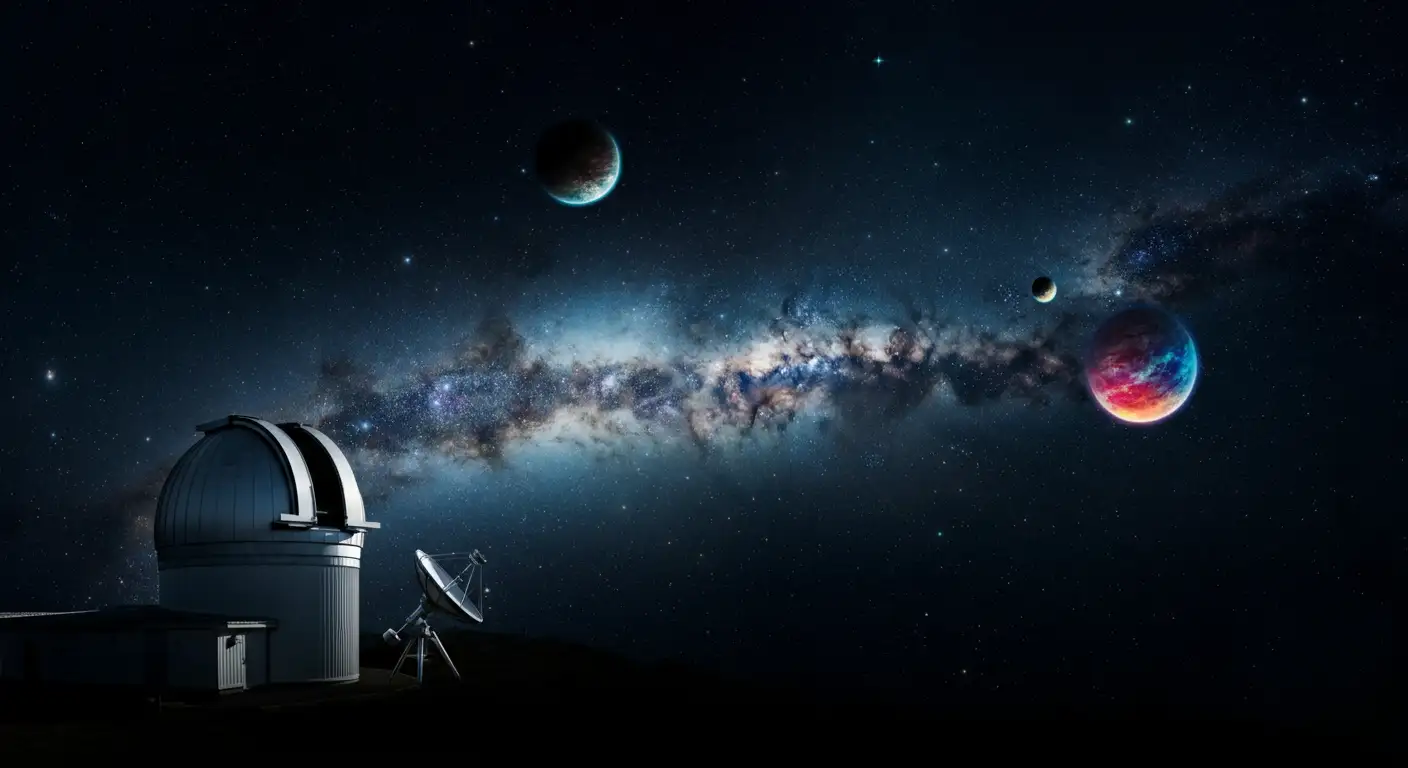
Today, astronomers have discovered thousands of exoplanets using powerful telescopes and advanced detection methods. These discoveries have revealed that planets come in many forms, including giant gas worlds, rocky planets, and even some that may have conditions suitable for life.
The search is not simply about finding planets that look like Earth. Scientists are looking for worlds with the right combination of factors that could allow life to exist.
Water is considered essential for life as we know it. On Earth, every known living organism depends on water in some form. Therefore, finding planets where liquid water could exist is a major focus of modern astronomy.
However, being in the habitable zone does not automatically mean a planet has life. Scientists must also study its atmosphere, chemical composition, and geological conditions.
One common technique is called the transit method. When a planet passes in front of its star from our viewpoint, it slightly blocks the star’s light. By measuring these tiny changes, scientists can estimate the planet’s size and orbit.
Another technique is the radial velocity method. A planet’s gravity can cause its star to move slightly. By observing these movements, astronomers can detect the presence of planets and learn about their masses.
The atmosphere of an exoplanet can provide important clues. When starlight passes through a planet’s atmosphere, scientists can study the light patterns to identify gases present.
Certain gases, such as oxygen, methane, and water vapour, can be interesting because they may be linked to biological activity. However, scientists carefully examine multiple factors because these gases can also be produced through non-living processes.
The James Webb Space Telescope has provided scientists with new capabilities to study distant planets and analyse their atmospheres in greater detail.
Future missions may focus on directly imaging Earth-sized planets and searching for stronger evidence of potentially habitable environments.
Another interesting discovery is that planets are extremely common. Research suggests that most stars in the Milky Way may have at least one planet orbiting them, meaning our galaxy could contain billions of worlds.
Scientists also study planets that may seem unusual because understanding extreme environments helps explain the possibilities of life elsewhere.
These discoveries also encourage technological progress. The tools developed for space research often lead to innovations in imaging, computing, communication, and scientific analysis.
As climate change and resource challenges affect Earth, studying other planets also reminds humanity of the uniqueness and importance of protecting our own world.
The Search for Exoplanets Beyond Our Solar System
An exoplanet is a planet that exists outside our solar system and orbits another star. For a long time, scientists could only study planets within our own solar system. However, the discovery of the first confirmed exoplanets in the 1990s changed our understanding of the universe.Today, astronomers have discovered thousands of exoplanets using powerful telescopes and advanced detection methods. These discoveries have revealed that planets come in many forms, including giant gas worlds, rocky planets, and even some that may have conditions suitable for life.
The search is not simply about finding planets that look like Earth. Scientists are looking for worlds with the right combination of factors that could allow life to exist.
The Importance of the Habitable Zone
One of the most important ideas in the search for Earth-like planets is the habitable zone. This is the region around a star where temperatures may allow liquid water to exist on a planet’s surface.Water is considered essential for life as we know it. On Earth, every known living organism depends on water in some form. Therefore, finding planets where liquid water could exist is a major focus of modern astronomy.
However, being in the habitable zone does not automatically mean a planet has life. Scientists must also study its atmosphere, chemical composition, and geological conditions.
How Scientists Detect Distant Planets
Finding planets that are light-years away is extremely challenging because stars are much brighter than the planets around them. Scientists use several methods to identify these hidden worlds.One common technique is called the transit method. When a planet passes in front of its star from our viewpoint, it slightly blocks the star’s light. By measuring these tiny changes, scientists can estimate the planet’s size and orbit.
Another technique is the radial velocity method. A planet’s gravity can cause its star to move slightly. By observing these movements, astronomers can detect the presence of planets and learn about their masses.
Studying Planet Atmospheres for Signs of Life
Discovering a planet is only the beginning. Scientists also want to understand what these planets are made of.The atmosphere of an exoplanet can provide important clues. When starlight passes through a planet’s atmosphere, scientists can study the light patterns to identify gases present.
Certain gases, such as oxygen, methane, and water vapour, can be interesting because they may be linked to biological activity. However, scientists carefully examine multiple factors because these gases can also be produced through non-living processes.
The Role of Advanced Space Telescopes
Modern space telescopes have transformed the search for distant worlds. Telescopes positioned above Earth’s atmosphere can collect clearer observations without interference from air and weather conditions.You may also like
- Quote of the day by Plato: “A fool is one who is governed by his passions and does not act with reason.”
- India backs early breakthrough in US-Iran negotiations: EAM Jaishankar
- Iran reveals details of 14-point draft memorandum with US
- Global HIV infections, AIDS deaths decline to historic low
- Singapore charges three over alleged $18 million Chinese mattress export scheme: Report
The James Webb Space Telescope has provided scientists with new capabilities to study distant planets and analyse their atmospheres in greater detail.
Future missions may focus on directly imaging Earth-sized planets and searching for stronger evidence of potentially habitable environments.
Lesser-Known Facts About Earth-Like Planet Research
One surprising fact is that scientists do not expect another Earth to be an exact copy of our planet. A world with different oceans, climates, or atmospheres could still potentially support life.Another interesting discovery is that planets are extremely common. Research suggests that most stars in the Milky Way may have at least one planet orbiting them, meaning our galaxy could contain billions of worlds.
Scientists also study planets that may seem unusual because understanding extreme environments helps explain the possibilities of life elsewhere.
Why the Search for Earth-Like Planets Matters Today
The search for Earth-like planets is not only about finding a possible future home for humanity. It helps scientists understand the origins of planets, the conditions required for life, and our place in the universe.These discoveries also encourage technological progress. The tools developed for space research often lead to innovations in imaging, computing, communication, and scientific analysis.
As climate change and resource challenges affect Earth, studying other planets also reminds humanity of the uniqueness and importance of protecting our own world.






More from our partners


Loving Newspoint? Download the app now
