
Why the World Is Going Back to the Moon and What It Means for the Future of Space

More than five decades after humans first stepped onto the Moon, Earth’s nearest celestial neighbour has once again become the centre of global space ambitions. The modern Moon race is very different from the competition of the 20th century. Today, countries are not only seeking scientific achievements but also exploring commercial opportunities, technological progress, and the possibility of building a long-term human presence beyond Earth. Governments and private space companies are developing new spacecraft, lunar landers, and exploration systems designed to unlock the Moon’s resources and prepare the way for deeper space missions. The return to the Moon is not just about repeating history; it is about building the foundation for the future space economy.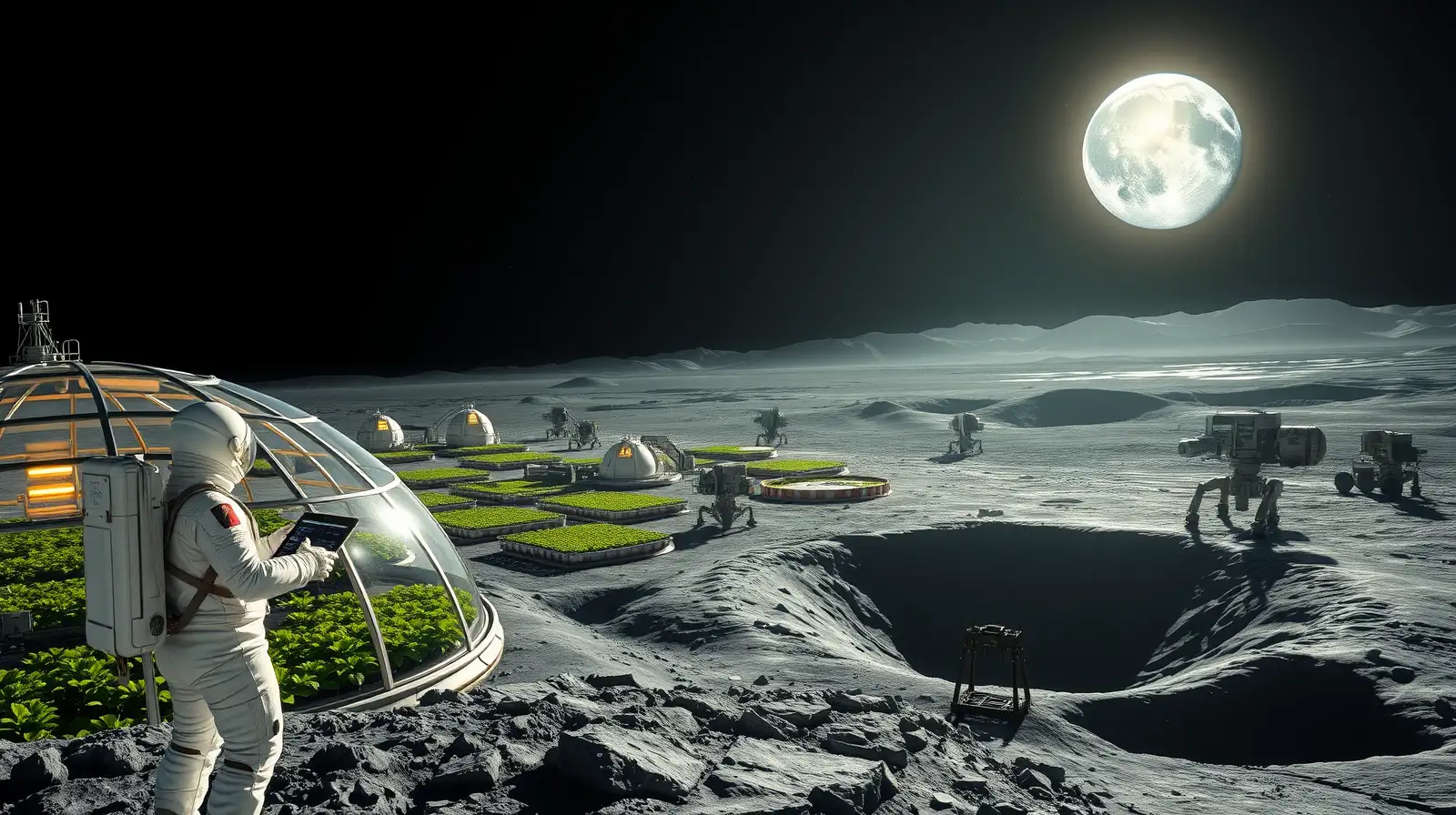
However, today’s lunar exploration has a broader purpose. Countries and companies are interested in scientific research, resource development, communication systems, and future human settlements.
The modern approach focuses on creating sustainable operations rather than simply planting a flag and returning home. Missions now aim to study the lunar environment, test advanced technologies, and establish systems that could support longer stays on the Moon.
NASA is leading the Artemis programme , which aims to return humans to the lunar surface and establish a foundation for future Mars missions. The programme includes plans for lunar exploration, scientific research, and international partnerships.
Other countries, including China and India, have also increased their lunar ambitions. India’s successful Chandrayaan-3 mission demonstrated the growing capabilities of emerging space nations.
The Moon is becoming a symbol of technological strength and a testing ground for future space activities.
Companies are building lunar landers, navigation systems, communication networks, and robotic vehicles designed for operations on the lunar surface.
Private lunar missions could eventually support activities such as scientific experiments, equipment delivery, and resource exploration. This commercial involvement is helping reduce costs and increase the speed of innovation.
The idea of a lunar economy may sound futuristic, but businesses are already preparing for a time when the Moon could become a location for research facilities and specialised industries.
This water could potentially be used for drinking, producing oxygen, and creating rocket fuel through hydrogen and oxygen extraction. Such resources could make future lunar missions more sustainable by reducing the need to transport everything from Earth.
Another interesting possibility is using the Moon as a platform for astronomy. With fewer atmospheric disturbances than Earth, lunar observatories could help researchers study the universe in new ways.
There are also questions about ownership, resource usage, and international rules. As more countries and companies become involved, cooperation will be necessary to ensure responsible exploration.
Managing lunar activities will require agreements that balance scientific progress with fair access to potential resources.
Technologies developed for lunar missions could help future journeys to Mars and improve industries on Earth. From advanced robotics to new communication systems, the benefits of Moon exploration could extend far beyond space.
The Moon is no longer just a distant destination from history books. It is becoming a testing ground for the next chapter of human discovery, innovation, and economic growth. The coming decades may determine whether humanity’s relationship with the Moon remains temporary or becomes a permanent partnership.
A New Era of Moon Exploration
The first Moon race was largely driven by geopolitical competition between the United States and the Soviet Union during the Cold War. The successful Apollo missions of Apollo 11 Moon landing marked one of humanity’s greatest technological achievements.However, today’s lunar exploration has a broader purpose. Countries and companies are interested in scientific research, resource development, communication systems, and future human settlements.
The modern approach focuses on creating sustainable operations rather than simply planting a flag and returning home. Missions now aim to study the lunar environment, test advanced technologies, and establish systems that could support longer stays on the Moon.
Why Countries Are Returning to the Moon
Several nations are investing heavily in lunar missions because the Moon offers valuable scientific and economic opportunities.NASA is leading the Artemis programme , which aims to return humans to the lunar surface and establish a foundation for future Mars missions. The programme includes plans for lunar exploration, scientific research, and international partnerships.
Other countries, including China and India, have also increased their lunar ambitions. India’s successful Chandrayaan-3 mission demonstrated the growing capabilities of emerging space nations.
The Moon is becoming a symbol of technological strength and a testing ground for future space activities.
The Growing Role of Private Lunar Companies
A major difference between the old and new Moon races is the involvement of private businesses. Commercial space companies are now developing technologies that support government missions and create new market opportunities.Companies are building lunar landers, navigation systems, communication networks, and robotic vehicles designed for operations on the lunar surface.
Private lunar missions could eventually support activities such as scientific experiments, equipment delivery, and resource exploration. This commercial involvement is helping reduce costs and increase the speed of innovation.
The idea of a lunar economy may sound futuristic, but businesses are already preparing for a time when the Moon could become a location for research facilities and specialised industries.
Hidden Opportunities Beneath the Lunar Surface
One of the biggest reasons for renewed lunar interest is the possibility of finding useful resources. Scientists believe that water ice may exist in permanently shadowed regions near the Moon’s poles.This water could potentially be used for drinking, producing oxygen, and creating rocket fuel through hydrogen and oxygen extraction. Such resources could make future lunar missions more sustainable by reducing the need to transport everything from Earth.
You may also like
- Armed forces see major leadership reshuffle as new commanders take charge
- Hidden wonder: Poland's 700-year-old underground salt mine is a hidden city of chapels, lakes and sculptures carved from salt
- Venezuela appreciates Indian team's efforts to help earthquake victims
- Russia's 28,000-tonne nuclear cruiser is back at sea — and NATO will be watching
- Monaco blast: Ukrainian tycoon and family injured, attacker flees to France
Another interesting possibility is using the Moon as a platform for astronomy. With fewer atmospheric disturbances than Earth, lunar observatories could help researchers study the universe in new ways.
Challenges Facing the New Moon Race
Despite rapid progress, returning to the Moon remains extremely challenging. Space missions require careful planning because of harsh conditions, extreme temperatures, radiation, and communication difficulties.There are also questions about ownership, resource usage, and international rules. As more countries and companies become involved, cooperation will be necessary to ensure responsible exploration.
Managing lunar activities will require agreements that balance scientific progress with fair access to potential resources.
The Moon as a Gateway to the Future
The new Moon race represents much more than a competition for exploration. It is a step towards a larger vision of humanity becoming a multi-planetary civilisation.Technologies developed for lunar missions could help future journeys to Mars and improve industries on Earth. From advanced robotics to new communication systems, the benefits of Moon exploration could extend far beyond space.
The Moon is no longer just a distant destination from history books. It is becoming a testing ground for the next chapter of human discovery, innovation, and economic growth. The coming decades may determine whether humanity’s relationship with the Moon remains temporary or becomes a permanent partnership.






More from our partners


Loving Newspoint? Download the app now
