
Why Many Buildings in East Asia Skip the Fourth Floor

Press the lift button in a Hong Kong apartment block or a Seoul office tower and you may find the panel jumps from 3 to 5. No floor four. In some buildings the skip is more elaborate, 4, 14, 24, and every floor containing the digit are gone, replaced by letters or simply absent.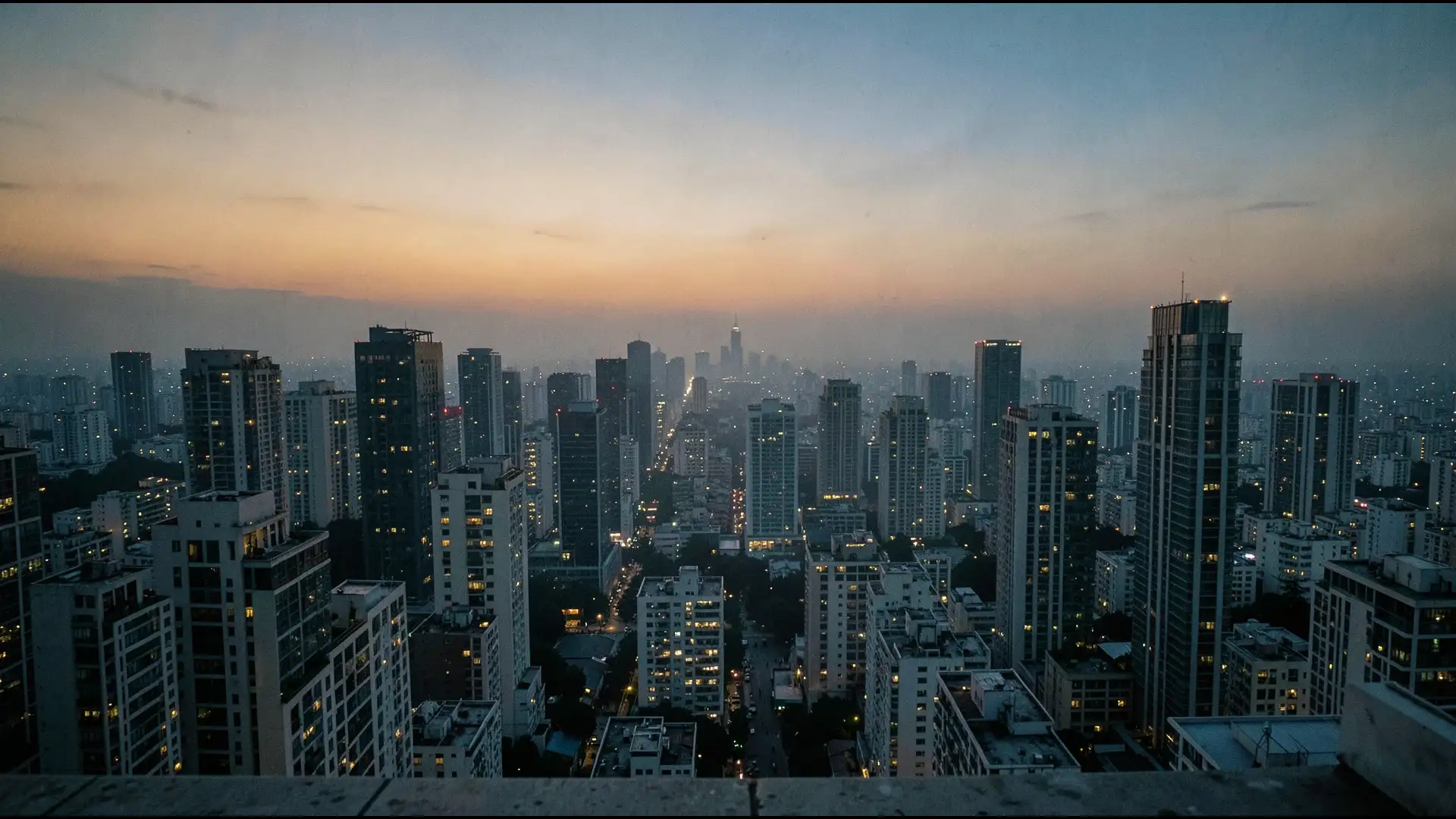
The practice is called tetraphobia, a fear of the number four, and it is one of the most quietly widespread architectural habits in the world.
The same near-homophone exists in Japanese, where shi means both four and death, in Cantonese, and in Korean, where sa carries the same double meaning. Across four distinct language families and centuries of separate cultural development, the same phonetic accident produced the same unease.
Some airlines originating from the region omit row four on their aircraft. Mobile phone numbers and car licence plates containing multiple fours are considered undesirable and in some markets sell for less than equivalent numbers without them.
Real estate in affected cities carries a measurable price difference between units on a fourth floor and units on a fifth. Researchers studying Hong Kong property data have documented this gap across decades of transactions, which makes tetraphobia one of the rare folk beliefs that leaves a clear trace in economic records.
China's avoidance of four is widespread but uneven: a high-rise in Shanghai may skip every floor with a four, while a building two blocks away numbers them normally.
The practice tends to be stronger where the developer or the expected buyers place weight on it, and weaker in government or industrial buildings where the concern is absent. South Korea follows a similar pattern, avoidance is common in residential towers but inconsistent in commercial spaces.
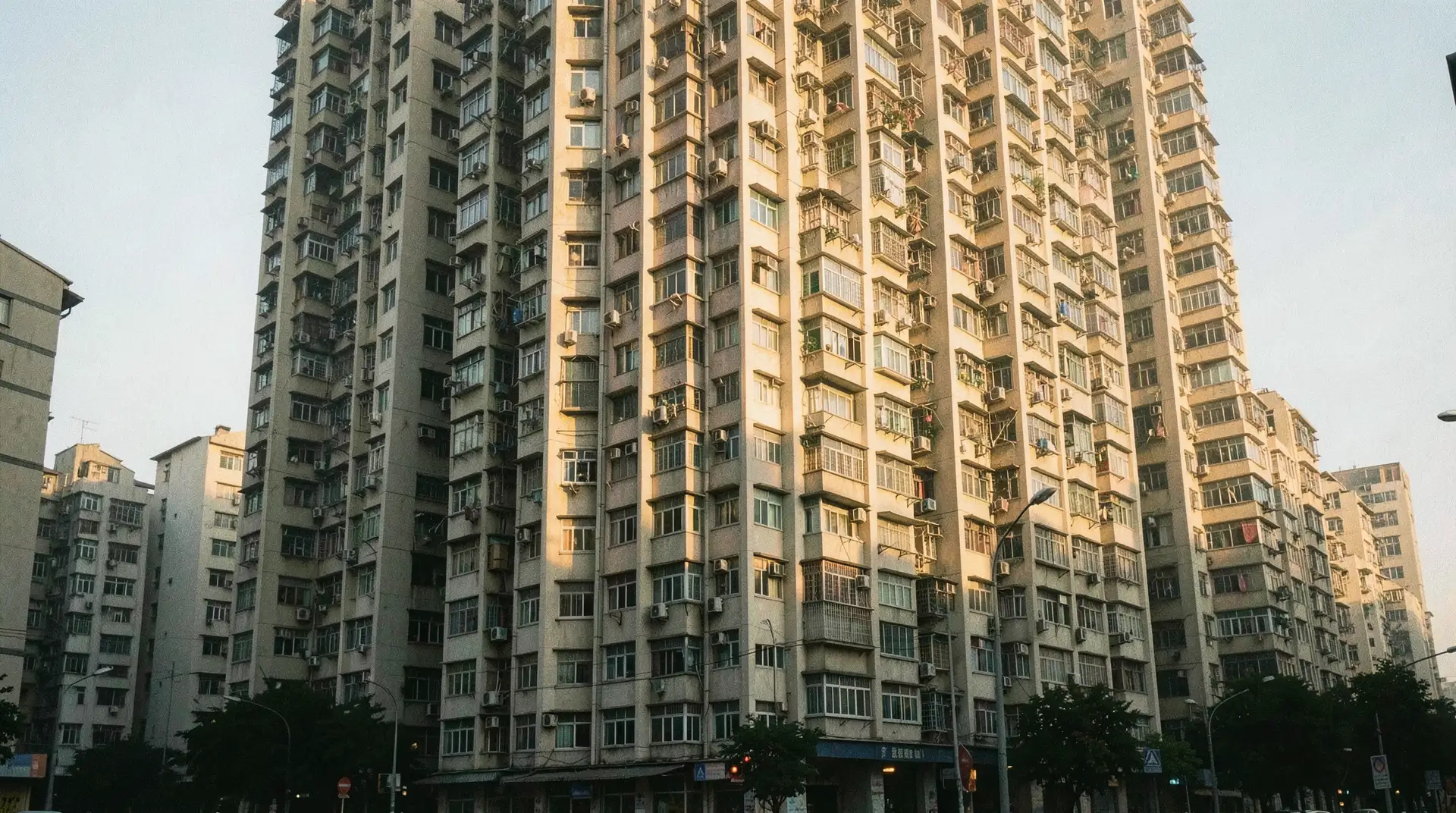
The Council on Tall Buildings and Urban Habitat has noted that a significant share of skyscrapers built in the twentieth century in the United States omit thirteen from their floor numbering. The mechanism is identical, a cultural association between a number and misfortune, expressed in concrete and steel. The only difference is which number carries the weight.
A belief about sound, the accident of a number rhyming with a word, has quietly shaped the vertical geography of Tokyo, Seoul, Taipei, and Guangzhou. The floors exist physically. The concrete is poured, the windows are there, the people live on them. The number is simply the one thing that changes. Language, it turns out, is load-bearing.
The practice is called tetraphobia, a fear of the number four, and it is one of the most quietly widespread architectural habits in the world.
A Number That Sounds Like Death
In Mandarin Chinese, the word for four, sì, is nearly identical in sound to the word for death, sǐ. The tones differ slightly, but in fast speech or across dialects the resemblance is close enough to make the number feel ominous.The same near-homophone exists in Japanese, where shi means both four and death, in Cantonese, and in Korean, where sa carries the same double meaning. Across four distinct language families and centuries of separate cultural development, the same phonetic accident produced the same unease.
How Deep the Avoidance Goes
The skip is not limited to lifts. In many East Asian hospitals, wards numbered four are renamed or renumbered entirely, a sensitivity that makes sense given that patients and families are already thinking about mortality.You may also like
- Two US carriers left in west Asia as George Washington heads out, Iran conflict in suspended animation
- Historic trilateral summit: Trump, Xi & Putin sign 'Declaration Toward Peace', take 4 big pledges
- 'Who is he?' Trump jokes with Putin ahead of historic trilateral meeting with Xi
- Country singers Luke Bryan and Jason Aldean are fighting a $1.4 million claim over their now-closed Nashville Steakhouse; they say the landlord cannot hold them personally responsible for its debts
- An Iowa man challenged a divorce order splitting his entire retirement account after a five-year marriage; an appeals court excluded $76,325.53 in premarital funds and changed how the remaining savings must be divided
Some airlines originating from the region omit row four on their aircraft. Mobile phone numbers and car licence plates containing multiple fours are considered undesirable and in some markets sell for less than equivalent numbers without them.
Real estate in affected cities carries a measurable price difference between units on a fourth floor and units on a fifth. Researchers studying Hong Kong property data have documented this gap across decades of transactions, which makes tetraphobia one of the rare folk beliefs that leaves a clear trace in economic records.
The Practice Varies by Place
Japan adds a second layer. The number nine, ku, also sounds like the Japanese word for suffering or agony. So some Japanese buildings skip both four and nine, and some hospitals avoid rooms with either digit.China's avoidance of four is widespread but uneven: a high-rise in Shanghai may skip every floor with a four, while a building two blocks away numbers them normally.
The practice tends to be stronger where the developer or the expected buyers place weight on it, and weaker in government or industrial buildings where the concern is absent. South Korea follows a similar pattern, avoidance is common in residential towers but inconsistent in commercial spaces.
Western Buildings Have Done the Same Thing
Tetraphobia is often reported as exotic, but the underlying logic has a close parallel in Western construction. Many older buildings in Europe and North America skip the thirteenth floor for exactly the same reason: a number associated with bad luck, an association strong enough that tenants preferred not to live or work on that level.The Council on Tall Buildings and Urban Habitat has noted that a significant share of skyscrapers built in the twentieth century in the United States omit thirteen from their floor numbering. The mechanism is identical, a cultural association between a number and misfortune, expressed in concrete and steel. The only difference is which number carries the weight.
Belief Built Into the Skyline
What makes tetraphobia striking is its scale. It is not a private superstition kept inside a household. It is encoded into building permits, architect drawings, lift manufacturer specifications, and property listings across some of the most densely populated cities on earth.A belief about sound, the accident of a number rhyming with a word, has quietly shaped the vertical geography of Tokyo, Seoul, Taipei, and Guangzhou. The floors exist physically. The concrete is poured, the windows are there, the people live on them. The number is simply the one thing that changes. Language, it turns out, is load-bearing.






Loving Newspoint? Download the app now
