
How Afternoon Tea Became a British Ritual

Hunger, not ceremony, started it. The history of afternoon tea dates back to the early nineteenth century, when wealthy British households typically ate two meals a day: a large breakfast and a late dinner. The long gap between meals gave rise to a new tradition. Anna Maria Russell, the seventh Duchess of Bedford, began enjoying tea, bread and butter, and small cakes around four o'clock in the afternoon. What started as a private afternoon refreshment soon became a social gathering, eventually evolving into the beloved British afternoon tea tradition that continues to fascinate people around the world.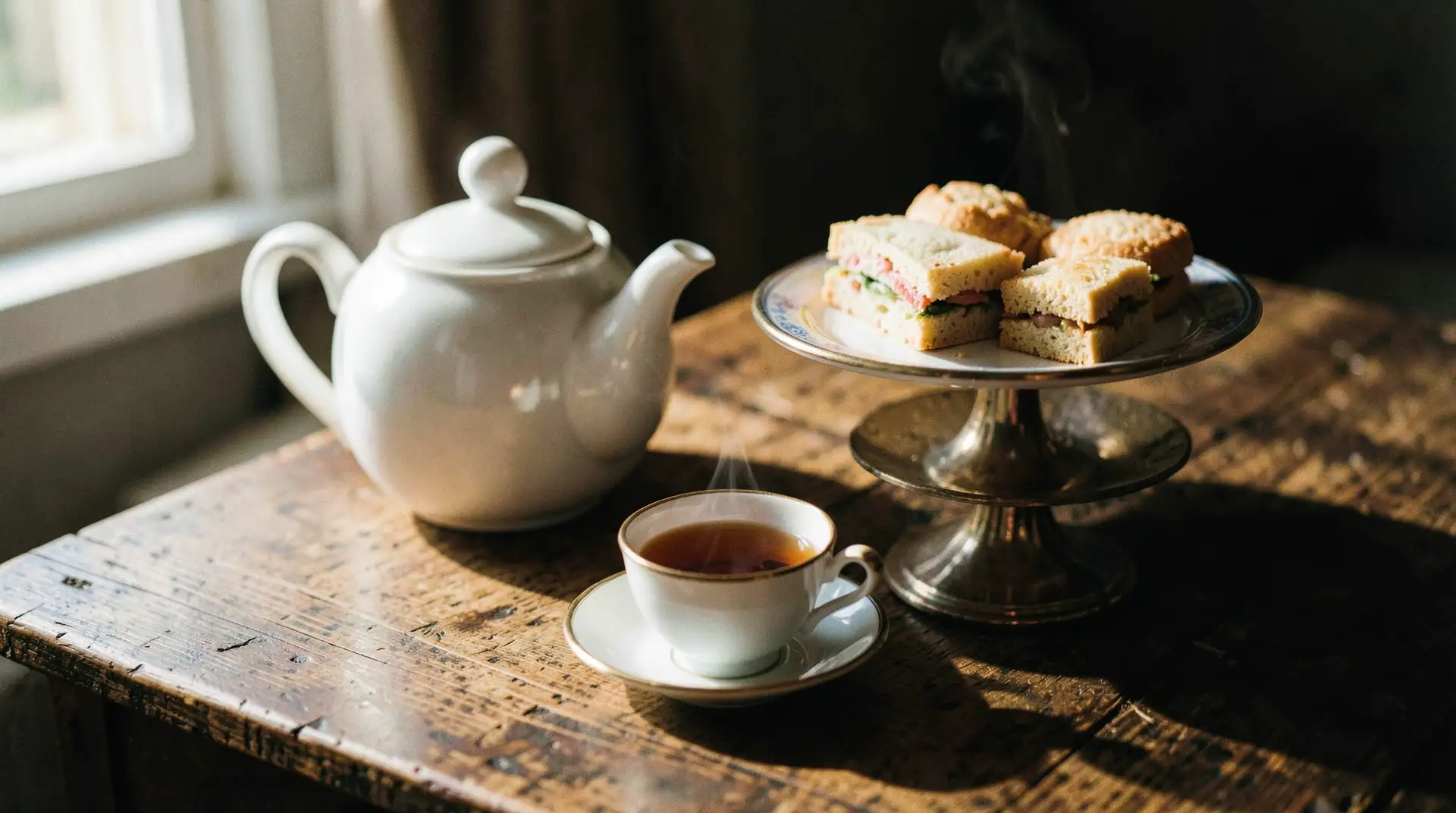
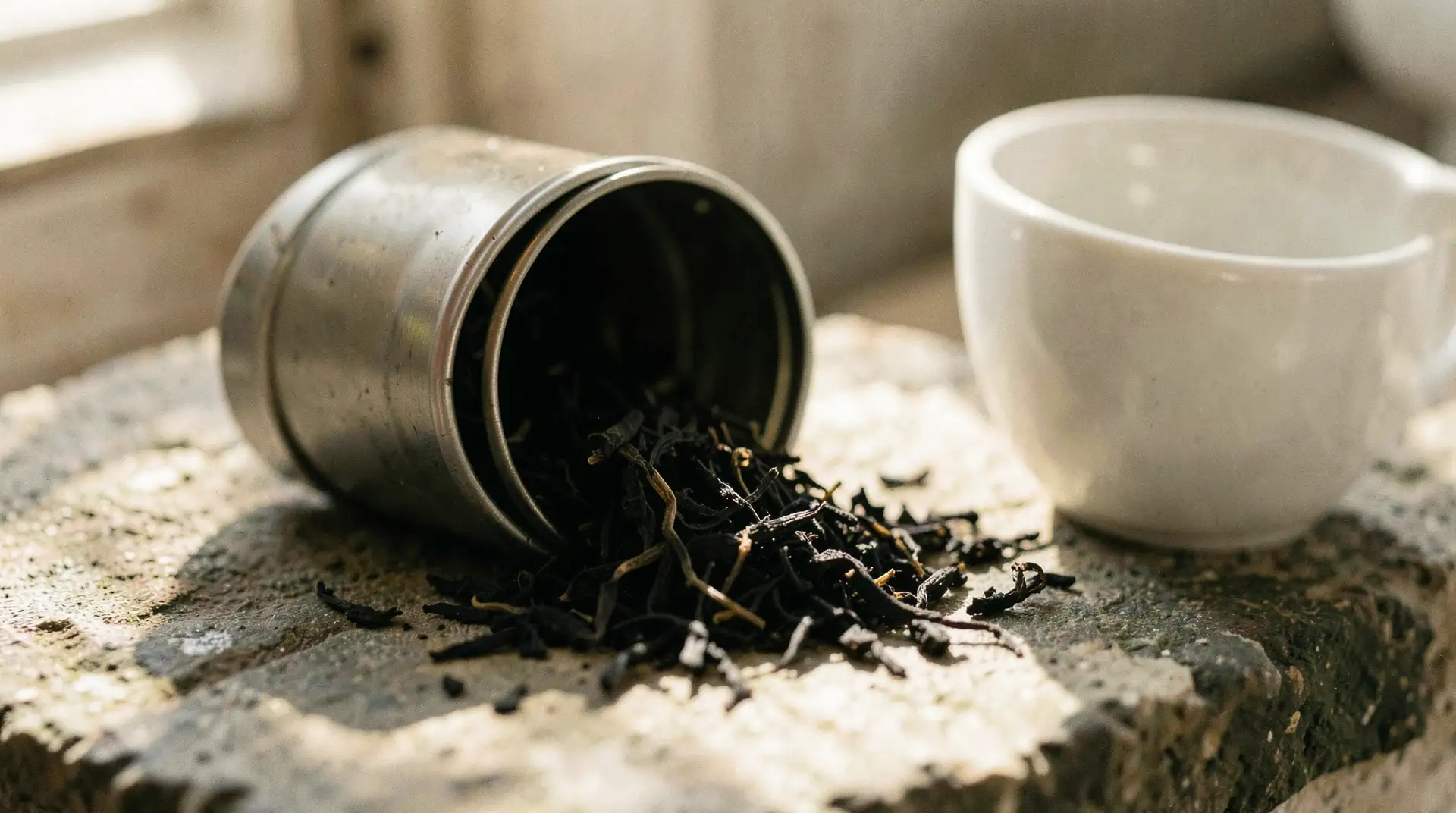
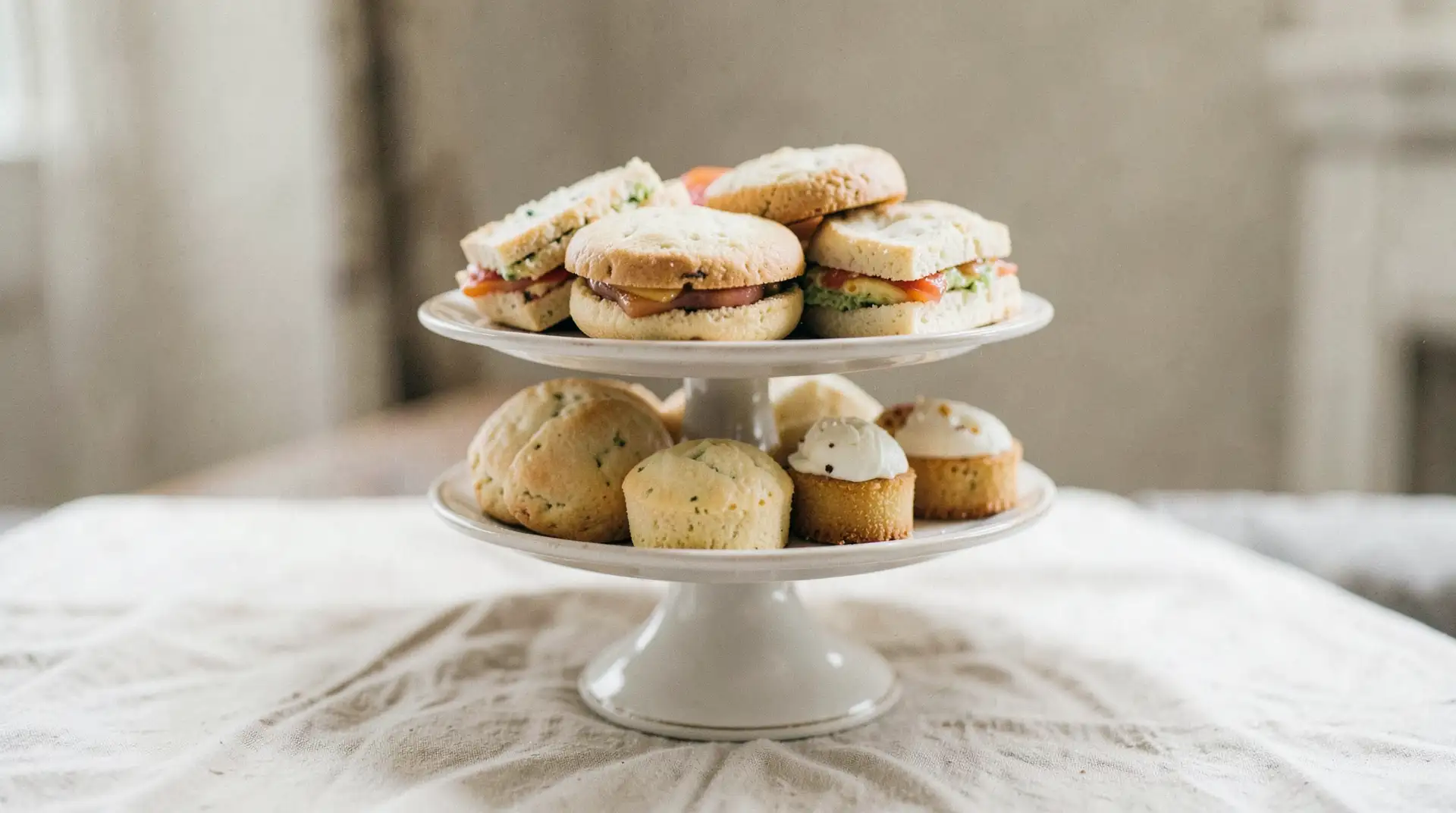
Etiquette guides began to weigh in on the correct way to hold a cup, whether milk went in before or after the tea, and how to eat a scone without embarrassing oneself. The food itself settled into a loose hierarchy: finger sandwiches at the bottom tier, scones in the middle, small cakes and pastries at the top. The order was practical before it was traditional, savoury before sweet, lighter before richer.
Tea rooms gave middle-class women, in particular, a place to meet, eat, and talk without the social complications attached to a public house. By the turn of the twentieth century, tea rooms were a fixture of British high streets, railway stations, and seaside resorts. The Lyons Corner Houses, which opened in London from the 1890s onward, made the experience affordable and theatrical at the same time, with their grand interiors and uniformed waitresses known as Nippies.
Both counties hold their position with a seriousness that seems disproportionate until you understand that the scone is not really the point, the argument is about belonging, about which version of England a person comes from. The royal household has occasionally been drawn into this debate, usually without settling it. The disagreement persists precisely because neither side is wrong about anything that matters, which makes it a perfect argument.
What the Duchess of Bedford started as a solution to a long afternoon became, over roughly two centuries, a set of objects, gestures, and small disputes that a country uses to recognise itself. The china, the tiers, the scone argument, none of it was planned. It accumulated, the way most rituals do, from one practical habit that enough people found worth repeating.
Why Tea and Not Something Else
Tea was the obvious companion because by the 1840s it was already woven into British domestic life. The East India Company had been importing it since the seventeenth century, and by the early nineteenth century the price had fallen enough that it was no longer a luxury only the very rich could afford. Sugar had followed a similar path. The combination of hot, slightly bitter tea and something sweet had already become a daily comfort for a wide range of households. The Duchess did not invent the pairing. She gave it a time, a setting, and a social frame.The Victorian Drawing Room and What It Required
As the practice spread through the aristocracy and the rising middle class, it acquired its apparatus. Special tea sets were commissioned. Low tables appeared in drawing rooms specifically for the ritual. The tiered cake stand, now inseparable from the image of afternoon tea, emerged as a practical solution to serving several things at once without crowding the table.You may also like
- Several Pakistani soldiers killed after convoys come under attacks in Balochistan
- 'Habibi, call me Senator': First Muslim US Senator Abdul El-Sayed mocks Donald Trump, JD Vance in victory speech
- Good news for Agniveers: Government extends tenure by two years
- Riyadh airport attack: Second Indian national succumbs to injuries, death toll reaches 14
- After releasing a diss track targeting Kai Cenat the former Clover Boys member Reggie reveals what the judge decided during their court hearing
Etiquette guides began to weigh in on the correct way to hold a cup, whether milk went in before or after the tea, and how to eat a scone without embarrassing oneself. The food itself settled into a loose hierarchy: finger sandwiches at the bottom tier, scones in the middle, small cakes and pastries at the top. The order was practical before it was traditional, savoury before sweet, lighter before richer.
From Drawing Room to Tea Shop
The shift from private ritual to public institution happened through commerce. The Aerated Bread Company, a London bakery chain, is often credited with opening one of the first public tea rooms in the 1860s, where a manageress began serving tea and light food to customers who wanted somewhere respectable to sit. The idea spread rapidly.Tea rooms gave middle-class women, in particular, a place to meet, eat, and talk without the social complications attached to a public house. By the turn of the twentieth century, tea rooms were a fixture of British high streets, railway stations, and seaside resorts. The Lyons Corner Houses, which opened in London from the 1890s onward, made the experience affordable and theatrical at the same time, with their grand interiors and uniformed waitresses known as Nippies.
The Cream Tea Question That Still Starts Arguments
Regional identity attached itself to the ritual early. The sharpest version of this is the dispute between Devon and Cornwall over the correct order of cream and jam on a scone. Cornwall puts jam first, then clotted cream. Devon puts cream first, then jam.Both counties hold their position with a seriousness that seems disproportionate until you understand that the scone is not really the point, the argument is about belonging, about which version of England a person comes from. The royal household has occasionally been drawn into this debate, usually without settling it. The disagreement persists precisely because neither side is wrong about anything that matters, which makes it a perfect argument.
What the Duchess of Bedford started as a solution to a long afternoon became, over roughly two centuries, a set of objects, gestures, and small disputes that a country uses to recognise itself. The china, the tiers, the scone argument, none of it was planned. It accumulated, the way most rituals do, from one practical habit that enough people found worth repeating.






Loving Newspoint? Download the app now
