
The Place Where Two Countries Share the Same Building

What if you walked into a building and discovered that you were suddenly in another country without passing through a border checkpoint? In the Belgian-Dutch village of Baarle , this is not a thought experiment. The international border between Belgium and the Netherlands runs through streets, gardens, businesses and even buildings. Baarle is actually divided into the Belgian municipality of Baarle-Hertog and the Dutch municipality of Baarle-Nassau , creating one of the most unusual border landscapes in the world. In some buildings, the precise location of the front door can determine which country the property legally belongs to.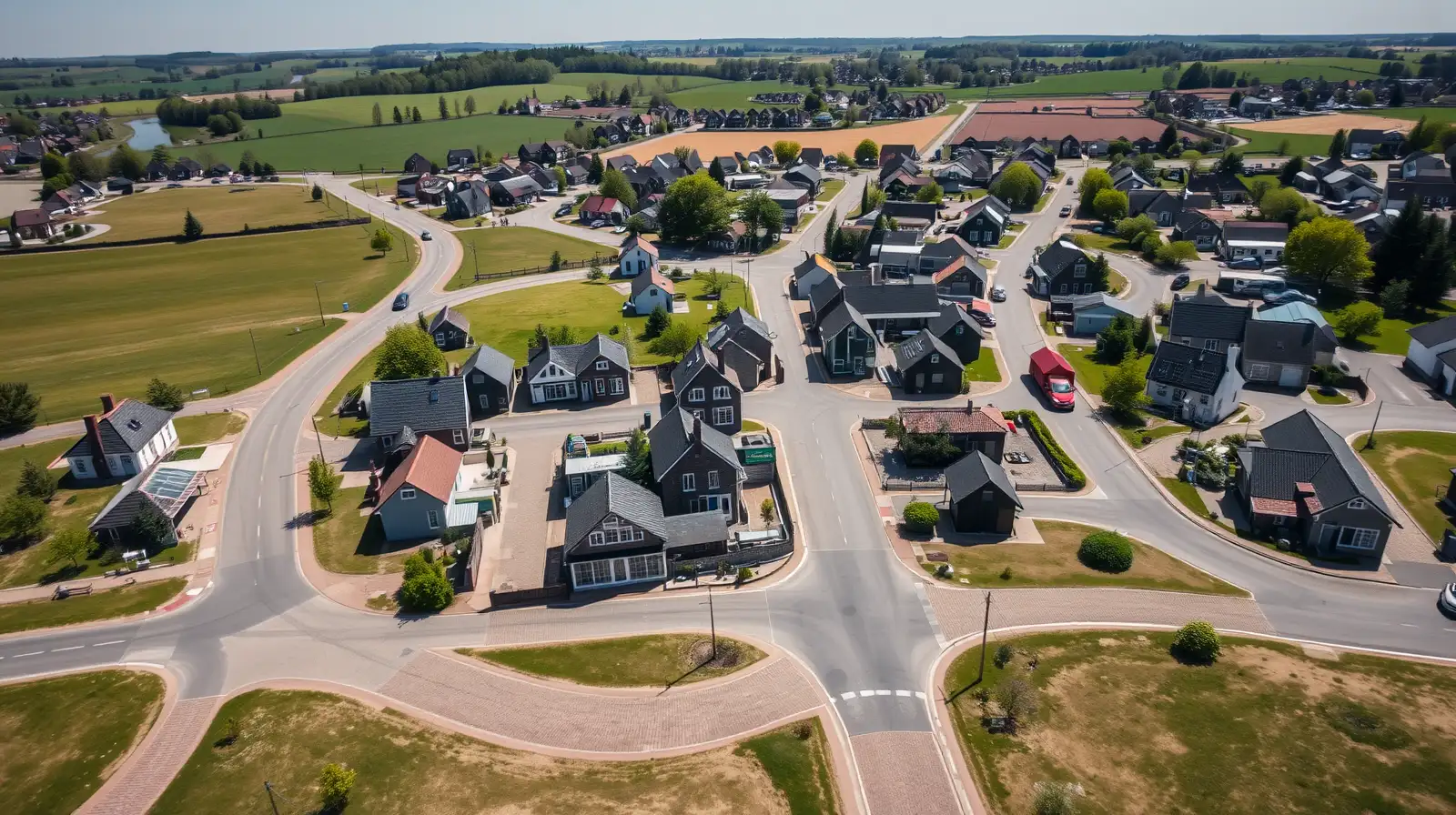
Different parcels of land ended up under different authorities, creating a patchwork of territories. When modern Belgium and the Netherlands established their international boundary, these historical divisions proved remarkably difficult to erase.
The complicated enclave arrangement eventually received international recognition. The final enclave boundaries were officially established and recognised as national borders in 1995.
Some of the Dutch enclaves are even located inside the larger Belgian enclaves. This creates what geographers call counter-enclaves, making the local map resemble a puzzle rather than a conventional international boundary.
The border is clearly marked throughout the built-up area using special paving stones and metal plates. House numbers can also carry Belgian or Dutch symbols indicating which country a particular entrance belongs to.
The international boundary cuts through houses, shops, restaurants and other buildings. In some cases, one part of a property can be in Belgium while another part is in the Netherlands.
Historically, the exact position of an entrance could have practical consequences. Local stories and records describe situations in which businesses or homes had to deal with the peculiarities of having a national border running through their premises.
For visitors, however, the experience is much simpler. You can literally stand on one side of a marked line and then step across it into another country.
People can cross the border repeatedly during an ordinary walk without necessarily noticing it. The local tourism authority describes the village as a place where residents live with two nationalities and two municipal authorities intertwined within one community.
Today, the unusual border has become a fascinating attraction, but it is also a reminder of how deeply history can shape modern geography.
In Baarle, crossing an international border does not require a passport, an airport or even a journey. Sometimes, all it takes is walking across the floor of a building.
A Border Created by Medieval History
The strange arrangement did not come from modern mapmakers trying to create a geographical curiosity. Its origins stretch back to medieval land agreements involving the Dukes of Brabant and the Lords of Breda.Different parcels of land ended up under different authorities, creating a patchwork of territories. When modern Belgium and the Netherlands established their international boundary, these historical divisions proved remarkably difficult to erase.
The complicated enclave arrangement eventually received international recognition. The final enclave boundaries were officially established and recognised as national borders in 1995.
Thirty Pieces of Territory Intertwined
Baarle is not simply a village with one unusual line running through it. It contains 30 enclaves, comprising 22 Belgian enclaves belonging to Baarle-Hertog and eight Dutch enclaves belonging to Baarle-Nassau.Some of the Dutch enclaves are even located inside the larger Belgian enclaves. This creates what geographers call counter-enclaves, making the local map resemble a puzzle rather than a conventional international boundary.
The border is clearly marked throughout the built-up area using special paving stones and metal plates. House numbers can also carry Belgian or Dutch symbols indicating which country a particular entrance belongs to.
When the Border Runs Through a Building
This is where Baarle becomes particularly fascinating.The international boundary cuts through houses, shops, restaurants and other buildings. In some cases, one part of a property can be in Belgium while another part is in the Netherlands.
Historically, the exact position of an entrance could have practical consequences. Local stories and records describe situations in which businesses or homes had to deal with the peculiarities of having a national border running through their premises.
For visitors, however, the experience is much simpler. You can literally stand on one side of a marked line and then step across it into another country.
Two Countries, One Community
Despite the complicated political geography, everyday life in Baarle is surprisingly normal. The two municipalities have separate administrations, but residents share the same community and regularly move between Belgian and Dutch territory.People can cross the border repeatedly during an ordinary walk without necessarily noticing it. The local tourism authority describes the village as a place where residents live with two nationalities and two municipal authorities intertwined within one community.
Why This Border Still Matters
Baarle offers something that maps often fail to show: borders are not always simple lines separating one place from another. Sometimes they are the result of centuries of inheritance, treaties, political disputes and historical compromises.Today, the unusual border has become a fascinating attraction, but it is also a reminder of how deeply history can shape modern geography.
In Baarle, crossing an international border does not require a passport, an airport or even a journey. Sometimes, all it takes is walking across the floor of a building.
Next Story