
Why 'Emoji' Comes from Japanese, Not from 'Emotion'

The assumption feels airtight. Emoji sounds like emotion. It ends in an i, which looks like icon. Put them together and you have a tidy little acronym that explains itself. The only problem is that none of it is true.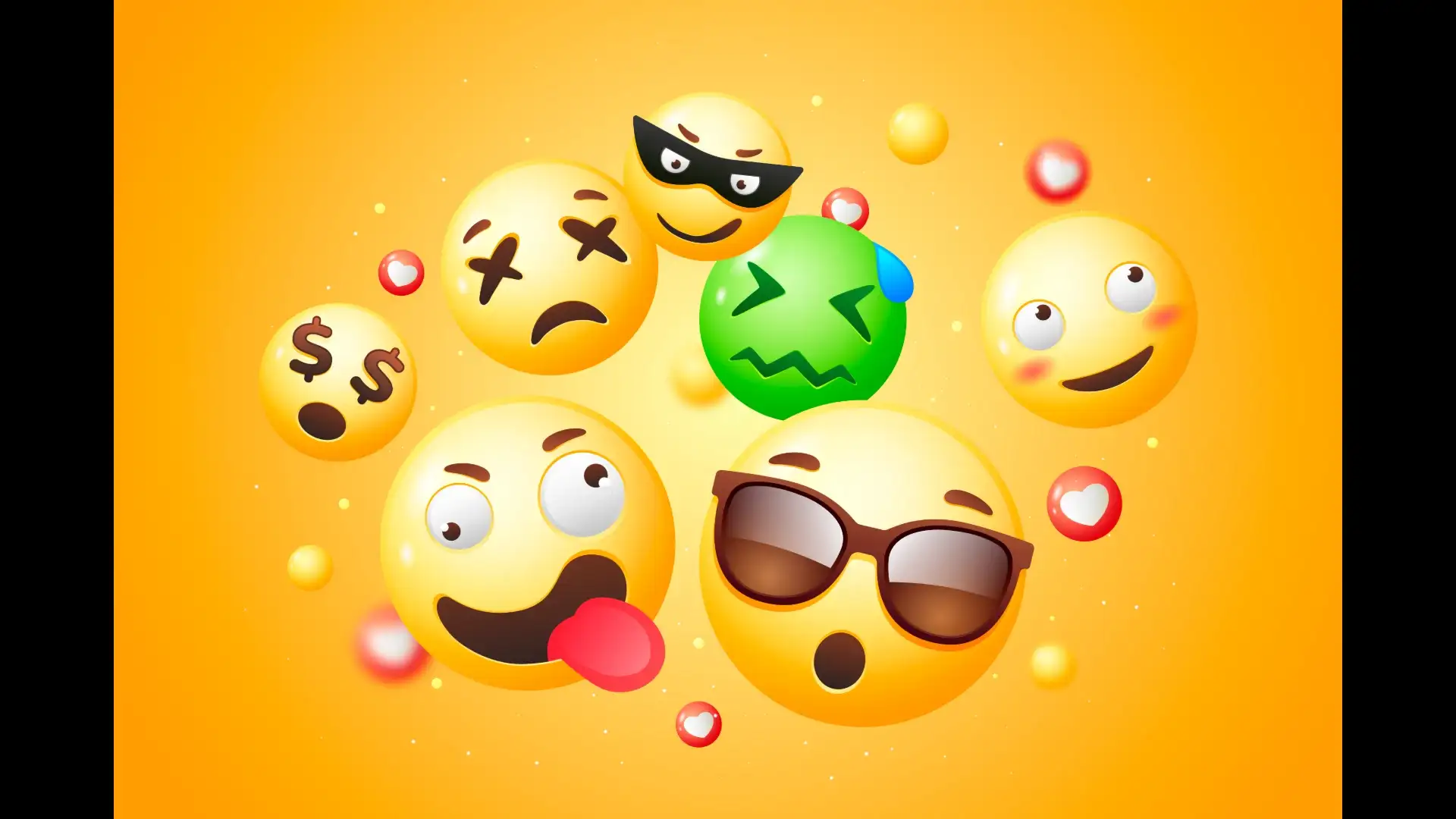
The word emoji has nothing to do with emotion, and it was never designed as a portmanteau. It is a straightforward compound from Japanese, and understanding where it comes from changes how you see the whole history of the tiny pictures that now outnumber words in millions of messages every day.
This is not an unusual construction in Japanese. The language builds compound words from short, concrete roots all the time. Emoji fits neatly into that pattern.
When Shigetaka Kurita designed a landmark set of 176 emoji for a Japanese mobile carrier in 1999, he was naming a new kind of character in the same plain way a Japanese speaker might name any new tool: by saying what it does.
With no Japanese to draw on, the brain did what brains do: it found the nearest familiar word and anchored there. Emotion was right there at the start, sharing four letters and the same general territory of human expression.
The coincidence is genuinely striking. Emotion and emoji do not share an ancestor, but they rhyme closely enough that the false etymology felt like discovery rather than error.
A few early technology articles repeated the emotion-plus-icon theory as fact, and from there it moved into casual conversation and stayed.
False etymologies tend to survive when they are more satisfying than the true ones. A word that encodes emotion and icon into its very syllables sounds like a piece of clever design. A word that means picture-character sounds like a label on a filing cabinet. The brain prefers the story.
A character for mountain traces back to a visual sketch of peaks. The distance between a written character and a small drawing was never as large in Japanese as it is in an alphabet-based language.
Japanese mobile users were also already fluent in kaomoji, keyboard-art emoticons built from punctuation and letters, arranged to suggest a face.
The word kaomoji itself follows the same pattern: kao means face, moji means character. Face-character. Emoji extended that tradition by replacing the improvised keyboard arrangement with a single, standardised picture-character. The cultural soil was ready.
Unicode is the technical body that assigns a unique code point to every character used in digital text worldwide: every letter, numeral, punctuation mark, and now every emoji.
By encoding the pictures under their Japanese name, Unicode made emoji a global technical term rather than a brand or a colloquialism.
That standardisation is why the word looks the same in an English article, a Spanish tweet, and a German app store description. The pictures themselves are rendered differently by each platform, with one vendor's grinning face looking different from another's, but the underlying code point, and the name emoji, is identical everywhere.
The word that started as a plain Japanese compound for a set of 176 pictures on a single carrier's network is now a formal term in international computing standards. It never needed to mean emotion. It already meant something more precise.
The coincidence with emotion turned out to be the best marketing the word ever got: free, accidental, and completely wrong.
The word emoji has nothing to do with emotion, and it was never designed as a portmanteau. It is a straightforward compound from Japanese, and understanding where it comes from changes how you see the whole history of the tiny pictures that now outnumber words in millions of messages every day.
The Two Japanese Words Behind the Name
In Japanese, e (絵) means picture or drawing. Moji (文字) means character or letter, the kind you write, not the kind you meet in a novel. Put them together and emoji means, quite literally, picture-character. A written symbol that is also an image. The word describes exactly what the thing is, with no metaphor and no wordplay involved.This is not an unusual construction in Japanese. The language builds compound words from short, concrete roots all the time. Emoji fits neatly into that pattern.
When Shigetaka Kurita designed a landmark set of 176 emoji for a Japanese mobile carrier in 1999, he was naming a new kind of character in the same plain way a Japanese speaker might name any new tool: by saying what it does.
Why the Emotion Theory Spread So Fast
English speakers encountered the word emoji at the same moment they were encountering the pictures themselves, which arrived widely on Western phones around the early 2010s.With no Japanese to draw on, the brain did what brains do: it found the nearest familiar word and anchored there. Emotion was right there at the start, sharing four letters and the same general territory of human expression.
The coincidence is genuinely striking. Emotion and emoji do not share an ancestor, but they rhyme closely enough that the false etymology felt like discovery rather than error.
A few early technology articles repeated the emotion-plus-icon theory as fact, and from there it moved into casual conversation and stayed.
False etymologies tend to survive when they are more satisfying than the true ones. A word that encodes emotion and icon into its very syllables sounds like a piece of clever design. A word that means picture-character sounds like a label on a filing cabinet. The brain prefers the story.
How Japanese Writing Made Emoji Inevitable
Japanese has always mixed visual and textual elements in ways that feel natural to its speakers. The writing system itself uses kanji, characters that include many historical pictographs alongside compound and phonetic forms.A character for mountain traces back to a visual sketch of peaks. The distance between a written character and a small drawing was never as large in Japanese as it is in an alphabet-based language.
Japanese mobile users were also already fluent in kaomoji, keyboard-art emoticons built from punctuation and letters, arranged to suggest a face.
The word kaomoji itself follows the same pattern: kao means face, moji means character. Face-character. Emoji extended that tradition by replacing the improvised keyboard arrangement with a single, standardised picture-character. The cultural soil was ready.
What the Unicode Consortium Did to the Word
When the Unicode Consortium standardised emoji for use across all operating systems and languages (beginning with Unicode 6.0 in 2010), the word went with them.Unicode is the technical body that assigns a unique code point to every character used in digital text worldwide: every letter, numeral, punctuation mark, and now every emoji.
By encoding the pictures under their Japanese name, Unicode made emoji a global technical term rather than a brand or a colloquialism.
That standardisation is why the word looks the same in an English article, a Spanish tweet, and a German app store description. The pictures themselves are rendered differently by each platform, with one vendor's grinning face looking different from another's, but the underlying code point, and the name emoji, is identical everywhere.
The word that started as a plain Japanese compound for a set of 176 pictures on a single carrier's network is now a formal term in international computing standards. It never needed to mean emotion. It already meant something more precise.
The coincidence with emotion turned out to be the best marketing the word ever got: free, accidental, and completely wrong.
Next Story