
How Masala Chai Became 'Chai Latte' in Cafes Abroad

The cup handed over a café counter in London or New York looks nothing like what a chaiwala makes. It is pale, sweet, often cold, and costs more than a full meal at the tapri where the original lives. Yet both carry the same name, chai. Understanding how that happened means following a spice blend across three centuries and two very different ideas of what tea is for.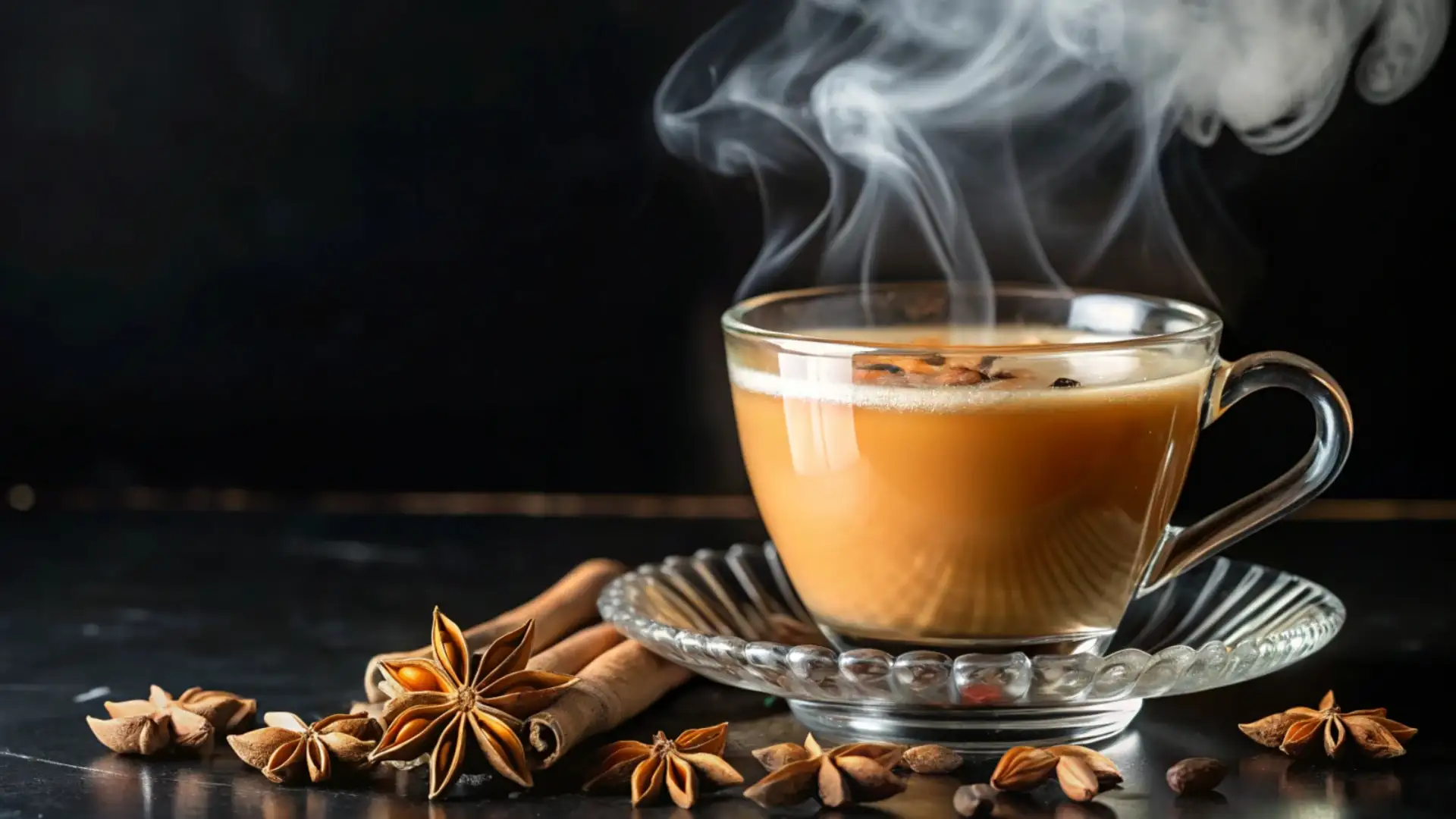
Where the Spices Came From
Masala chai as most Indians know it is not ancient. The British East India Company pushed tea cultivation in Assam in the nineteenth century to break China's monopoly on the leaf. For decades, Indian workers on those estates drank a heavily spiced, heavily milked brew partly because the tea itself was low-grade and the spices, ginger, cardamom, clove, black pepper, cinnamon, made it drinkable and warming. Street vendors picked it up, every household adjusted the blend to local taste, and by the mid-twentieth century the formula had fractured into hundreds of regional versions. Tamil chai leans on ginger and less sugar. Kashmiri kahwa uses saffron and almonds and no milk at all. The Irani chai of Hyderabad's old cafés is brewed separately from condensed milk. What the world later called masala chai was never one thing.How It Crossed the Counter
The crossing happened in waves. Indian diaspora communities in the United Kingdom, East Africa, Fiji, and the Gulf carried their spice blends with them, and chai became the marker of home in those kitchens. Western interest in Ayurveda through the 1970s and 1980s gave the spices a health frame, cardamom for digestion, ginger for circulation, clove as an antiseptic, and small natural-food importers began selling spice blends in American health stores. The word masala was already on those packets, but the word chai was new to most buyers. In Hindi, Urdu, and many South Asian languages, chai simply means tea. Calling it chai tea, as many Western menus still do, is the equivalent of saying tea tea.You may also like
- China's Colombo port project exit points to impracticality of several BRI investments: Report
- Eight next-generation corvettes for Indian Navy: Why this Rs 40,000-crore project is important
- Israel election results: Netanyahu's Likud bloc wins 53 seats, opposition 48, Arab parties 19
- U.S. and Japan Agree on AMRAAM Missile Assembly Plant Under Operation Supercharge
- She collected salary for 16 years without teaching: German teacher who allegedly went scuba diving while on sick leave now faces fraud charges over €248,000
The Latte Arrives
The café chain era of the 1990s is where the transformation became permanent. Espresso bars in the United States were looking for a non-coffee option that carried the same ritual warmth as a latte, something you could hold, sip slowly, and customise. A concentrate made from black tea and the familiar spice blend, mixed with steamed milk, fit the format exactly. The Italian word latte, meaning milk, was already on every menu board. Chai latte was the natural compound. It sounded familiar and exotic in equal measure, which is precisely the register a café menu wants. Within a few years the concentrate had replaced loose-leaf brewing entirely in most chains. The spice profile was standardised and sweetened to the median Western palate, which meant more cinnamon and vanilla, less black pepper and ginger bite.What the Translation Cost
The standardisation flattened the very thing that made masala chai interesting. The regional argument, how much ginger, whether to add fennel, how long to simmer the milk, disappeared into a single concentrate poured from a pump. The bitterness that comes from boiling the leaf hard, which Indian palates read as body, was smoothed out. The ritual of watching it brew, the negotiation with the chaiwala over sweetness, the small glass that burns your fingers, none of that travels in a paper cup. What did travel was the spice vocabulary: cardamom, ginger, cinnamon became shorthand for warmth and complexity in Western café culture, showing up in biscuits, candles, lip balms, and seasonal menus with a frequency that would baffle anyone who grew up treating them as ordinary kitchen staples.The Name Comes Full Circle
The irony is that the café version has now circled back. Specialty coffee shops in Mumbai, Bengaluru, and Delhi sell chai lattes alongside filter coffee, sometimes made with oat milk, sometimes with a turmeric shot added and marketed as a wellness drink. The tapri and the café now exist in the same city, serving recognisably different things that share a name. The chaiwala's version is cheaper, stronger, and made to order in under two minutes. The café version is photographed more. Both are called chai. The spice blend survived the translation intact. The context did not, and context is most of what a drink actually is.





Loving Newspoint? Download the app now
