
The World’s Shortest International Border Is Just 85 Metres Long

International borders are usually imagined as long lines cutting across mountains, rivers, deserts and forests. Some stretch for thousands of kilometres, separating countries with vastly different landscapes and cultures. But one border is so short that you could walk across it in less than a minute. It lies between Spain and Morocco at Peñón de Vélez de la Gomera , a tiny Spanish territory on Morocco’s Mediterranean coast. The border measures only about 85 metres, making it one of the most remarkable geographical curiosities in the world. Yet its unusual length is only part of the story. The territory was once an island, and a natural geological event eventually changed its relationship with the African mainland.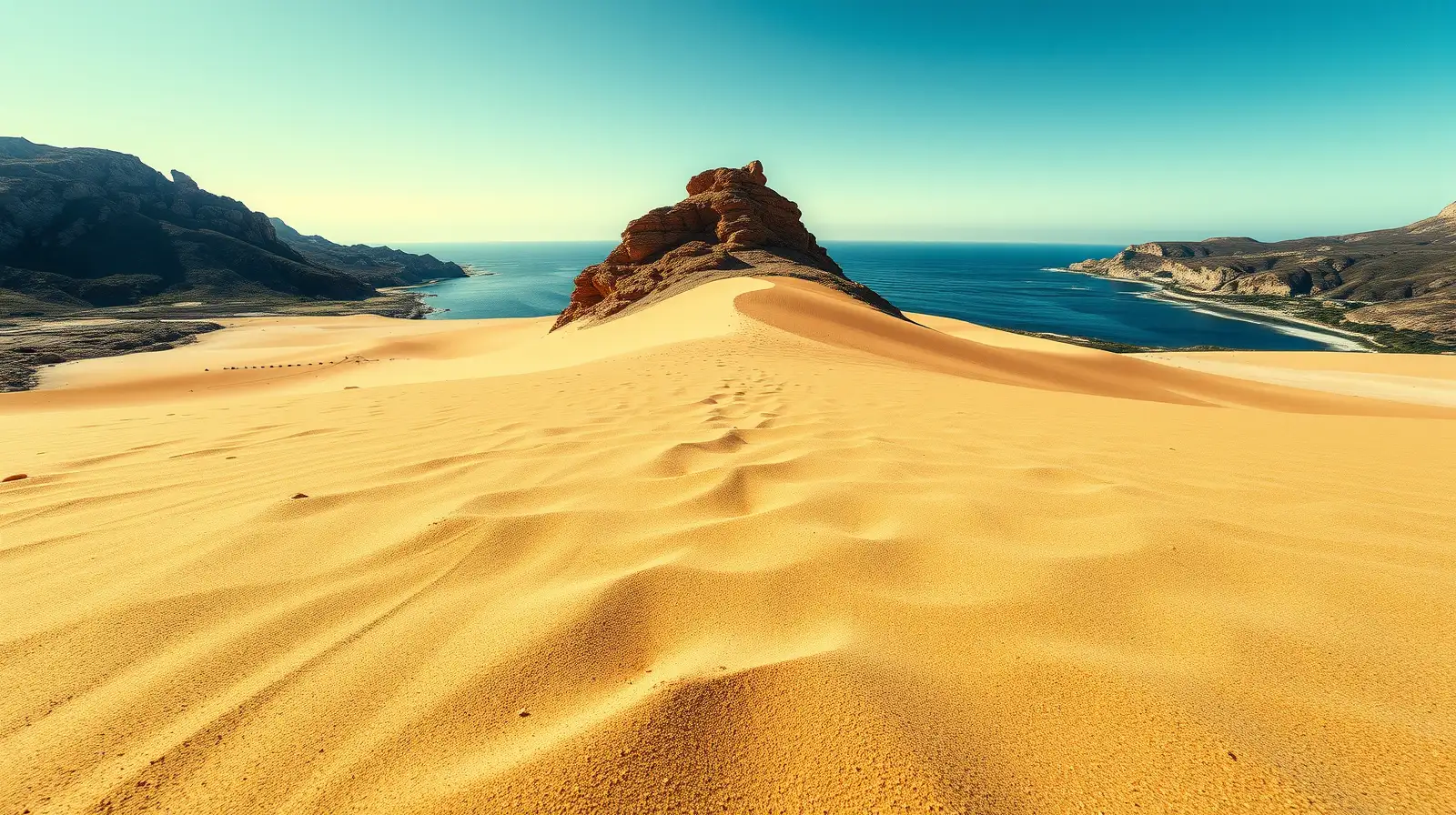
At roughly 85 metres, this is an extraordinarily small distance for an international land border. To put it into perspective, it is shorter than the length of a standard football pitch.
However, describing it simply as "the border between Spain and Morocco" can be misleading. Spain and Morocco have much longer land boundaries around the Spanish cities of Ceuta and Melilla. The 85-metre stretch refers specifically to the short border at Peñón de Vélez de la Gomera.
Peñón de Vélez de la Gomera was historically an island separated from the Moroccan coast by a narrow channel of water. A major natural event in the early 20th century changed that.
A combination of an earthquake and the movement of sand eventually created a natural land connection between the rock and mainland Africa. Spanish defence records describe the territory as an island that became connected to the mainland by a sandy isthmus.
The transformation turned an island into a peninsula while leaving its political status unchanged.
Its location has historically given it strategic importance, particularly because of its position near the Mediterranean approaches to the Strait of Gibraltar.
Today, the territory is permanently occupied by Spanish military personnel rather than a civilian population. Spain continues to maintain a military presence there, reflecting the strategic and historical significance attached to these small territories.
Peñón de Vélez de la Gomera is part of a much wider and sometimes sensitive geographical relationship between Spain and Morocco. Other Spanish territories in North Africa, including Ceuta and Melilla, have also been subjects of political and territorial debate.
The tiny border therefore offers an unusual lesson in geopolitics. A line on a map does not become unimportant simply because it is short.
A former island became connected to Africa, yet the international frontier remained.
That makes Peñón de Vélez de la Gomera more than a geographical curiosity. It is a reminder that today's political map is often the result of centuries of decisions, conflicts and historical accidents.
Sometimes, the world's most unusual international borders are not thousands of kilometres long. One of them is only 85 metres, tucked away on a small piece of land between Spain and Morocco.
A Border Only 85 Metres Long
Peñón de Vélez de la Gomera is a rocky Spanish possession located off Morocco's northern coast. Its connection to the Moroccan mainland is a narrow sandy strip, or isthmus, across which the international boundary runs.At roughly 85 metres, this is an extraordinarily small distance for an international land border. To put it into perspective, it is shorter than the length of a standard football pitch.
However, describing it simply as "the border between Spain and Morocco" can be misleading. Spain and Morocco have much longer land boundaries around the Spanish cities of Ceuta and Melilla. The 85-metre stretch refers specifically to the short border at Peñón de Vélez de la Gomera.
It Was Once an Island
Perhaps the strangest fact about this tiny border is that it did not originally exist in its present form.Peñón de Vélez de la Gomera was historically an island separated from the Moroccan coast by a narrow channel of water. A major natural event in the early 20th century changed that.
A combination of an earthquake and the movement of sand eventually created a natural land connection between the rock and mainland Africa. Spanish defence records describe the territory as an island that became connected to the mainland by a sandy isthmus.
The transformation turned an island into a peninsula while leaving its political status unchanged.
A Tiny Territory With a Long History
Spain has maintained control over Peñón de Vélez de la Gomera for centuries. The rocky territory formed part of a network of Spanish possessions along the North African coast.Its location has historically given it strategic importance, particularly because of its position near the Mediterranean approaches to the Strait of Gibraltar.
Today, the territory is permanently occupied by Spanish military personnel rather than a civilian population. Spain continues to maintain a military presence there, reflecting the strategic and historical significance attached to these small territories.
Why Such a Tiny Border Matters
An 85-metre border may seem almost irrelevant in a world of enormous countries and sprawling frontiers, but borders can carry significance far beyond their physical size.Peñón de Vélez de la Gomera is part of a much wider and sometimes sensitive geographical relationship between Spain and Morocco. Other Spanish territories in North Africa, including Ceuta and Melilla, have also been subjects of political and territorial debate.
The tiny border therefore offers an unusual lesson in geopolitics. A line on a map does not become unimportant simply because it is short.
A Geographical Oddity Created by Nature
What makes this place especially fascinating is the way geography and history intersect. Nature changed the physical shape of the territory, but it did not redraw the political boundary.A former island became connected to Africa, yet the international frontier remained.
That makes Peñón de Vélez de la Gomera more than a geographical curiosity. It is a reminder that today's political map is often the result of centuries of decisions, conflicts and historical accidents.
Sometimes, the world's most unusual international borders are not thousands of kilometres long. One of them is only 85 metres, tucked away on a small piece of land between Spain and Morocco.
Next Story