
Why the World's Hottest Deserts Are Not at the Equator

The equatorial region receives intense solar energy throughout the year, yet many areas near the equator remain green, humid and rainy. Travel roughly 20 to 30 degrees north or south, and you find some of the planet's great hot deserts: the Sahara, the Arabian Desert, the Sonoran Desert, the Atacama and parts of the Australian interior. The pattern is no coincidence. Much of it can be explained by a large-scale atmospheric circulation system called the Hadley Cell.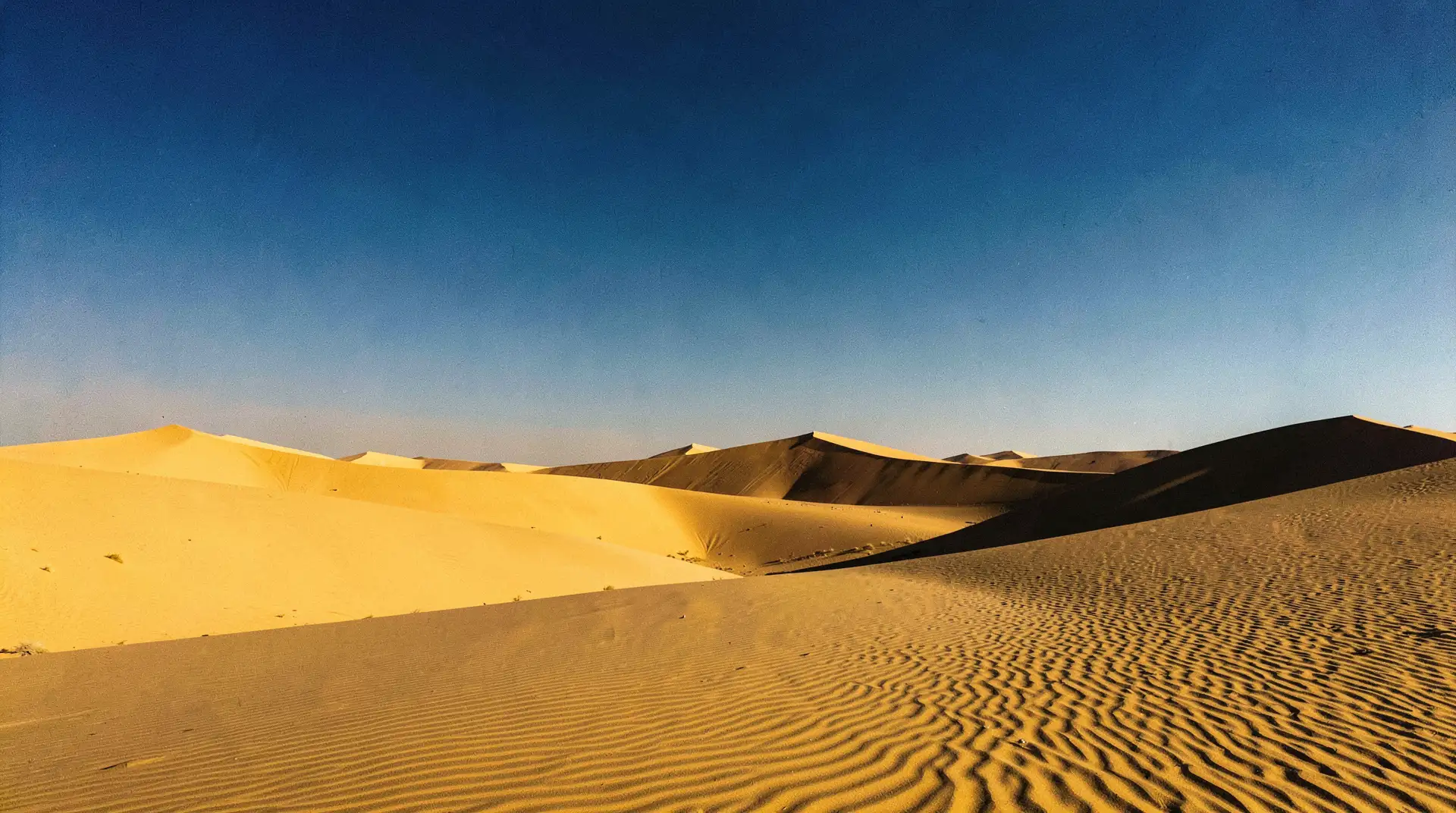
The equatorial belt is often wet because intense heating and converging winds encourage air to rise, cool and release moisture. However, rainfall also depends on regional moisture availability, ocean temperatures and seasonal atmospheric patterns.
That air cannot keep rising indefinitely. At altitudes of roughly 10 to 15 kilometres, much of it spreads outward towards the poles. Some of this air eventually descends in the subtropical regions, commonly around 20 to 35 degrees latitude in both hemispheres. These descending air masses contribute to the formation of many of the world's major hot deserts.
This sinking, warming air contributes to the formation of subtropical high-pressure zones. These are persistent features of global atmospheric circulation, although their position and strength shift with the seasons.
Much of the Sahara, the Arabian Peninsula and parts of Australia's interior are strongly influenced by these subtropical high-pressure systems. The Sonoran Desert of North America, however, has a more complex climate shaped by regional circulation, seasonal rainfall patterns and rain-shadow effects.
The Atacama Desert on South America's Pacific coast has additional disadvantages. The cold Humboldt Current helps suppress rainfall, while the Andes create a significant rain-shadow effect. Together, these factors contribute to making the Atacama one of the driest places on Earth.
The surface return flow is what sailors historically called the trade winds. These winds generally blow towards the equatorial region from both hemispheres, although their direction and strength vary with geography and the seasons.
When the trade winds converge near the equator, the air is encouraged to rise, helping sustain the cycle. The equatorial region is associated with rising air and frequent rainfall, while the subtropical belts are associated with descending air and drier conditions.
The equator is not necessarily the hottest place on Earth at every moment or throughout the year. Its frequent cloud cover and rainfall can moderate surface temperatures. Meanwhile, subtropical deserts often experience intense sunshine and limited cloud cover, allowing their surfaces to heat up significantly during the day.
The Sahara's western margins and the Atacama along Chile's Pacific coast illustrate how atmospheric circulation and ocean conditions can work together to create dry environments.
Mountain ranges add another layer. When moisture-bearing air is forced upwards over a mountain range, it cools and may release precipitation on the windward side. Air descending on the leeward side is generally drier, creating a rain shadow. This process can occur independently of the Hadley Cell, although in some regions it combines with subtropical high pressure to intensify aridity.
The Atacama is a particularly striking example. The Andes restrict moisture arriving from the east, while the cold Humboldt Current limits rainfall along the Pacific coast. The combination of these geographical and atmospheric influences helps explain its extraordinary dryness.
The Hadley Cell helps explain why rising, moisture-rich air produces rainfall near the equatorial region while descending, relatively dry air contributes to aridity in the subtropics. The circulation connects these climatic zones, but it does not mean that rainforests exist because deserts do.
Tropical rainforests also depend on ocean temperatures, regional moisture availability, land surface conditions and other atmospheric processes. Similarly, deserts are influenced by geographical features, cold ocean currents and seasonal weather patterns.
The Hadley Cell is not the only atmospheric circulation system on Earth. Other large-scale circulation patterns operate at higher latitudes. Yet it remains one of the key mechanisms explaining why many of the planet's wettest tropical regions and major hot deserts occur in distinct latitude bands.
The equatorial region is often wet because air rises, cools and releases moisture. Many subtropical deserts are dry because air descends, warms and becomes less conducive to cloud formation. The same atmospheric engine helps shape both climates, even though the full story also depends on oceans, mountains and the geography of individual continents.
The Air Rises at the Equator and Has to Go Somewhere
Intense solar heating near the equator warms the surface and encourages moist air to rise. This process is reinforced by the convergence of the northeast and southeast trade winds in a region known as the Intertropical Convergence Zone, or ITCZ. As the warm, moisture-rich air climbs, it expands and cools. Water vapour condenses into clouds, often producing frequent and heavy rainfall that supports regions such as the Amazon and Congo basins.The equatorial belt is often wet because intense heating and converging winds encourage air to rise, cool and release moisture. However, rainfall also depends on regional moisture availability, ocean temperatures and seasonal atmospheric patterns.
That air cannot keep rising indefinitely. At altitudes of roughly 10 to 15 kilometres, much of it spreads outward towards the poles. Some of this air eventually descends in the subtropical regions, commonly around 20 to 35 degrees latitude in both hemispheres. These descending air masses contribute to the formation of many of the world's major hot deserts.
Descending Air Is the Enemy of Rain
When air sinks, it is compressed by increasing atmospheric pressure and warms. This warming lowers its relative humidity, making condensation and cloud formation less likely. The descending air is also relatively dry because much of its moisture was released as precipitation in the tropical regions where it originally rose.This sinking, warming air contributes to the formation of subtropical high-pressure zones. These are persistent features of global atmospheric circulation, although their position and strength shift with the seasons.
Much of the Sahara, the Arabian Peninsula and parts of Australia's interior are strongly influenced by these subtropical high-pressure systems. The Sonoran Desert of North America, however, has a more complex climate shaped by regional circulation, seasonal rainfall patterns and rain-shadow effects.
The Atacama Desert on South America's Pacific coast has additional disadvantages. The cold Humboldt Current helps suppress rainfall, while the Andes create a significant rain-shadow effect. Together, these factors contribute to making the Atacama one of the driest places on Earth.
Why the Equator Itself Gets Soaked Instead
The full circulation, involving air rising near the equator, travelling poleward at high altitudes, descending in the subtropics and returning towards the equator near the surface, is known as the Hadley Cell. It is named after English meteorologist George Hadley, who described the basic concept in 1735.The surface return flow is what sailors historically called the trade winds. These winds generally blow towards the equatorial region from both hemispheres, although their direction and strength vary with geography and the seasons.
When the trade winds converge near the equator, the air is encouraged to rise, helping sustain the cycle. The equatorial region is associated with rising air and frequent rainfall, while the subtropical belts are associated with descending air and drier conditions.
The equator is not necessarily the hottest place on Earth at every moment or throughout the year. Its frequent cloud cover and rainfall can moderate surface temperatures. Meanwhile, subtropical deserts often experience intense sunshine and limited cloud cover, allowing their surfaces to heat up significantly during the day.
Continents and Coastlines Sharpen the Effect
The Hadley Cell explains much of the broad latitude pattern, but it does not explain every desert in detail. Some coastal deserts occur along the western sides of continents, where cold ocean currents help suppress rainfall. These currents can contribute to extreme aridity, although they do not necessarily make the deserts hotter.The Sahara's western margins and the Atacama along Chile's Pacific coast illustrate how atmospheric circulation and ocean conditions can work together to create dry environments.
You may also like
- Mystery threat puts US bases in Britain on high alert, aircraft shifted
- UK seeks military hotline with Russia amid fears accidental clash could spark war
- China's pharmaceutical dominance raises supply chain resilience, quality concerns
- Who is Ahmed Moor? Gaza-born Palestinian-American writer takes on John Fetterman in 2028 Pennsylvania Senate race
- Balochistan medical students protest 'unjustified' viva failures, demand accountability
Mountain ranges add another layer. When moisture-bearing air is forced upwards over a mountain range, it cools and may release precipitation on the windward side. Air descending on the leeward side is generally drier, creating a rain shadow. This process can occur independently of the Hadley Cell, although in some regions it combines with subtropical high pressure to intensify aridity.
The Atacama is a particularly striking example. The Andes restrict moisture arriving from the east, while the cold Humboldt Current limits rainfall along the Pacific coast. The combination of these geographical and atmospheric influences helps explain its extraordinary dryness.
The Equator's Forests Are the Other Half of the Same Story
It is tempting to think of tropical rainforests and subtropical deserts as opposites. In many ways, they are linked through the same large-scale atmospheric circulation.The Hadley Cell helps explain why rising, moisture-rich air produces rainfall near the equatorial region while descending, relatively dry air contributes to aridity in the subtropics. The circulation connects these climatic zones, but it does not mean that rainforests exist because deserts do.
Tropical rainforests also depend on ocean temperatures, regional moisture availability, land surface conditions and other atmospheric processes. Similarly, deserts are influenced by geographical features, cold ocean currents and seasonal weather patterns.
The Hadley Cell is not the only atmospheric circulation system on Earth. Other large-scale circulation patterns operate at higher latitudes. Yet it remains one of the key mechanisms explaining why many of the planet's wettest tropical regions and major hot deserts occur in distinct latitude bands.
The equatorial region is often wet because air rises, cools and releases moisture. Many subtropical deserts are dry because air descends, warms and becomes less conducive to cloud formation. The same atmospheric engine helps shape both climates, even though the full story also depends on oceans, mountains and the geography of individual continents.






Loving Newspoint? Download the app now
