
Sea Turtles Travel Thousands of Miles Using a Map Hidden in Their Genes

Sea turtles hatch on beaches and immediately swim into the open ocean, where they will spend decades before returning to the exact same beach where they were born to lay their own eggs. This journey spans thousands of miles across featureless ocean, yet sea turtles navigate with precision that human technology struggles to replicate. They possess an internal navigation system that science is only now beginning to understand.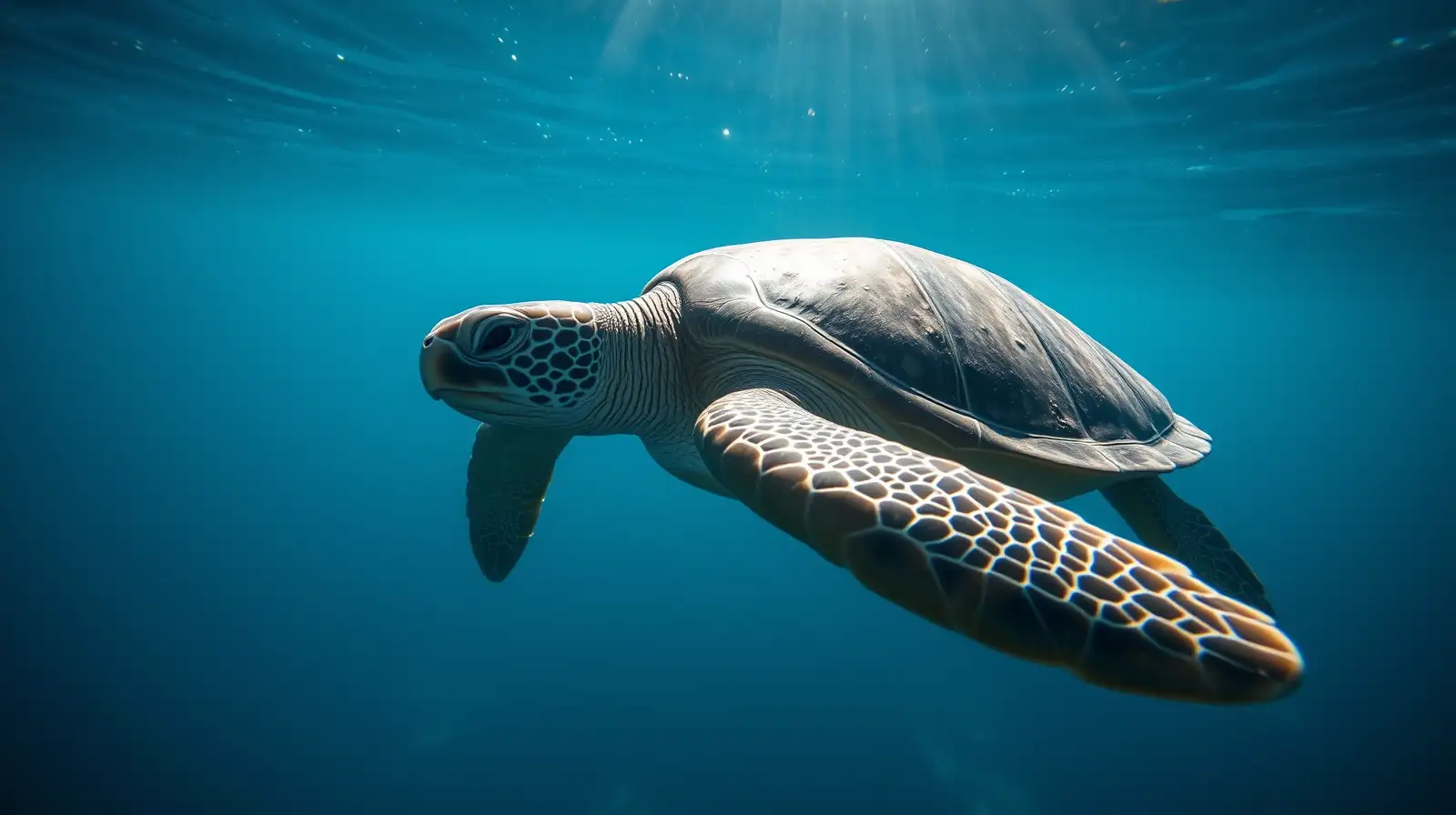
How Sea Turtles Navigate Without Landmarks
Sea turtles use Earth's magnetic field as a global positioning system. The magnetic field varies across the planet, creating unique signatures at different locations. Turtles are born with the ability to detect these magnetic signatures and remember them. When they hatch, they imprint on the magnetic signature of their birth beach. Decades later, they use this memory to navigate back across entire ocean basins.
Turtles also use wave direction, ocean currents, and even the position of stars and sun to navigate. They integrate multiple sensory inputs to maintain their course. This multi-layered navigation system allows them to find feeding grounds, mating areas, and nesting beaches with remarkable accuracy.
The Dangers Modern Sea Turtles Face During Migration
Sea turtle migration routes cross some of the busiest shipping lanes and fishing grounds on Earth. Turtles are accidentally caught in fishing gear, drowning before they can reach the surface to breathe. Millions of sea turtles die annually this way from commercial fishing operations. Ship strikes kill turtles swimming near the surface, especially in narrow channels where migration routes concentrate.
Plastic pollution poses another deadly threat. Turtles mistake floating plastic bags for jellyfish, their primary food source. Ingested plastic blocks their digestive systems, causing starvation. Plastic also-release toxic chemicals that accumulate in turtle tissues, affecting reproduction and survival.
Coastal development destroys nesting beaches through construction, artificial lighting, and beach armoring. Hatchlings emerging from nests are disoriented by city lights, crawling toward roads instead of the ocean where they die from exhaustion, predation, or vehicle strikes.
Conservation Efforts That Are Bringing Turtles Back
Protected marine areas along migration routes reduce fishing pressure and ship strikes. Turtle excluder devices in fishing nets allow turtles to escape before drowning, and countries requiring these devices have seen dramatic reductions in turtle bycatch. Artificial lighting on beaches is regulated in many areas, using red lights or shields that do not disorient hatchlings.
Nesting beaches are protected and monitored by conservation groups. Volunteers guard nests from poachers and predators. When beaches are threatened by erosion or development, nests are relocated to safer locations. Hatchlings are sometimes head-started in captivity and released when larger and less vulnerable to predators.
International cooperation is essential because sea turtles cross national boundaries. Five species of sea turtles are now protected by international agreements requiring range states to conserve habitats and reduce threats. These agreements have slowed population declines and allowed some populations to recover.
Why Sea Turtle Conservation Matters Beyond the Turtles
Sea turtles play essential roles in marine ecosystems. They graze on seagrass beds, keeping them healthy and productive for fish and other marine animals.Their eggs and hatchlings provide food for beach and ocean species. Nesting turtles transport nutrients from ocean to land, fertilizing beach vegetation that stabilizes sand and prevents erosion.
Protecting sea turtles means protecting entire marine ecosystems and the services they provide. Healthy oceans support fisheries, protect coastlines from storms, and sequester carbon that regulates climate. The fate of sea turtles is connected to the health of the ocean itself.
Understanding how these ancient navigators find their way across oceans inspires us to protect the magnetic, chemical, and physical cues they rely on. The map sea turtles carry in their genes is millions of years old, and it is our responsibility to ensure it remains usable for future generations.
How Sea Turtles Navigate Without Landmarks
Sea turtles use Earth's magnetic field as a global positioning system. The magnetic field varies across the planet, creating unique signatures at different locations. Turtles are born with the ability to detect these magnetic signatures and remember them. When they hatch, they imprint on the magnetic signature of their birth beach. Decades later, they use this memory to navigate back across entire ocean basins. Turtles also use wave direction, ocean currents, and even the position of stars and sun to navigate. They integrate multiple sensory inputs to maintain their course. This multi-layered navigation system allows them to find feeding grounds, mating areas, and nesting beaches with remarkable accuracy.
The Dangers Modern Sea Turtles Face During Migration
Sea turtle migration routes cross some of the busiest shipping lanes and fishing grounds on Earth. Turtles are accidentally caught in fishing gear, drowning before they can reach the surface to breathe. Millions of sea turtles die annually this way from commercial fishing operations. Ship strikes kill turtles swimming near the surface, especially in narrow channels where migration routes concentrate. Plastic pollution poses another deadly threat. Turtles mistake floating plastic bags for jellyfish, their primary food source. Ingested plastic blocks their digestive systems, causing starvation. Plastic also-release toxic chemicals that accumulate in turtle tissues, affecting reproduction and survival.
You may also like
- Pakistan among worst performers on women's economic rights enforcement
- Brahmos cruise missile deal with Vietnam already signed: Defence Secretary
- 'Find and kill them all': China unveils AI-powered drone swarms that can hunt targets autonomously
- Meet ICE agent Christian Castro, arrested in Texas for shooting at a Venezuelan in Minneapolis and lying about it
- India showcases cultural heritage as Country of Honour at Shanghai consular gala 2026
Coastal development destroys nesting beaches through construction, artificial lighting, and beach armoring. Hatchlings emerging from nests are disoriented by city lights, crawling toward roads instead of the ocean where they die from exhaustion, predation, or vehicle strikes.
Conservation Efforts That Are Bringing Turtles Back
Protected marine areas along migration routes reduce fishing pressure and ship strikes. Turtle excluder devices in fishing nets allow turtles to escape before drowning, and countries requiring these devices have seen dramatic reductions in turtle bycatch. Artificial lighting on beaches is regulated in many areas, using red lights or shields that do not disorient hatchlings. Nesting beaches are protected and monitored by conservation groups. Volunteers guard nests from poachers and predators. When beaches are threatened by erosion or development, nests are relocated to safer locations. Hatchlings are sometimes head-started in captivity and released when larger and less vulnerable to predators.
International cooperation is essential because sea turtles cross national boundaries. Five species of sea turtles are now protected by international agreements requiring range states to conserve habitats and reduce threats. These agreements have slowed population declines and allowed some populations to recover.
Why Sea Turtle Conservation Matters Beyond the Turtles
Sea turtles play essential roles in marine ecosystems. They graze on seagrass beds, keeping them healthy and productive for fish and other marine animals.Their eggs and hatchlings provide food for beach and ocean species. Nesting turtles transport nutrients from ocean to land, fertilizing beach vegetation that stabilizes sand and prevents erosion. Protecting sea turtles means protecting entire marine ecosystems and the services they provide. Healthy oceans support fisheries, protect coastlines from storms, and sequester carbon that regulates climate. The fate of sea turtles is connected to the health of the ocean itself.
Understanding how these ancient navigators find their way across oceans inspires us to protect the magnetic, chemical, and physical cues they rely on. The map sea turtles carry in their genes is millions of years old, and it is our responsibility to ensure it remains usable for future generations.






More from our partners


Loving Newspoint? Download the app now
