
Why the Dead Sea Makes Every Person Float Without Trying

Throw yourself into the Dead Sea and the water does something no swimming pool ever will: it refuses to let you go under. You can sit upright, hold a newspaper, fold your arms across your chest, and the surface holds you there as if the lake has decided you belong on top of it. This is not a trick of the shoreline or the shape of the basin. It is a direct consequence of what is dissolved in that water.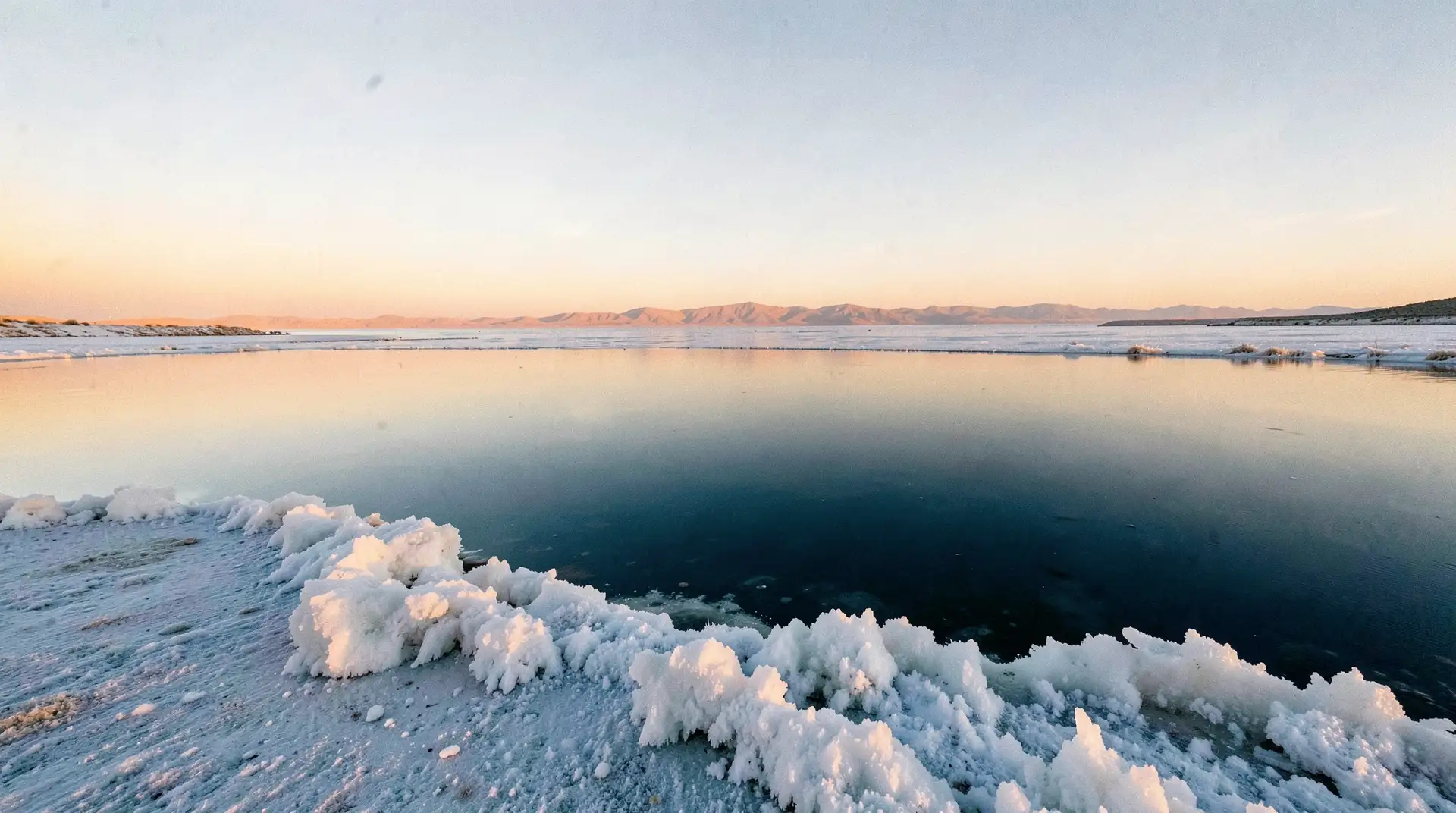
Density is what determines whether something floats or sinks. An object floats when the water it displaces weighs more than the object itself. The human body, on average, sits just below the density of fresh water, which is why most people have to keep moving to stay at the surface in a regular lake. In the Dead Sea, the water is dense enough that the body displaces water that outweighs it without any effort at all. The physics tips entirely in the swimmer's favour.
The minerals are not just sodium chloride. The Dead Sea holds high concentrations of magnesium, calcium, potassium, and bromide alongside the salt. Each of them contributes to the density. The name itself reflects the result: almost nothing survives in water this concentrated. Fish carried in by the Jordan River die within minutes. Bacteria and a handful of salt-tolerant microorganisms are the only life the lake sustains.
The water stings any open cut immediately, because the mineral concentration draws fluid out of tissue by osmosis. Swallowing even a small amount causes severe irritation. Swimmers are advised to keep their faces out of the water entirely. The same chemistry that makes floating effortless makes the water itself inhospitable to the body in any quantity.
The floating experience that draws visitors from across the world is tied to a body of water that is, by measurable degrees, smaller than it was a generation ago. The density that makes it remarkable is also what makes it fragile: the less water that enters, the more concentrated and the more shallow it becomes, and shallow, hyper-concentrated water is not a stable system.
The Dead Sea floats you because its chemistry has had thousands of years to tip the scales. Every mineral left behind by every drop of evaporated water built toward the same outcome: water so dense that the human body simply cannot find its way to the bottom.
Salt Changes What Water Weighs
Fresh water has a density of roughly one gram per cubic centimetre. The Dead Sea sits at around 1.24 grams per cubic centimetre, meaning a litre of its water weighs about a quarter more than a litre from your kitchen tap. That extra weight comes from salt and minerals dissolved in concentrations far beyond what any ocean carries. The average ocean is about 3.5 percent salt by weight. The Dead Sea runs between 30 and 34 percent.Density is what determines whether something floats or sinks. An object floats when the water it displaces weighs more than the object itself. The human body, on average, sits just below the density of fresh water, which is why most people have to keep moving to stay at the surface in a regular lake. In the Dead Sea, the water is dense enough that the body displaces water that outweighs it without any effort at all. The physics tips entirely in the swimmer's favour.
Why So Much Salt Ended Up There
The Dead Sea sits at the lowest point on the surface of the Earth, in the Jordan Rift Valley. Rivers and streams flow into it carrying dissolved minerals. Fresh water normally escapes a lake through rivers flowing out of it, which keeps salinity in check. The Dead Sea has no outlet. Water leaves only by evaporation, and evaporation carries away pure water molecules, leaving every mineral behind. Over thousands of years, that process has concentrated the basin into something closer to a mineral broth than a lake.The minerals are not just sodium chloride. The Dead Sea holds high concentrations of magnesium, calcium, potassium, and bromide alongside the salt. Each of them contributes to the density. The name itself reflects the result: almost nothing survives in water this concentrated. Fish carried in by the Jordan River die within minutes. Bacteria and a handful of salt-tolerant microorganisms are the only life the lake sustains.
What Floating There Actually Feels Like
Visitors often describe the experience as slightly unsettling at first. The body sits higher than expected, hips and legs rise toward the surface without being asked. Turning over onto your stomach takes conscious effort because the water pushes back. Getting into a vertical position to stand up is genuinely difficult, which is why lifeguards at the resorts along the shore warn against panicking: the instinct to thrash actually makes it harder to right yourself.The water stings any open cut immediately, because the mineral concentration draws fluid out of tissue by osmosis. Swallowing even a small amount causes severe irritation. Swimmers are advised to keep their faces out of the water entirely. The same chemistry that makes floating effortless makes the water itself inhospitable to the body in any quantity.
The Lake Is Shrinking
The Dead Sea has been losing surface area for decades. The Jordan River, its main source, has been heavily diverted for agriculture and drinking water across the region. Less inflow means the evaporation that was once balanced by river water now wins outright. The shoreline retreats by roughly a metre each year, leaving behind white salt flats where the water once stood.The floating experience that draws visitors from across the world is tied to a body of water that is, by measurable degrees, smaller than it was a generation ago. The density that makes it remarkable is also what makes it fragile: the less water that enters, the more concentrated and the more shallow it becomes, and shallow, hyper-concentrated water is not a stable system.
The Dead Sea floats you because its chemistry has had thousands of years to tip the scales. Every mineral left behind by every drop of evaporated water built toward the same outcome: water so dense that the human body simply cannot find its way to the bottom.
Next Story