
Why Camels Can Go Days Without Water: The Biology Behind the Legend

Why camels can go days without water is one of nature's most fascinating survival mysteries. Built to withstand extreme desert conditions, camels have remarkable biological adaptations that help them conserve water, tolerate dehydration and survive scorching temperatures. From their unique red blood cells to their ability to regulate body temperature, a camel's body works like an efficient survival system, allowing it to travel across dry landscapes for days without drinking water.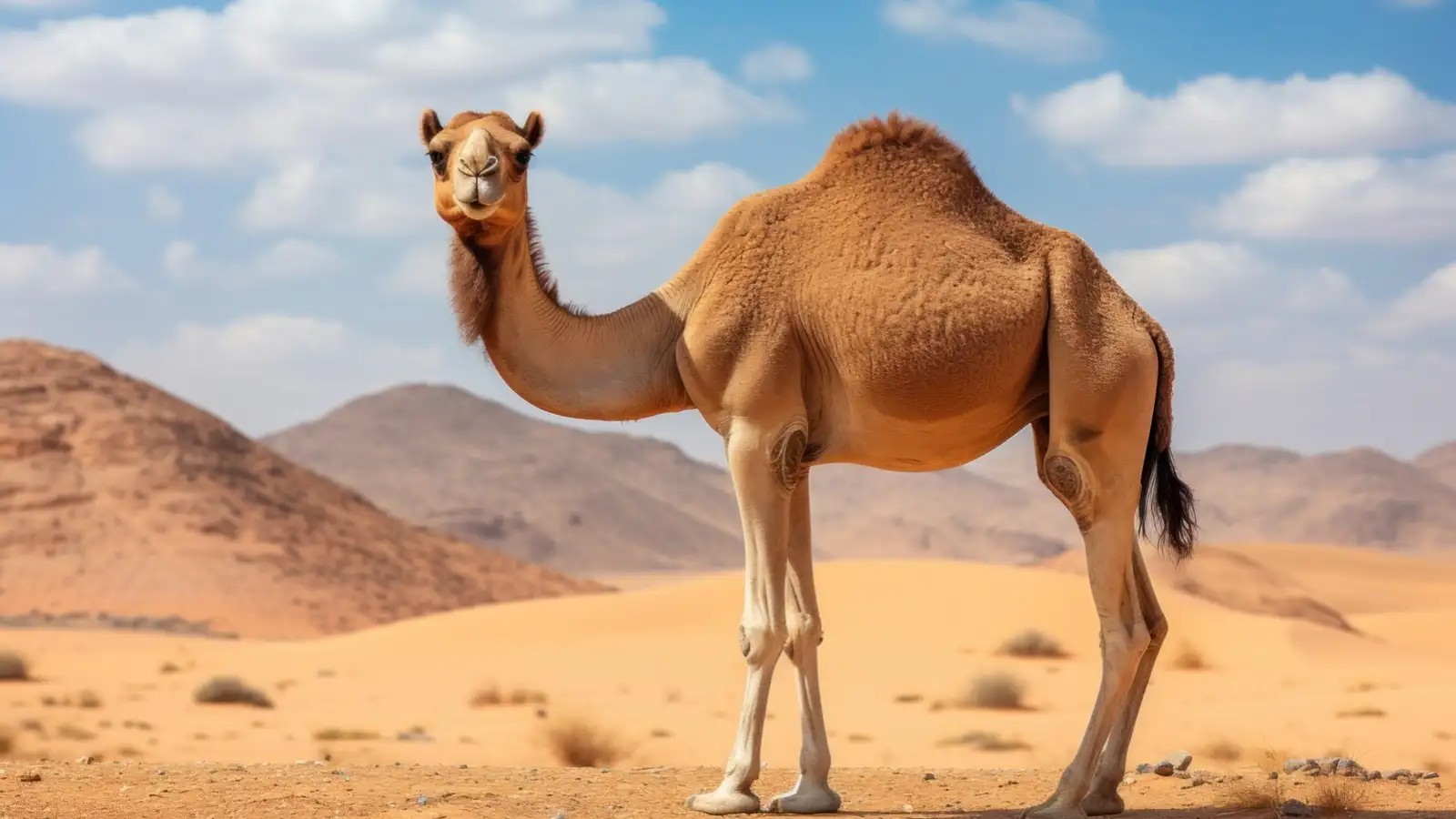
This is possible because the camel's red blood cells are oval rather than round, a shape that allows them to keep moving through thickened blood without clumping. The cells are also unusually elastic, expanding to absorb water rapidly when the animal finally drinks. A thirsty camel can drink over a hundred litres in roughly ten minutes without its cells bursting.
At night, when the desert cools sharply, the camel radiates that stored heat away without spending a drop of moisture. The range of temperature the camel tolerates in a single day would put most mammals into shock. Its thick coat, counterintuitively, also slows heat gain from the sun, reducing the need to sweat in the first place.
Together they form a system so efficient that researchers studying water conservation in arid regions and engineers designing long-range vehicles have both looked to the camel's physiology for ideas. The animal most associated with endurance turns out to be less about toughness and more about precision: a body that wastes almost nothing and bends where other bodies would break.
The Hump Is Not a Water Tank
The most persistent misunderstanding about camels is the one children are taught first. The hump stores fat, not water. A healthy camel's hump can hold several kilograms of fat, and that fat serves as a concentrated energy reserve. When food is scarce, the hump shrinks and tilts to one side as the fat is metabolised. When the camel feeds and rests, the hump firms up again. Fat does release a small amount of water as a byproduct of metabolism, but this contribution to hydration is modest. The hump's real value is caloric, not aqueous.Blood That Stays Fluid Under Extreme Dehydration
In most mammals, losing around fifteen percent of body weight in water causes the blood to thicken dangerously. Thick blood strains the heart, slows circulation, and brings on organ failure. A camel can lose up to a quarter of its body weight in water and keep functioning.This is possible because the camel's red blood cells are oval rather than round, a shape that allows them to keep moving through thickened blood without clumping. The cells are also unusually elastic, expanding to absorb water rapidly when the animal finally drinks. A thirsty camel can drink over a hundred litres in roughly ten minutes without its cells bursting.
A Body That Treats Heat as a Resource
Most warm-blooded animals sweat continuously to hold their core temperature steady. Sweating costs water. The camel takes a different approach: it allows its body temperature to rise during the day, storing heat in its body mass the way a clay pot stores warmth.At night, when the desert cools sharply, the camel radiates that stored heat away without spending a drop of moisture. The range of temperature the camel tolerates in a single day would put most mammals into shock. Its thick coat, counterintuitively, also slows heat gain from the sun, reducing the need to sweat in the first place.
Kidneys and Nostrils Designed to Waste Nothing
The camel's kidneys produce urine that is highly concentrated, extracting the maximum waste with the minimum water. Its nasal passages are shaped to recapture moisture from exhaled breath before it leaves the body, the air cools as it passes back through the nasal cavity, condensing water vapour that is then reabsorbed rather than breathed out into the desert air. Every breath, every excretion, is calibrated to keep water inside the animal as long as possible.What This Means Beyond the Desert
These adaptations did not evolve all at once. Each one solved a specific problem that desert life presented over millions of years. Oval blood cells, variable body temperature, water-recapturing nostrils, concentrated kidneys, none of these features works in isolation.Together they form a system so efficient that researchers studying water conservation in arid regions and engineers designing long-range vehicles have both looked to the camel's physiology for ideas. The animal most associated with endurance turns out to be less about toughness and more about precision: a body that wastes almost nothing and bends where other bodies would break.
Next Story