
Why Koreans Traditionally Buried Kimchi Jars Underground

Every autumn, across the Korean peninsula, families would lower heavy ceramic jars into pits dug beside their homes. The jars held kimchi, salted, spiced, fermented vegetables, and the earth would hold the jars until spring. The practice is called kimjang, and UNESCO recognised it as intangible cultural heritage not just for the food but for the communal labour and knowledge it carried. Understanding why the ground was chosen tells you something precise about fermentation, soil, and the ingenuity of a cold-climate food culture.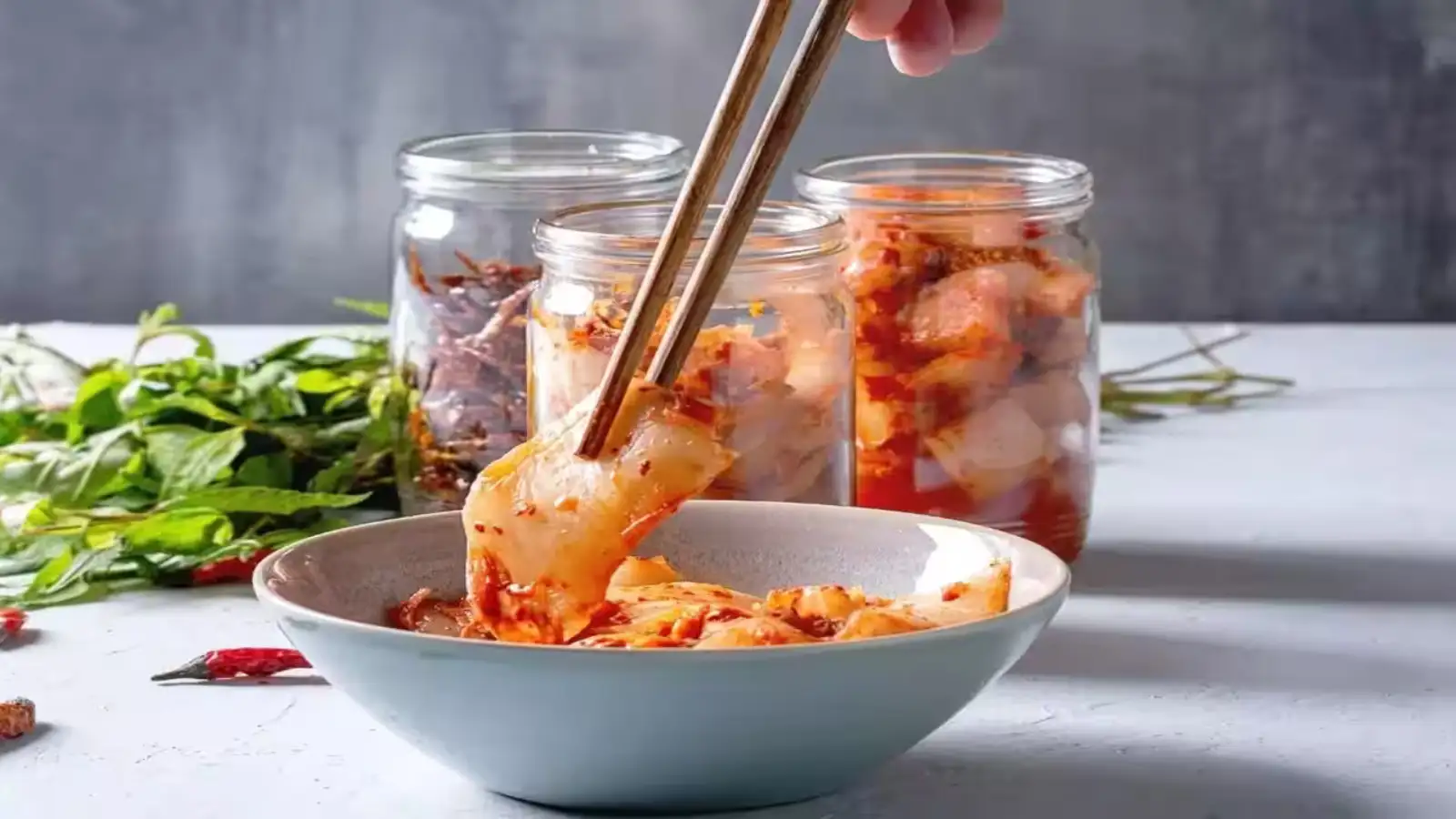
Onggi are fired at lower temperatures than most ceramics, leaving microscopic pores in the clay. Those pores allow a slow exchange of gases, carbon dioxide out, a trace of oxygen in, without letting liquid escape. The jar breathes just enough. Buried in earth that holds steady heat, surrounded by an insulating layer of soil, the kimchi ferments at a pace that produces flavour compounds that faster fermentation never develops.
In milder southern regions, jars were sometimes left partially above ground with earthen mounding around them. The architecture acknowledged fermentation as a structural requirement of the household, the same way a chimney acknowledges fire. Families judged the quality of a home partly by the quality of its kimchi storage.
Families with surplus shared with those who had less. The knowledge of how to salt, season, and pack kimchi correctly passed between women across generations, adjusted for each household's taste and each region's climate. The buried jar was the endpoint of a social process, not just a culinary one. UNESCO's recognition of kimjang in 2013 cited this community structure explicitly, the food preservation method and the human network it required were inseparable.
The porous clay continues its slow gas exchange. The shape of the jar, wide at the base and narrowing at the neck, creates a pressure gradient as fermentation gases accumulate. These are not romantic preferences. They are measurable differences in microbial activity and flavour compound development that researchers studying Korean fermentation have documented. The ground is gone from most Korean kitchens. The jar, and the knowledge of what it does, has not left.
The Temperature Problem Fermentation Cannot Ignore
Fermentation is driven by bacteria, and bacteria are sensitive to heat. At warm temperatures, the lactic acid bacteria in kimchi work quickly, too quickly. The kimchi turns sour and soft within days. At freezing temperatures, fermentation stops entirely and the vegetables lose their texture when thawed. The window between these two extremes, roughly 0 to 4 degrees Celsius, is where kimchi develops its characteristic depth: slow, controlled, complex. A Korean winter above ground swings between those extremes constantly. Underground, it does not.What the Earth Actually Does
Soil is a thermal buffer. The top layer tracks the air temperature closely, but a metre or more down, the ground holds a stable temperature that reflects the annual average rather than the daily or weekly swing. In the central and northern parts of the Korean peninsula, that stable underground temperature sits near the ideal fermentation range through winter. The ceramic jars, called onggi, are themselves part of the system.Onggi are fired at lower temperatures than most ceramics, leaving microscopic pores in the clay. Those pores allow a slow exchange of gases, carbon dioxide out, a trace of oxygen in, without letting liquid escape. The jar breathes just enough. Buried in earth that holds steady heat, surrounded by an insulating layer of soil, the kimchi ferments at a pace that produces flavour compounds that faster fermentation never develops.
How the Practice Shaped Korean Homes
The burying of kimchi jars was not an afterthought. It shaped where Korean houses were built and how their grounds were arranged. Traditional Korean homes, hanok, were typically oriented with a dedicated outdoor area called the jangdokdae, a raised stone platform or a prepared yard section where the jars stood or were partially buried. In colder northern regions, pits were dug deeper and the jars buried fully.In milder southern regions, jars were sometimes left partially above ground with earthen mounding around them. The architecture acknowledged fermentation as a structural requirement of the household, the same way a chimney acknowledges fire. Families judged the quality of a home partly by the quality of its kimchi storage.
The Communal Dimension of Kimjang
The scale of kimjang, the autumn kimchi-making season, made it a collective event by necessity. A single household might prepare hundreds of heads of napa cabbage in a single day, enough to fill several large onggi jars for the months ahead. Neighbours worked together, sharing labour and ingredients.Families with surplus shared with those who had less. The knowledge of how to salt, season, and pack kimchi correctly passed between women across generations, adjusted for each household's taste and each region's climate. The buried jar was the endpoint of a social process, not just a culinary one. UNESCO's recognition of kimjang in 2013 cited this community structure explicitly, the food preservation method and the human network it required were inseparable.
What Refrigerators Changed and What They Did Not
Modern Korean households use dedicated kimchi refrigerators, appliances engineered specifically to maintain the narrow temperature range that buried jars once provided. The technology is precise in ways a soil pit cannot be. Yet Korean food scientists and home cooks consistently note that kimchi aged in onggi jars, even onggi stored in modern refrigerators, develops differently from kimchi held in plastic or steel containers.The porous clay continues its slow gas exchange. The shape of the jar, wide at the base and narrowing at the neck, creates a pressure gradient as fermentation gases accumulate. These are not romantic preferences. They are measurable differences in microbial activity and flavour compound development that researchers studying Korean fermentation have documented. The ground is gone from most Korean kitchens. The jar, and the knowledge of what it does, has not left.