
Could Earth Survive Without the Moon? Science Has an Unexpected Answer

The Moon has accompanied Earth for billions of years, becoming such a familiar part of the night sky that it is easy to overlook its importance. Yet this seemingly quiet companion plays a profound role in shaping life on our planet. It influences ocean tides, helps stabilise Earth's rotation and has affected the evolution of countless species. Imagining a world without the Moon raises one of the most fascinating questions in planetary science: could Earth survive without it?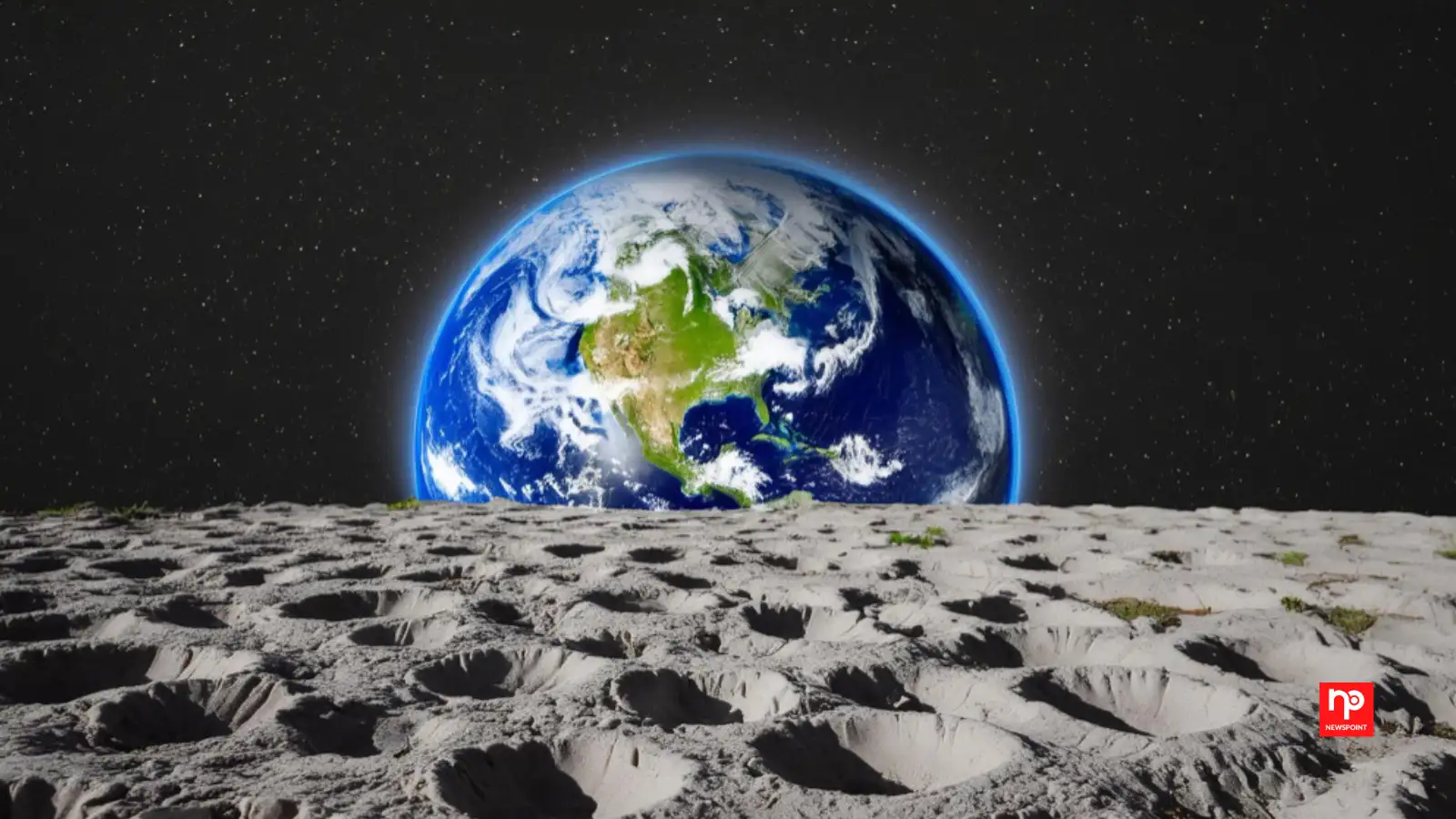
Many coastal ecosystems depend on tidal cycles. A dramatic reduction could reshape marine habitats around the world.
Scientists believe that without the Moon, Earth's tilt could vary far more dramatically over long periods. This could lead to significant climate shifts and more extreme environmental changes.
Sea turtles, corals and numerous marine organisms are among the creatures influenced by moonlight and tidal patterns.
Without it, nights would be considerably darker, changing everything from ancient navigation practices to modern astronomy.
Earth could survive without the Moon, but it would not be the same world. The Moon quietly influences oceans, climate, ecosystems and even human history. Its presence reminds us that planetary systems are deeply interconnected. Sometimes the most important forces shaping life are the ones we rarely stop to notice.
The Moon's Influence on Tides
The Moon's gravity drives most of Earth's tides. Without it, tides would still exist because of the Sun's gravitational pull, but they would be far weaker.Many coastal ecosystems depend on tidal cycles. A dramatic reduction could reshape marine habitats around the world.
Earth's Axial Stability
One of the Moon's most important roles is helping stabilise Earth's axial tilt.Scientists believe that without the Moon, Earth's tilt could vary far more dramatically over long periods. This could lead to significant climate shifts and more extreme environmental changes.
You may also like
- Love treasure hunts? A €20,000 gold-bar awaits you in Finland
- Trump appeals court ruling on $166B tariff refunds
- Quote of the day by Queen Elizabeth: “We may hold different points of view, but it is in times of stress and difficulty that…”
- US pilot shot down twice during Iran war
- A businessman rewrote his speech to sixth graders and promised them college if they kept going
Effects on Wildlife
Many species rely on lunar cycles for navigation, breeding and feeding behaviour.Sea turtles, corals and numerous marine organisms are among the creatures influenced by moonlight and tidal patterns.
A Different Night Sky
The Moon has shaped human culture, calendars and scientific understanding for thousands of years.Without it, nights would be considerably darker, changing everything from ancient navigation practices to modern astronomy.
Could Life Continue?
Earth would not suddenly become uninhabitable if the Moon disappeared. Life would continue, but the planet's long-term environmental stability could be very different. Over millions of years, changing climate patterns and altered ecosystems might significantly reshape life on Earth.Earth could survive without the Moon, but it would not be the same world. The Moon quietly influences oceans, climate, ecosystems and even human history. Its presence reminds us that planetary systems are deeply interconnected. Sometimes the most important forces shaping life are the ones we rarely stop to notice.






More from our partners


Loving Newspoint? Download the app now
