
Why a Village in Norway Called Hell Freezes Over Every Winter

A small station village in Trøndelag county, central Norway, sits quietly through most of the year. Tourists stop to photograph its train station sign. Locals shrug. The village is called Hell, and every January, without fail, the fjords and fields around it lock under ice.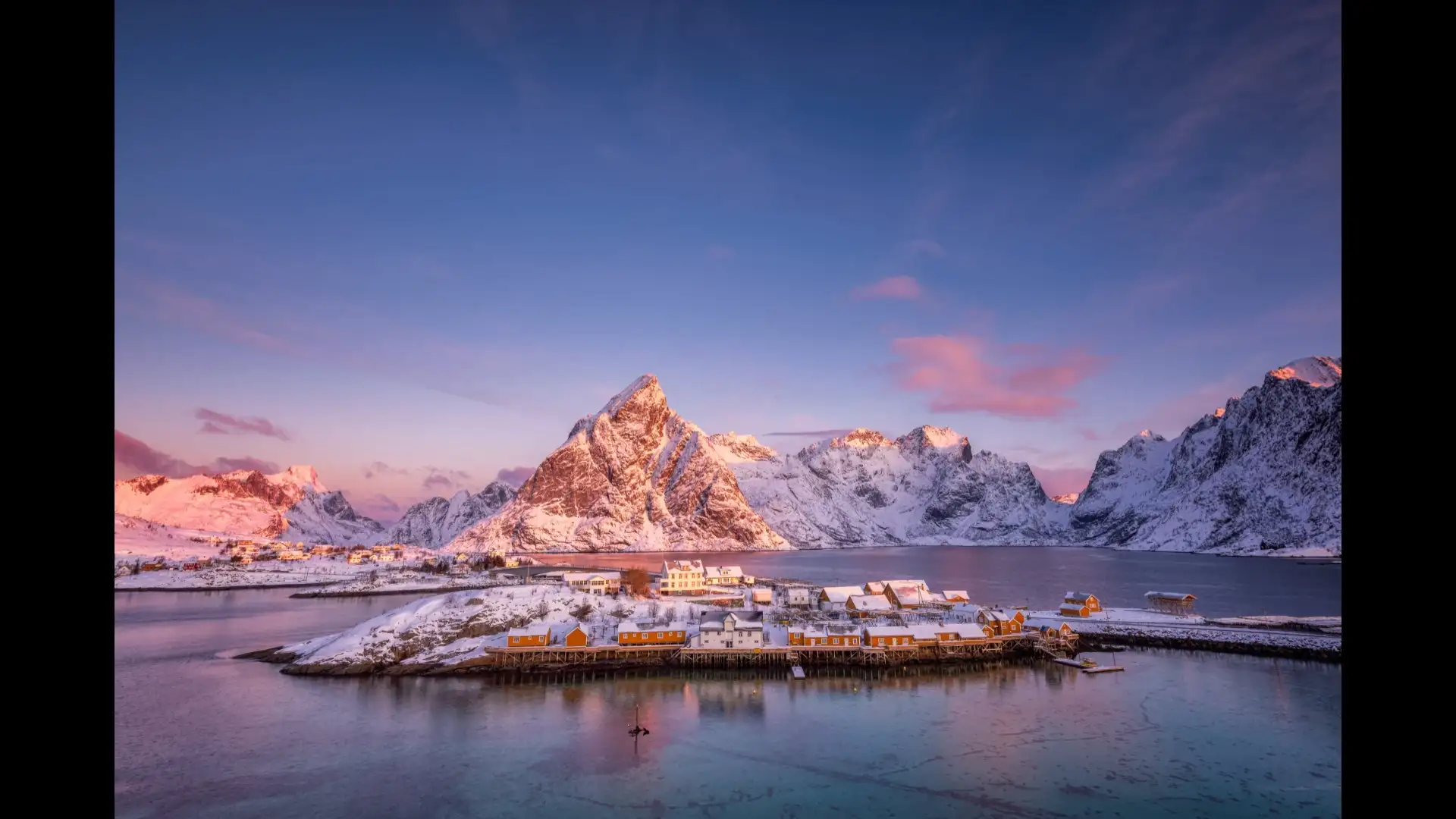
Place names across Scandinavia carry this root, and most of them attract no attention at all. Hell in Trøndelag simply kept the old spelling while the language around it moved on. The religious connotation came later, borrowed into English from an entirely different tradition. The village predates that borrowing by centuries.
The surrounding fields go white for months. By any meteorological measure, Hell does freeze over, not as a miracle or a metaphor, but as a routine consequence of latitude and season. The joke writes itself, and Norwegians have long since made peace with the fact that the rest of the world finds it funnier than they do.
The station sits on the Meråker Line, which connects Trondheim to the Swedish border. Freight trains carrying ore from Swedish mines passed through Hell for much of the twentieth century. The station is still operational. Passengers on regional trains between Trondheim and Stjørdal pass through it several times a day, largely without ceremony.
The locals' attitude toward the attention is best described as tolerant amusement. They did not name the place. They did not ask for the joke. They simply live in a valley where winters are cold and the old Norse word for a hillside hollow happened to sound, in English, like something else entirely.
The Norwegian Hell is the quietest of the three, and arguably the most geographically honest: it is the only one where freezing is a meteorological fact rather than a marketing device.
The name Hell is a fossil of a language that no longer speaks it that way. The freeze is a fact of latitude. That the two happen to coincide in one small Norwegian valley is the kind of accident geography occasionally produces, a joke told by no one, landing every winter on schedule.
Where the Name Comes From
Hell's name has nothing to do with fire or damnation. In Old Norse, the word 'hell' or 'hellir' meant an overhang, a cave, or a sheltered hollow in a hillside, the kind of natural shelter farmers and travellers once used.Place names across Scandinavia carry this root, and most of them attract no attention at all. Hell in Trøndelag simply kept the old spelling while the language around it moved on. The religious connotation came later, borrowed into English from an entirely different tradition. The village predates that borrowing by centuries.
What the Climate Actually Does There
Trøndelag sits well above the 60th parallel. Its winters are long, reliable, and genuinely cold. The region experiences a humid continental climate with heavy snowfall from November through March. The Stjørdal river, which runs near the village, regularly freezes.The surrounding fields go white for months. By any meteorological measure, Hell does freeze over, not as a miracle or a metaphor, but as a routine consequence of latitude and season. The joke writes itself, and Norwegians have long since made peace with the fact that the rest of the world finds it funnier than they do.
You may also like
- Iran rebuilding missile sites, moving military infrastructure underground to evade strikes
- Kiren Rijiju visits historic Al Rahmah Mosque in Saudi Arabia
- Republicans spent more, Democrats won more: Inside the costliest US midterm battle
- Venezuelan national arrested near White House with three firearms; says voices told him 'to kill Trump'
- 'Gave her everything but weapon': Man sues OpenAI, claims ChatGPT aided wife in murder plot
The Train Station That Made Hell Famous
Hell's railway station, opened in 1902, is the reason the village became a minor international curiosity. The station sign, white letters on a dark board, spelling H-E-L-L, became one of the most photographed signs in Norway once air travel and later the internet brought foreign visitors in numbers.The station sits on the Meråker Line, which connects Trondheim to the Swedish border. Freight trains carrying ore from Swedish mines passed through Hell for much of the twentieth century. The station is still operational. Passengers on regional trains between Trondheim and Stjørdal pass through it several times a day, largely without ceremony.
How a Village Carries a Joke With Dignity
The residents of Hell number in the hundreds. The municipality it belongs to, Stjørdal, is a working town of around thirty thousand people, known more for its airport, Trondheim Airport, Værnes, than for its famous neighbour. Hell itself has a hotel, a music festival called Hell Blues Festival that has drawn international acts, and a modest trade in souvenirs built entirely around the name.The locals' attitude toward the attention is best described as tolerant amusement. They did not name the place. They did not ask for the joke. They simply live in a valley where winters are cold and the old Norse word for a hillside hollow happened to sound, in English, like something else entirely.
Other Places That Share the Name
Hell is not unique in carrying this name. There is a Hell in Michigan, United States, which leans much harder into the branding, it sells 'deed to one square inch of Hell' to tourists and holds a tongue-in-cheek freezing ceremony each winter. There is a Hell in the Cayman Islands, a formation of jagged black limestone that earned its name from a British colonial official who reportedly exclaimed the word on seeing it.The Norwegian Hell is the quietest of the three, and arguably the most geographically honest: it is the only one where freezing is a meteorological fact rather than a marketing device.
The name Hell is a fossil of a language that no longer speaks it that way. The freeze is a fact of latitude. That the two happen to coincide in one small Norwegian valley is the kind of accident geography occasionally produces, a joke told by no one, landing every winter on schedule.






Loving Newspoint? Download the app now
