
Why the Leaning Tower of Pisa Leans but Doesn't Fall

The Leaning Tower of Pisa was never meant to tilt. Construction began in 1173 on the western edge of the Campo dei Miracoli, but within a decade, the structure had started sinking on one side. Builders paused and resumed work several times as the tower continued to lean. Yet, despite its unstable foundation and noticeable tilt, the famous Italian landmark never collapsed. Surprisingly, the same soft ground responsible for its unusual lean also played a role in keeping it standing.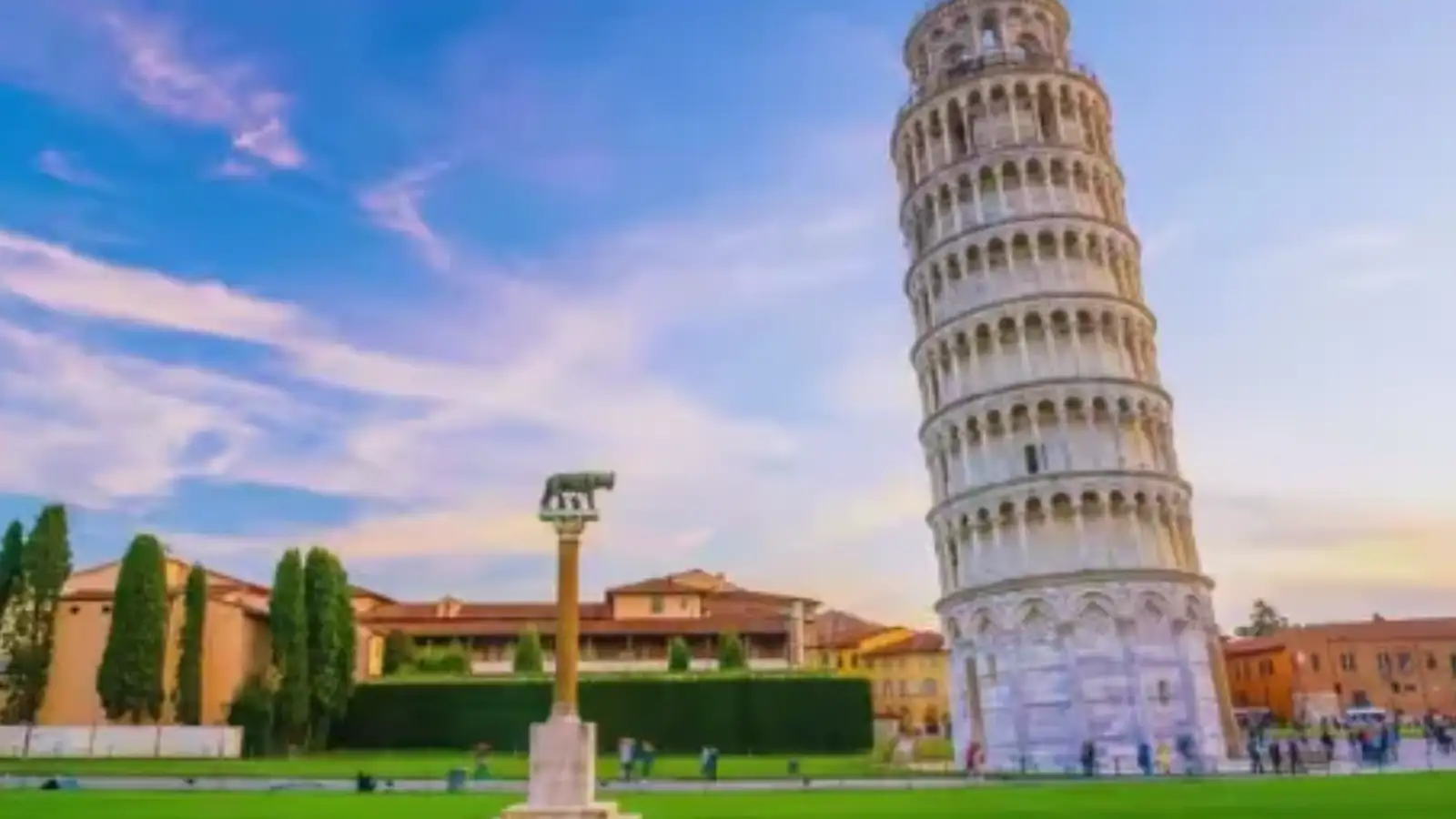
This uneven compression is called differential settlement. It is the same process that causes old buildings across river deltas and coastal plains to crack or sink at odd angles. Pisa's tower experienced it at a scale that made it famous rather than forgotten.
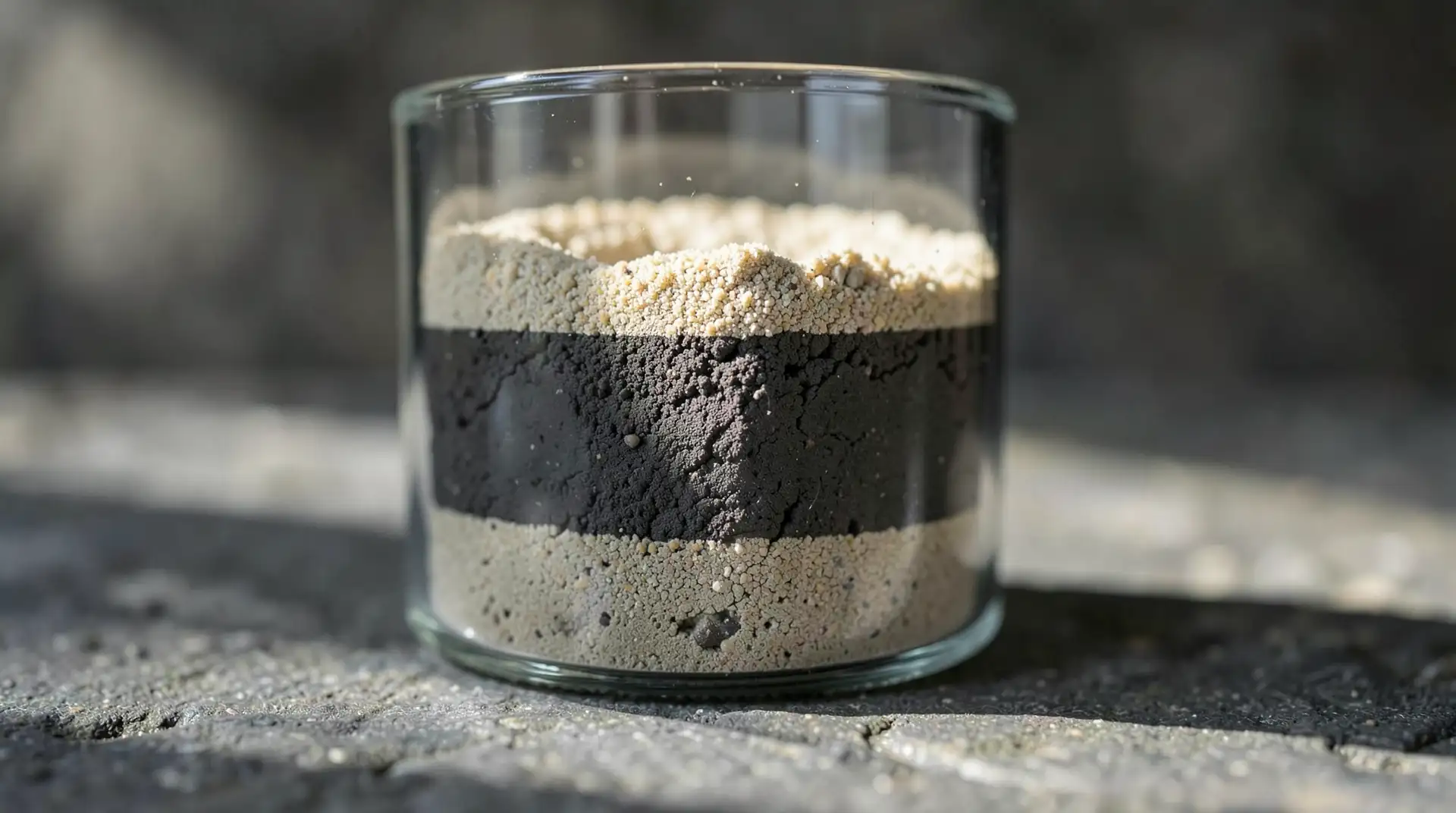
The soil itself adds a counterintuitive layer of protection. The clay on the southern side, compressed and dense after centuries of bearing weight, became stiffer over time. Stiff soil resists further movement. The tower leaned, the soil hardened under the lean, and a kind of equilibrium formed. Engineers call this consolidation: clay under sustained pressure loses water slowly and gains strength.
There is also the matter of the tower's slight curve. Builders noticed the lean during construction and compensated by making upper storeys slightly taller on the southern side. This gave the tower a gentle banana shape when viewed from the side. That curve shifted the centre of gravity back toward the foundation, buying the structure additional stability it would not have had if built perfectly straight.
Their solution was counterintuitive: they removed soil from the northern side. By extracting small amounts of earth from beneath the foundation's higher edge, they allowed that side to sink slightly, pulling the tower back toward vertical by about half a degree. They did not straighten it, a straight tower would have been a different monument, but they pulled it back from the edge of failure. Steel cables were attached temporarily to prevent any sudden movement during the work.
The result was a tower that now leans at roughly four degrees, a position engineers consider stable for the foreseeable future. Monitoring equipment embedded in the foundation tracks movement continuously.

Soil mechanics as a formal discipline did not exist when the tower was built. The builders were working by observation and instinct, correcting as they went. That the corrections worked, imperfectly, visibly, but well enough, is what makes the tower worth understanding rather than merely photographing.
The Ground Beneath the Marble
Pisa sits on alluvial soil deposited over millennia by the Arno and other rivers. The layer directly under the tower is a mix of clay, fine sand, and silt, materials that compress unevenly under weight. The southern side of the tower's foundation sat on slightly softer ground than the northern side. As each new storey was added, the southern soil compressed more, and the tower tilted further in that direction.This uneven compression is called differential settlement. It is the same process that causes old buildings across river deltas and coastal plains to crack or sink at odd angles. Pisa's tower experienced it at a scale that made it famous rather than forgotten.
Why The Leaning Tower of Pisa Doesn't Topple
A leaning structure falls when its centre of gravity moves outside the boundary of its base. Imagine balancing a book on its spine and tilting it: at some angle, the book's weight no longer sits above the spine and it falls. The Leaning Tower's centre of gravity, despite the lean, still sits above its circular foundation. The geometry of the tower, wide, low, and heavy, gives it a generous margin.The soil itself adds a counterintuitive layer of protection. The clay on the southern side, compressed and dense after centuries of bearing weight, became stiffer over time. Stiff soil resists further movement. The tower leaned, the soil hardened under the lean, and a kind of equilibrium formed. Engineers call this consolidation: clay under sustained pressure loses water slowly and gains strength.
There is also the matter of the tower's slight curve. Builders noticed the lean during construction and compensated by making upper storeys slightly taller on the southern side. This gave the tower a gentle banana shape when viewed from the side. That curve shifted the centre of gravity back toward the foundation, buying the structure additional stability it would not have had if built perfectly straight.
Eight Centuries of Slow Crisis
The lean was not constant. It crept. By the late twentieth century the tower had tilted to roughly five and a half degrees from vertical, and engineers calculated it was approaching the angle at which the soil would no longer hold. In 1990 the tower was closed to visitors. A committee of engineers, soil scientists, and architects spent the next decade studying it.Their solution was counterintuitive: they removed soil from the northern side. By extracting small amounts of earth from beneath the foundation's higher edge, they allowed that side to sink slightly, pulling the tower back toward vertical by about half a degree. They did not straighten it, a straight tower would have been a different monument, but they pulled it back from the edge of failure. Steel cables were attached temporarily to prevent any sudden movement during the work.
The result was a tower that now leans at roughly four degrees, a position engineers consider stable for the foreseeable future. Monitoring equipment embedded in the foundation tracks movement continuously.
What the Leaning Tower of Pisa Actually Teaches
The Leaning Tower of Pisa is often treated as an accident that became an attraction. The more interesting reading is that it is a demonstration of how soil, weight, geometry, and time interact in ways that are neither random nor simple. The same clay that caused the problem absorbed and distributed the load over centuries in a way that a rigid foundation on hard rock might not have. The lean itself, by curving the tower's spine, created a structural compensation that no architect planned.Soil mechanics as a formal discipline did not exist when the tower was built. The builders were working by observation and instinct, correcting as they went. That the corrections worked, imperfectly, visibly, but well enough, is what makes the tower worth understanding rather than merely photographing.