
Why Trump Revoked Harvard’s SEVP Status: What It Means for International Students

The Trump administration has intensified its immigration crackdown by revoking Harvard University's certification to enroll international students, a move that has sparked legal challenges and widespread concern within the academic community.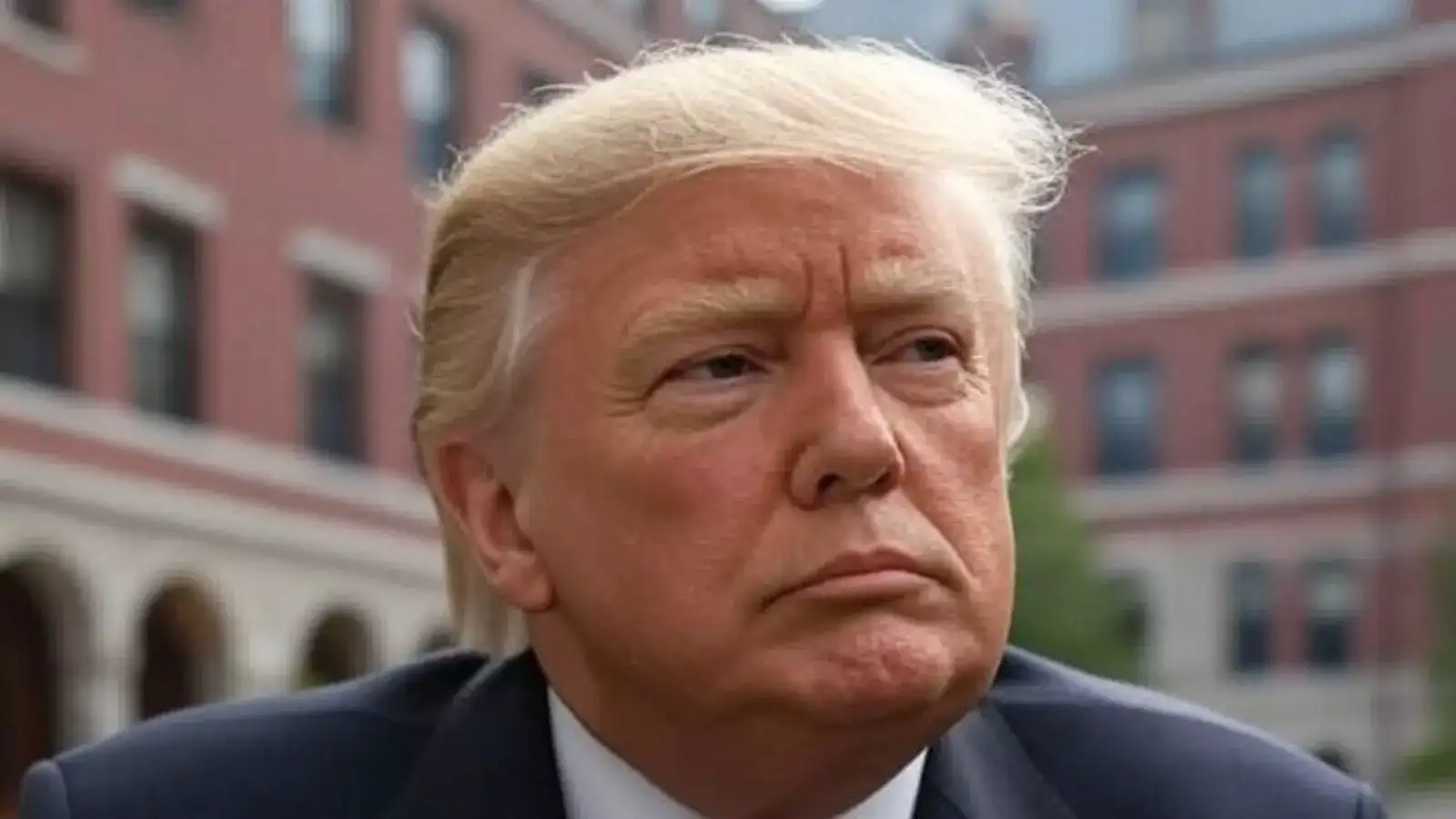
Revocation of Certification
On May 22, 2025, the Department of Homeland Security (DHS), under Secretary Kristi Noem, announced the revocation of Harvard's certification under the Student and Exchange Visitor Program (SEVP). This action effectively bars the university from enrolling new international students and jeopardizes the status of approximately 7,000 current foreign students .
The administration cited Harvard's alleged failure to adequately address antisemitism on campus and purported coordination with foreign entities as reasons for the revocation. However, critics argue that the move is politically motivated, targeting institutions perceived as opposing the administration's policies .
Legal Response and Judicial Intervention
In response, Harvard filed a lawsuit challenging the DHS decision, asserting that the revocation violates constitutional rights and procedural laws. The university contends that the action is retaliatory, stemming from its refusal to comply with federal demands for student information.
U.S. District Judge Allison Burroughs intervened by extending a temporary restraining order, preventing the immediate enforcement of the revocation. The judge emphasized the potential harm to students and the university's operations, allowing time for legal proceedings to unfold .
Broader Implications for International Students
This development is part of a broader pattern of restrictive measures affecting international students. The Trump administration has paused all new student visa interviews and is considering enhanced social media vetting for applicants. These actions have led to increased anxiety among foreign students and have raised concerns about the U.S.'s commitment to academic openness .
Furthermore, the administration's policies have disproportionately impacted students from countries like China and India. Reports indicate that Indian students are facing heightened scrutiny, with some being deported for minor infractions, leading to fears of a chilling effect on international enrollment .
The revocation of Harvard's certification to enroll international students marks a significant escalation in the Trump administration's immigration enforcement efforts. As legal battles continue, the situation underscores the tension between national security concerns and the values of academic freedom and international collaboration. The outcome of this case may set a precedent for how U.S. institutions navigate the complex landscape of immigration policy and higher education.
Revocation of Certification
On May 22, 2025, the Department of Homeland Security (DHS), under Secretary Kristi Noem, announced the revocation of Harvard's certification under the Student and Exchange Visitor Program (SEVP). This action effectively bars the university from enrolling new international students and jeopardizes the status of approximately 7,000 current foreign students .
The administration cited Harvard's alleged failure to adequately address antisemitism on campus and purported coordination with foreign entities as reasons for the revocation. However, critics argue that the move is politically motivated, targeting institutions perceived as opposing the administration's policies .
Legal Response and Judicial Intervention
You may also like
- Washington chemical tank accident: Death toll rises to 11 after missing workers found
- 'Close to a very good deal': Trump says Iran has agreed to no nuclear weapons
- Israel captures strategic Lebanon castle after days of fighting despite ceasefire
- In first address as CDS, Gen NS Raja Subramani vows modernisation and innovation
- Look: Hundreds arrested as violent clashes erupt in Paris on PSG victory night
In response, Harvard filed a lawsuit challenging the DHS decision, asserting that the revocation violates constitutional rights and procedural laws. The university contends that the action is retaliatory, stemming from its refusal to comply with federal demands for student information.
U.S. District Judge Allison Burroughs intervened by extending a temporary restraining order, preventing the immediate enforcement of the revocation. The judge emphasized the potential harm to students and the university's operations, allowing time for legal proceedings to unfold .
Broader Implications for International Students
This development is part of a broader pattern of restrictive measures affecting international students. The Trump administration has paused all new student visa interviews and is considering enhanced social media vetting for applicants. These actions have led to increased anxiety among foreign students and have raised concerns about the U.S.'s commitment to academic openness .
Furthermore, the administration's policies have disproportionately impacted students from countries like China and India. Reports indicate that Indian students are facing heightened scrutiny, with some being deported for minor infractions, leading to fears of a chilling effect on international enrollment .
The revocation of Harvard's certification to enroll international students marks a significant escalation in the Trump administration's immigration enforcement efforts. As legal battles continue, the situation underscores the tension between national security concerns and the values of academic freedom and international collaboration. The outcome of this case may set a precedent for how U.S. institutions navigate the complex landscape of immigration policy and higher education.






More from our partners


Loving Newspoint? Download the app now
