
The Return of Wolves to Ecosystems: How One Predator Transformed Entire Landscapes

When wolves were reintroduced to Yellowstone National Park in the 1990s, scientists expected the wolves to hunt elk. What they did not expect was for the wolves to change the behavior of rivers, the shape of valleys, and the diversity of entire ecosystems. This phenomenon, called a trophic cascade , shows how predators shape landscapes in ways that ripple through every level of the food chain.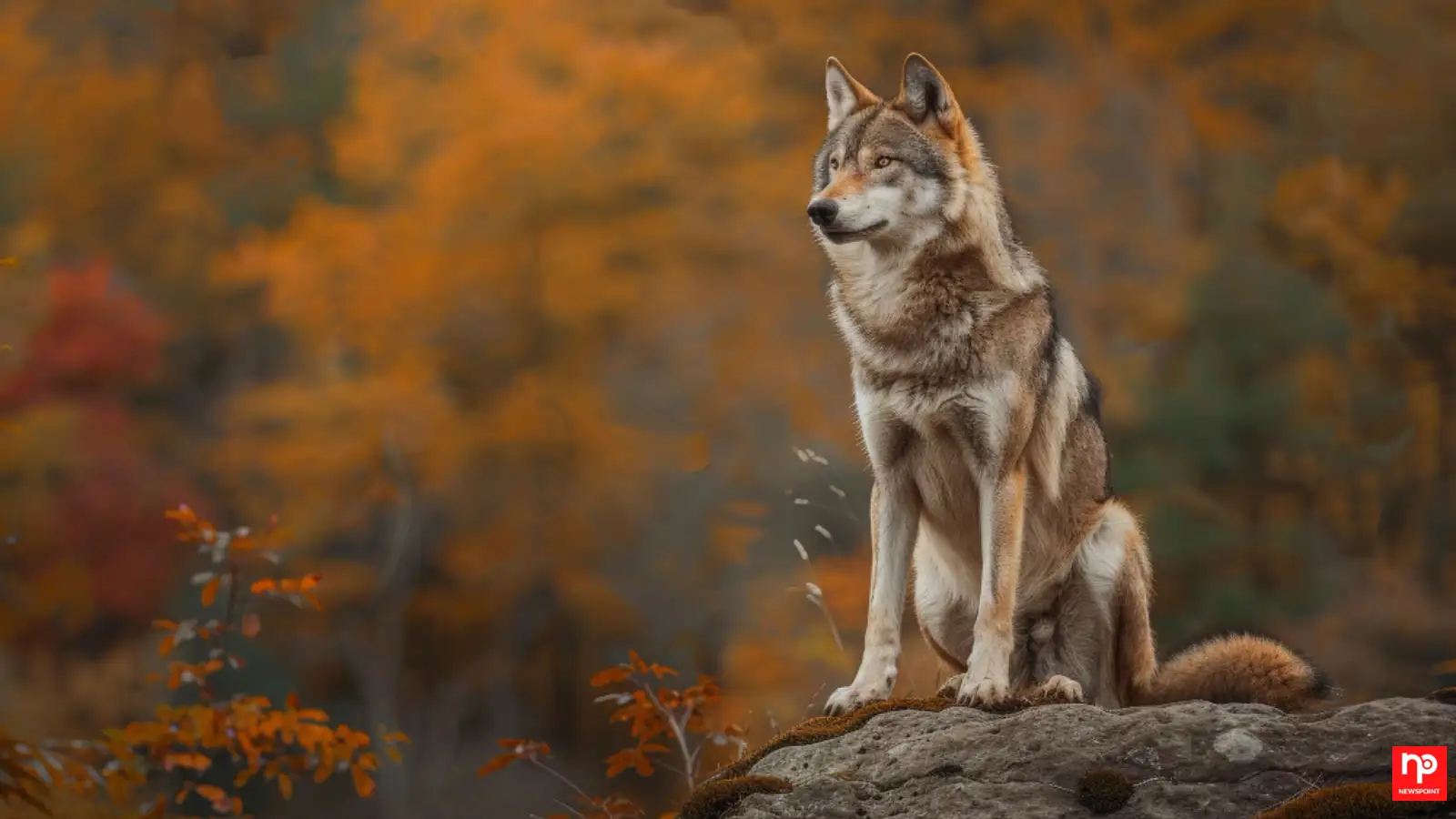
How Wolves Changed Elk Behavior and Saved the Forests
Before wolves returned, elk populations exploded because no predators kept them in check. The elk overgrazed young trees, especially willows and aspens, preventing forests from regenerating. Without trees, songbirds disappeared, beavers had no food or building materials, and stream banks eroded without root systems to hold soil.
Wolves changed elk behavior more than they changed elk numbers. Elk stopped lingering in valleys and gorges where they could be easily caught. They kept moving, giving vegetation time to recover. Young trees grew back, reaching heights elk could not reach. Forests returned to areas that had been grasslands for decades.
The Ripple Effects That Transformed the Entire Park
As trees returned, songbirds moved back to nest in the branches. Beavers returned because willows provided food and building material for dams. Beaver dams created wetlands that supported amphibians, fish, waterfowl, and insects. The wetlands also slowed water flow, reducing erosion and creating habitat for even more species.
Raven populations increased because they scavenged wolf kills. Bears benefited from wolf kills and also from increased berry production in recovering vegetation. Coyote numbers decreased because wolves dominated them, which helped mice and rabbit populations increase. These small mammals became food for foxes, badgers, and raptors.
Even the rivers changed. With tree roots stabilizing banks, rivers meandered less and eroded less. The physical geography of the landscape transformed because of one predator's presence.
Why Predator Loss Is Destroying Ecosystems Worldwide
The Yellowstone story is not unique. Predators have been removed from ecosystems globally, and the consequences mirror what happened in Yellowstone before wolf reintroduction. Without predators, herbivore populations explode, overgrazing destroys vegetation, and entire food chains collapse.
Large predators face extinction faster than most other species because they need large territories and abundant prey. Human fear and misunderstanding have driven wolves, lions, tigers, and sharks to the brink in many regions. We eliminate predators because they conflict with human interests, not realizing they provide essential ecosystem services .
What Predator Conservation Means for You
Protecting predators means protecting entire ecosystems and the services they provide. Healthy ecosystems clean water, store carbon, prevent floods, and support biodiversity that medicines and foods come from. When we lose predators, we lose these benefits.
Support organizations working to protect large predators and their habitats. Understand that predators are not enemies of humans but essential components of healthy ecosystems. When predators are managed scientifically rather than eliminated, they coexist with human activities while maintaining ecosystem health.
The wolves of Yellowstone teach us that nature is interconnected in ways we are only beginning to understand. Protecting one species can preserve entire landscapes.
How Wolves Changed Elk Behavior and Saved the Forests
Before wolves returned, elk populations exploded because no predators kept them in check. The elk overgrazed young trees, especially willows and aspens, preventing forests from regenerating. Without trees, songbirds disappeared, beavers had no food or building materials, and stream banks eroded without root systems to hold soil. Wolves changed elk behavior more than they changed elk numbers. Elk stopped lingering in valleys and gorges where they could be easily caught. They kept moving, giving vegetation time to recover. Young trees grew back, reaching heights elk could not reach. Forests returned to areas that had been grasslands for decades.
The Ripple Effects That Transformed the Entire Park
As trees returned, songbirds moved back to nest in the branches. Beavers returned because willows provided food and building material for dams. Beaver dams created wetlands that supported amphibians, fish, waterfowl, and insects. The wetlands also slowed water flow, reducing erosion and creating habitat for even more species. Raven populations increased because they scavenged wolf kills. Bears benefited from wolf kills and also from increased berry production in recovering vegetation. Coyote numbers decreased because wolves dominated them, which helped mice and rabbit populations increase. These small mammals became food for foxes, badgers, and raptors.
You may also like
- Chinese firms control nearly 90 pc of Zimbabwe's lithium reserves: Report
- Pakistan hires US lobbying firm to advance strategic interests in Washington amid Iran war diplomacy push
- Traffic fine dropped after Florida cop accuses amputee of texting
- Labour reforms in Bangladesh's garment industry remain on papers amid lack of implementation
- A year after India broke Pakistan's aerial offensive during Op Sindoor, forces release Joint Air Defence Doctrine
Even the rivers changed. With tree roots stabilizing banks, rivers meandered less and eroded less. The physical geography of the landscape transformed because of one predator's presence.
Why Predator Loss Is Destroying Ecosystems Worldwide
The Yellowstone story is not unique. Predators have been removed from ecosystems globally, and the consequences mirror what happened in Yellowstone before wolf reintroduction. Without predators, herbivore populations explode, overgrazing destroys vegetation, and entire food chains collapse. Large predators face extinction faster than most other species because they need large territories and abundant prey. Human fear and misunderstanding have driven wolves, lions, tigers, and sharks to the brink in many regions. We eliminate predators because they conflict with human interests, not realizing they provide essential ecosystem services .
What Predator Conservation Means for You
Protecting predators means protecting entire ecosystems and the services they provide. Healthy ecosystems clean water, store carbon, prevent floods, and support biodiversity that medicines and foods come from. When we lose predators, we lose these benefits.Support organizations working to protect large predators and their habitats. Understand that predators are not enemies of humans but essential components of healthy ecosystems. When predators are managed scientifically rather than eliminated, they coexist with human activities while maintaining ecosystem health.
The wolves of Yellowstone teach us that nature is interconnected in ways we are only beginning to understand. Protecting one species can preserve entire landscapes.






More from our partners


Loving Newspoint? Download the app now
