Chewing Plastic to ‘Feel Full’: China’s Bizarre Diet Trend Sparks Safety Concerns

A bizarre weight-loss trend is going viral across Chinese short-video platforms like TikTok, where young users are seen chewing food with a layer of plastic wrap or a plastic bag over their mouths and then spitting it out rather than swallowing it. The fad is being shared widely in videos, with proponents claiming it tricks the brain into feeling full without consuming calories, a shortcut to weight control that many youth find appealing amid body image pressures online.
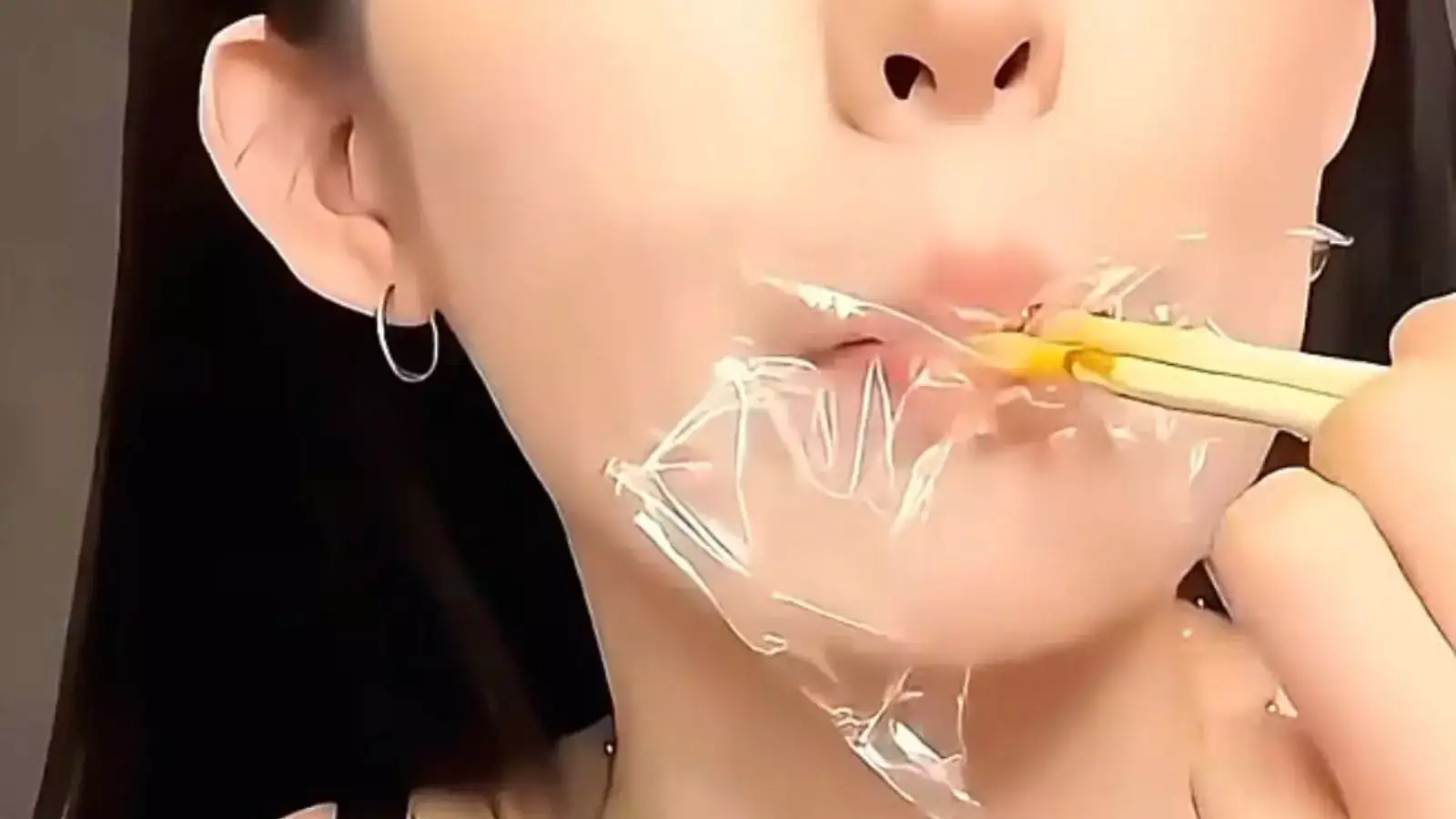
Dubbed the “plastic eating” or “cling wrap diet,” the trend has drawn attention not because of scientific backing, but due to its sheer strangeness and rapid spread. In clips circulating on social media, participants appear to simulate eating by placing food against plastic covering their lips, chewing briefly, and then removing and discarding everything, with the hope that the chewing action may suppress appetite.
However, health professionals and researchers emphasize that there is no evidence that this behaviour leads to meaningful weight loss. True satiety involves nutrients being digested and absorbed, not merely the act of chewing. Scientists also warn that plastic wrap can shed microplastics and harmful chemicals that could be ingested or inhaled, with potential long-term health consequences.
Experts highlight several risks linked to this trend, including choking hazards if plastic accidentally enters the throat, microplastic exposure that can irritate the digestive system and lungs, and interference with hormones due to chemicals like bisphenol A (BPA) present in some plastics. Beyond physical danger, mimicking eating without swallowing could encourage unhealthy attitudes towards food and potentially contribute to disordered eating patterns.
While social media often amplifies unusual diet hacks, the “plastic eating” trend reflects deeper concerns about body image and quick-fix weight loss culture. Nutrition specialists stress that safe and sustainable weight management involves balanced eating, regular physical activity, and professional guidance rather than unverified and risky online fads.
Dubbed the “plastic eating” or “cling wrap diet,” the trend has drawn attention not because of scientific backing, but due to its sheer strangeness and rapid spread. In clips circulating on social media, participants appear to simulate eating by placing food against plastic covering their lips, chewing briefly, and then removing and discarding everything, with the hope that the chewing action may suppress appetite.
However, health professionals and researchers emphasize that there is no evidence that this behaviour leads to meaningful weight loss. True satiety involves nutrients being digested and absorbed, not merely the act of chewing. Scientists also warn that plastic wrap can shed microplastics and harmful chemicals that could be ingested or inhaled, with potential long-term health consequences.
Experts highlight several risks linked to this trend, including choking hazards if plastic accidentally enters the throat, microplastic exposure that can irritate the digestive system and lungs, and interference with hormones due to chemicals like bisphenol A (BPA) present in some plastics. Beyond physical danger, mimicking eating without swallowing could encourage unhealthy attitudes towards food and potentially contribute to disordered eating patterns.
While social media often amplifies unusual diet hacks, the “plastic eating” trend reflects deeper concerns about body image and quick-fix weight loss culture. Nutrition specialists stress that safe and sustainable weight management involves balanced eating, regular physical activity, and professional guidance rather than unverified and risky online fads.
Next Story