
Why Does the Prime Minister Hoist the National Flag at Red Fort?

Every August 15, millions of Indians watch the Prime Minister arrive at the Red Fort, inspect the Guard of Honour, unfurl the national flag and address the nation from the historic monument.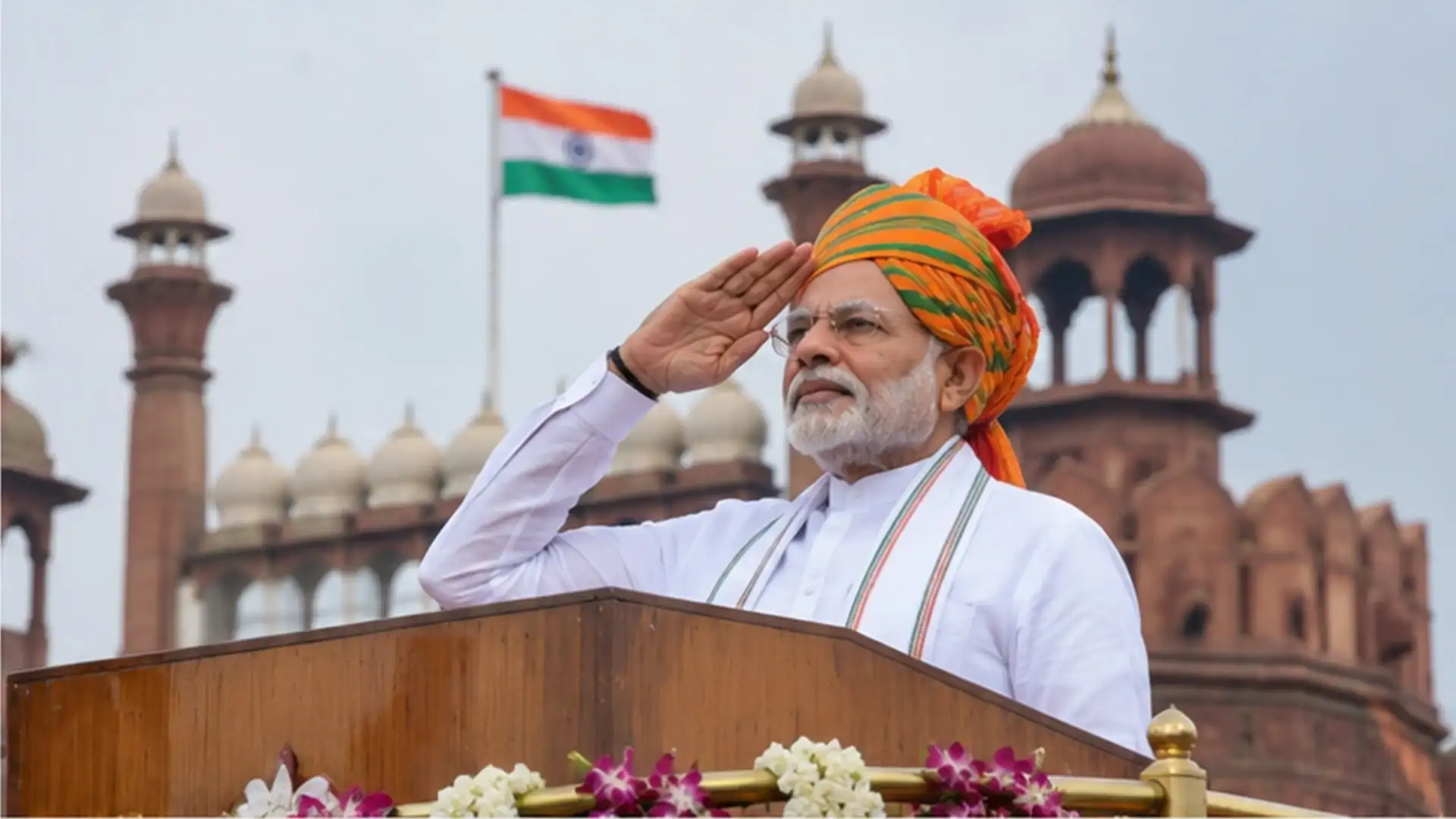
For many people, this has become an inseparable part of Independence Day . But why the Red Fort? Why does the Prime Minister perform the ceremony there? And is the tradition actually written into the Constitution?
The answer lies in history, symbolism and political convention.
The Red Fort was not simply chosen because it was a famous monument. Its association with political power, the Mughal era, the events of 1857, British rule and the later freedom struggle made it an exceptionally powerful location for independent India to announce its sovereignty.
There is no constitutional provision saying that the Prime Minister must hoist the national flag at the Red Fort every Independence Day.
The ceremony is a powerful national tradition that developed after independence. Over the decades, the Red Fort became the established location from which the Prime Minister addresses the nation on Independence Day.
The official Prime Minister's Office continues to describe the annual event as the Prime Minister's address from the ramparts of the Red Fort.
This distinction is important. The Red Fort ceremony is a constitutional and political tradition, rather than a specific constitutional requirement.
There is an important historical detail that is often overlooked. The Red Fort ceremony associated with Nehru's first address there took place on August 16, 1947, not August 15.
The Nehru Archive records his speech at the Red Fort on August 16, when he spoke about gathering at the ancient fort on a historic occasion.
Archival material from the Nehru Memorial Museum and Library also records the unfurling of the national flag by Nehru at the Red Fort on August 16.
Over time, the ceremony became fixed as the defining Independence Day event held at the monument.
Built during the Mughal period, it became one of the most recognisable symbols of imperial power in Delhi. For independent India, therefore, using the monument for a national ceremony carried a strong message.
The building that had once represented imperial authority could now become a backdrop for a democratic government speaking to its citizens.
The Ministry of Culture's Azadi Ka Amrit Mahotsav material describes the Red Fort as a symbol of power and notes its continued role in Independence Day celebrations.
Bahadur Shah Zafar, the last Mughal emperor, became a symbolic figure during the rebellion. After the British suppressed the uprising, the old political order associated with the Mughal emperor was effectively dismantled.
The British subsequently used the Red Fort for military purposes, including constructing barracks within the complex.
That history added another layer of meaning to the monument.
When independent India placed its own national ceremony there, the location represented a dramatic transformation from colonial military control to national sovereignty.
In his August 16, 1947 speech, Nehru specifically remembered Subhas Chandra Bose and the Indian National Army. He noted that Bose had raised India's flag abroad but did not live to see the day when the flag was raised at the Red Fort.
The Red Fort had also been used for the INA trials in the final years of British rule. Government material on freedom fighters records how the INA trials in Delhi inspired young nationalists.
This made the monument even more closely linked with the final phase of India's freedom struggle.
The Prime Minister is the head of the elected Union government. By addressing citizens from the ramparts of the Red Fort, the country's political leadership connects the functioning of today's government with the historical achievement of independence.
The location also makes the event visually and emotionally distinctive. The Tricolour rises above one of India's most recognisable monuments while the Prime Minister speaks about the country's achievements, challenges and future.
Modern Independence Day ceremonies continue this tradition. Official Prime Minister's Office records describe the annual address as taking place from the ramparts of the Red Fort.
Parliament represents India's legislative democracy. Rashtrapati Bhavan represents the office of the President and the constitutional head of state. The Red Fort, by contrast, connects directly with India's long historical struggle over political power and sovereignty.
The Independence Day ceremony therefore has a different purpose. It is not simply an official government function. It is a public remembrance of the country's transition from colonial rule to self-government.
The Red Fort was once associated with emperors and later occupied by colonial forces. Independent India transformed it into a stage from which an elected government speaks to its citizens.
That is why the Prime Minister's Independence Day address from the Red Fort is more than an annual speech. It is a reminder of how the meaning of political power changed in India.
For many people, this has become an inseparable part of Independence Day . But why the Red Fort? Why does the Prime Minister perform the ceremony there? And is the tradition actually written into the Constitution?
The answer lies in history, symbolism and political convention.
The Red Fort was not simply chosen because it was a famous monument. Its association with political power, the Mughal era, the events of 1857, British rule and the later freedom struggle made it an exceptionally powerful location for independent India to announce its sovereignty.
Is the Prime Minister Legally Required to Hoist the Flag at the Red Fort?
No.There is no constitutional provision saying that the Prime Minister must hoist the national flag at the Red Fort every Independence Day.
The ceremony is a powerful national tradition that developed after independence. Over the decades, the Red Fort became the established location from which the Prime Minister addresses the nation on Independence Day.
The official Prime Minister's Office continues to describe the annual event as the Prime Minister's address from the ramparts of the Red Fort.
This distinction is important. The Red Fort ceremony is a constitutional and political tradition, rather than a specific constitutional requirement.
How Did the Tradition Begin?
Jawaharlal Nehru established the association between the Red Fort and the new nation's independence in August 1947.There is an important historical detail that is often overlooked. The Red Fort ceremony associated with Nehru's first address there took place on August 16, 1947, not August 15.
The Nehru Archive records his speech at the Red Fort on August 16, when he spoke about gathering at the ancient fort on a historic occasion.
Archival material from the Nehru Memorial Museum and Library also records the unfurling of the national flag by Nehru at the Red Fort on August 16.
Over time, the ceremony became fixed as the defining Independence Day event held at the monument.
What Makes the Red Fort So Symbolic?
The Red Fort carries centuries of political history.Built during the Mughal period, it became one of the most recognisable symbols of imperial power in Delhi. For independent India, therefore, using the monument for a national ceremony carried a strong message.
The building that had once represented imperial authority could now become a backdrop for a democratic government speaking to its citizens.
The Ministry of Culture's Azadi Ka Amrit Mahotsav material describes the Red Fort as a symbol of power and notes its continued role in Independence Day celebrations.
The Connection With 1857
The Red Fort also has a direct connection with the 1857 uprising.Bahadur Shah Zafar, the last Mughal emperor, became a symbolic figure during the rebellion. After the British suppressed the uprising, the old political order associated with the Mughal emperor was effectively dismantled.
The British subsequently used the Red Fort for military purposes, including constructing barracks within the complex.
That history added another layer of meaning to the monument.
When independent India placed its own national ceremony there, the location represented a dramatic transformation from colonial military control to national sovereignty.
The Red Fort and Netaji Subhas Chandra Bose
The monument also became associated with the Indian National Army .In his August 16, 1947 speech, Nehru specifically remembered Subhas Chandra Bose and the Indian National Army. He noted that Bose had raised India's flag abroad but did not live to see the day when the flag was raised at the Red Fort.
The Red Fort had also been used for the INA trials in the final years of British rule. Government material on freedom fighters records how the INA trials in Delhi inspired young nationalists.
This made the monument even more closely linked with the final phase of India's freedom struggle.
Why Does the Prime Minister Address the Nation From There?
The ceremony combines three powerful ideas: history, sovereignty and democracy.The Prime Minister is the head of the elected Union government. By addressing citizens from the ramparts of the Red Fort, the country's political leadership connects the functioning of today's government with the historical achievement of independence.
The location also makes the event visually and emotionally distinctive. The Tricolour rises above one of India's most recognisable monuments while the Prime Minister speaks about the country's achievements, challenges and future.
Modern Independence Day ceremonies continue this tradition. Official Prime Minister's Office records describe the annual address as taking place from the ramparts of the Red Fort.
Why Not Parliament or Rashtrapati Bhavan?
The choice of the Red Fort reflects symbolism rather than administrative convenience.Parliament represents India's legislative democracy. Rashtrapati Bhavan represents the office of the President and the constitutional head of state. The Red Fort, by contrast, connects directly with India's long historical struggle over political power and sovereignty.
The Independence Day ceremony therefore has a different purpose. It is not simply an official government function. It is a public remembrance of the country's transition from colonial rule to self-government.
The Red Fort Tradition Is About More Than a Flag
Every year, the flag ceremony may look familiar, but its symbolism has remained remarkably powerful.The Red Fort was once associated with emperors and later occupied by colonial forces. Independent India transformed it into a stage from which an elected government speaks to its citizens.
That is why the Prime Minister's Independence Day address from the Red Fort is more than an annual speech. It is a reminder of how the meaning of political power changed in India.
Next Story